

Staring at a glowing device long after dark has become an automatic reflex for many of us. You promise yourself you will just check one more notification, and suddenly an hour has vanished, leaving your eyes strained and your mind wide awake. This constant digital tethering keeps our nervous system in a state of alert, making restful sleep feel entirely out of reach. Transitioning away from late-night scrolling requires more than sheer willpower; it demands a deliberate shift toward sensory habits that gently signal to your brain that the day is finally over. By establishing a reliable bedtime screen detox wind down routine, you can quiet mental chatter and prepare your body for deep, restorative rest.
Creating Your Bedtime Screen Detox Wind Down
When evening arrives, the goal is to replace the intense blue light and rapid-fire information of our phones with low-intensity tactile and auditory experiences. This physical shift helps lower everyday stress and supports natural relaxation patterns. If you are looking for more ways to unwind without spending money, you might find inspiration in A Shopping Free Relaxation Toolkit Using Household Items for Busy Evenings, which offers simple ideas using what you already own. Let us explore four practical rituals that help you step away from screens and welcome a peaceful night.
1. Swap Scrolling for Tactile Page Turning
The physical sensation of holding a heavy book provides a grounding anchor for an overactive mind. Unlike digital screens that demand our attention with flashing notifications, physical books invite us to slow down at our own pace. Choose fiction, poetry, or essays that do not require deep analytical thinking—stories that simply invite you into another world. As your fingers trace the paper edges and your eyes move slowly across the lines, your breathing naturally synchronizes with the quiet rhythm of reading. This simple habit creates a comforting boundary between the busyness of the day and the stillness of the night. Immersing yourself in the tactile experience of reading removes the temptation to check for updates, allowing your cognitive load to lighten progressively as the pages turn.
2. Cultivate Ambient Comfort with Sensory Cues
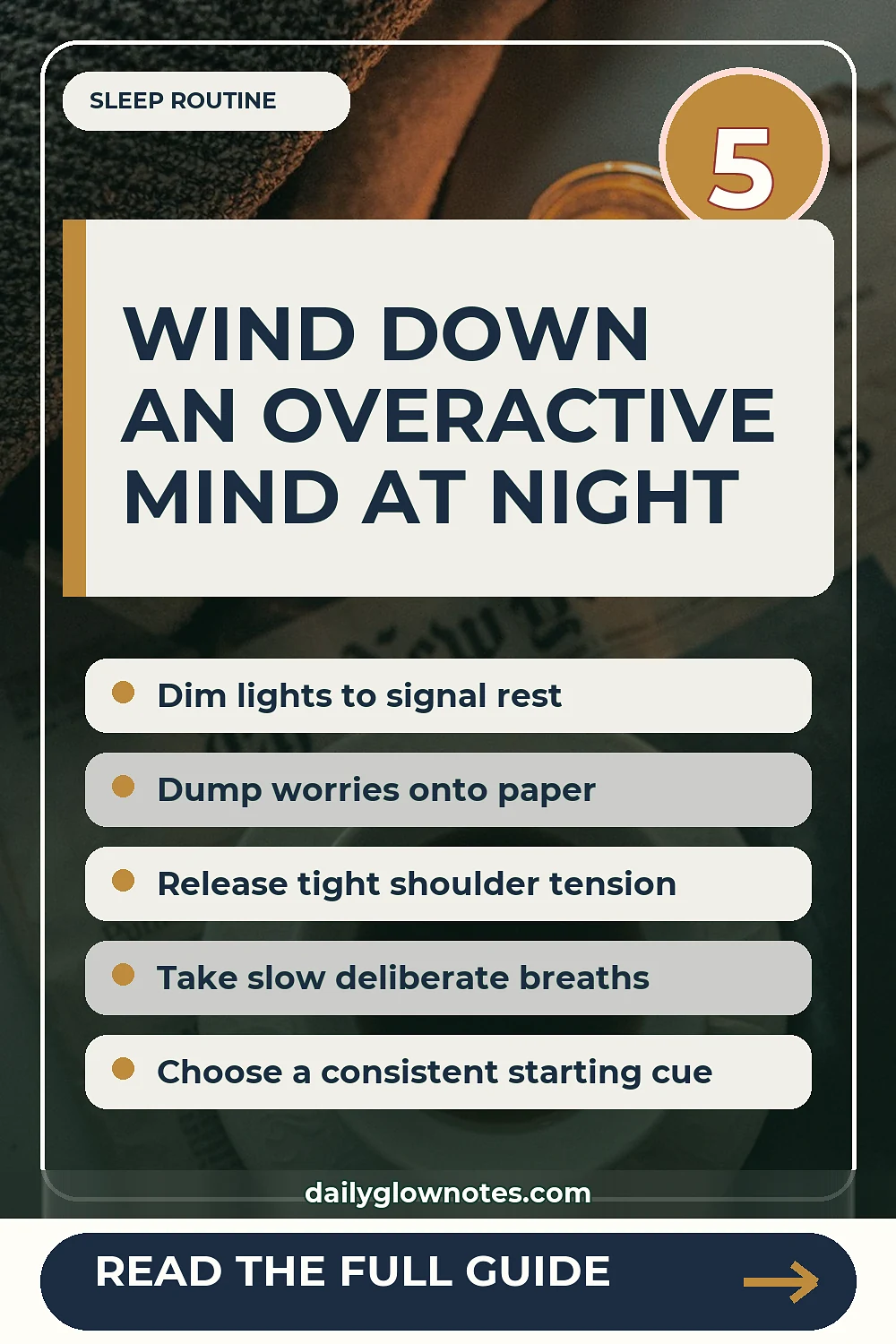
Our environment plays a powerful role in how quickly we transition into a resting state. Engaging the senses through soft illumination and subtle aromas helps cue the brain that it is safe to let go of daytime responsibilities. Dimming the overhead lights and relying instead on warm, low-level bedside lamps reduces visual strain. Many people also enjoy incorporating gentle scents, such as lavender or cedarwood, through a diffuser or a light linen spray. These gentle sensory additions create a sanctuary-like atmosphere in your bedroom, making your sleeping space feel distinct from the rest of your living areas. Establishing this sensory boundary helps train your mind to associate the bedroom exclusively with relaxation and sleep rather than work or digital entertainment.