
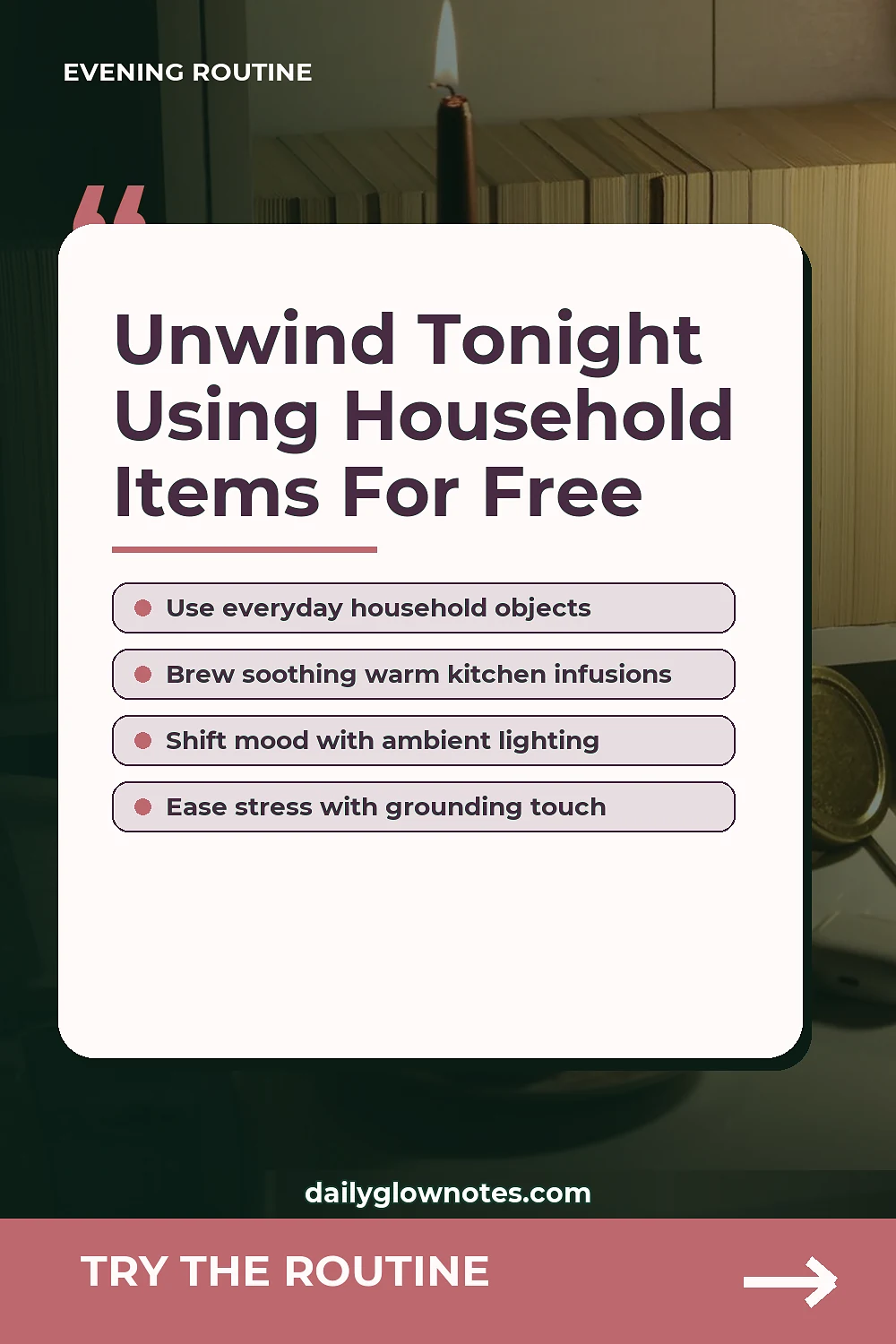
Evenings should feel like a soft landing after a demanding day, yet many of us find ourselves wound tight, staring at the ceiling or drifting through mindless chores. When you want to unwind without spending a fortune on trendy wellness gadgets, a shopping free relaxation toolkit using household items for busy evenings can completely transform your routine. You do not need expensive essential oil diffusers, weighted blankets, or luxury spa sets to signal to your nervous system that the workday is officially over. Everything required to curate a calming wind-down ritual is likely already sitting in your kitchen cabinets, desk drawers, or linen closet. Building a sustainable evening practice is ultimately about intentionality rather than acquiring more objects, allowing you to recontextualize the items you already live with into tools for genuine peace.
Scouting Your Home for Tactile Comforts
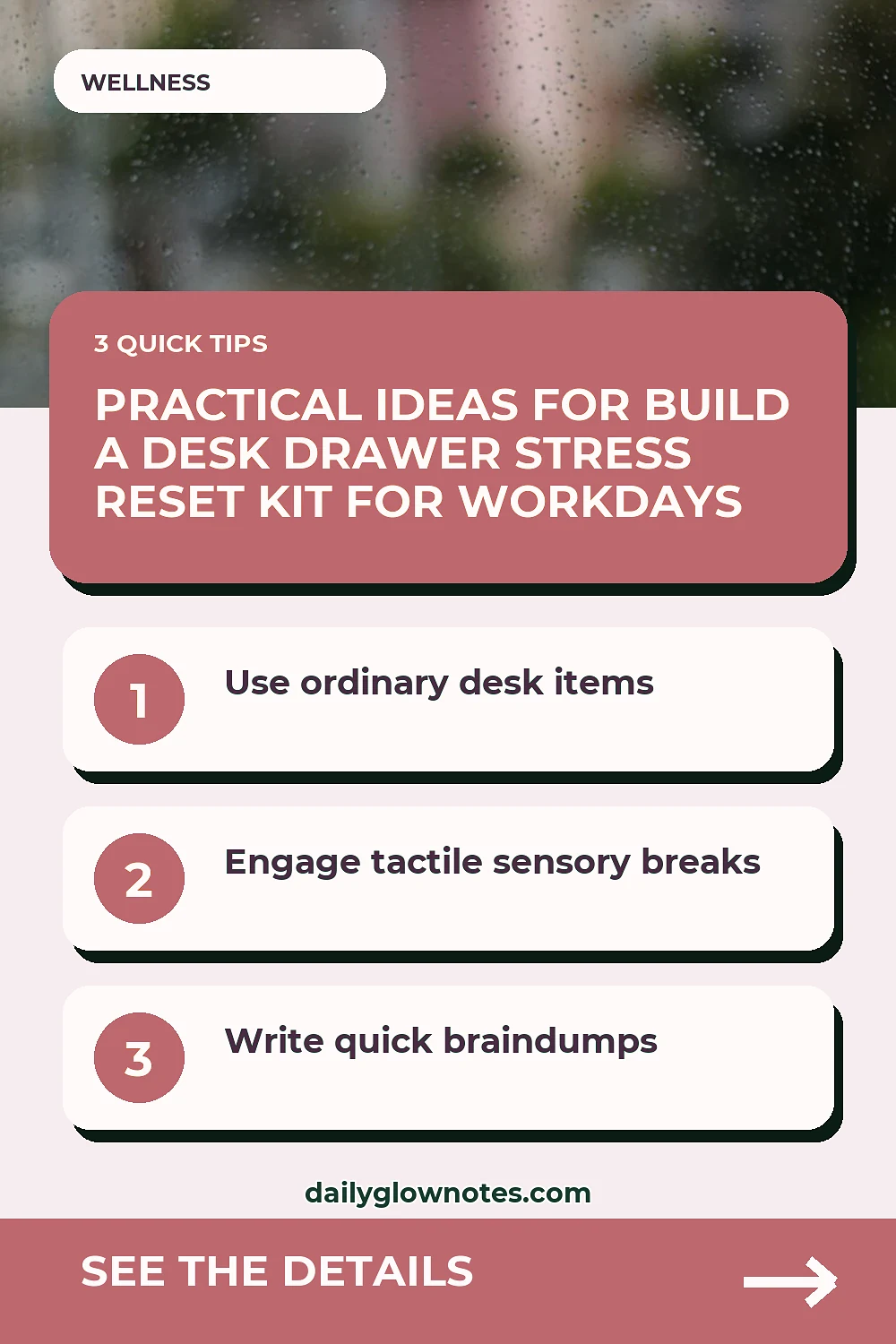
Physical sensations play a massive role in shifting our mental state from active problem-solving to passive rest. Start by looking around your living space for items that offer comforting textures. A smooth river stone collected from a past walk, a heavy ceramic mug, or a neatly folded linen hand towel can become anchors for your attention. When your hands engage with familiar, grounding objects, your brain naturally steps away from the mental loops of the day. You might place these items on a wooden tray on your nightstand or kitchen counter to create a dedicated visual reminder that it is time to slow down.
To take full advantage of these tactile objects, try a simple grounding exercise. Sit comfortably, close your eyes, and hold your chosen item for two full minutes. Notice its temperature, its weight, and any subtle variations in its surface texture. This deliberate focus interrupts the cycle of stressful thoughts and anchors your awareness directly in the present physical moment, effectively easing the nervous system into a resting state.
Brewing a Simple Kitchen Infusion
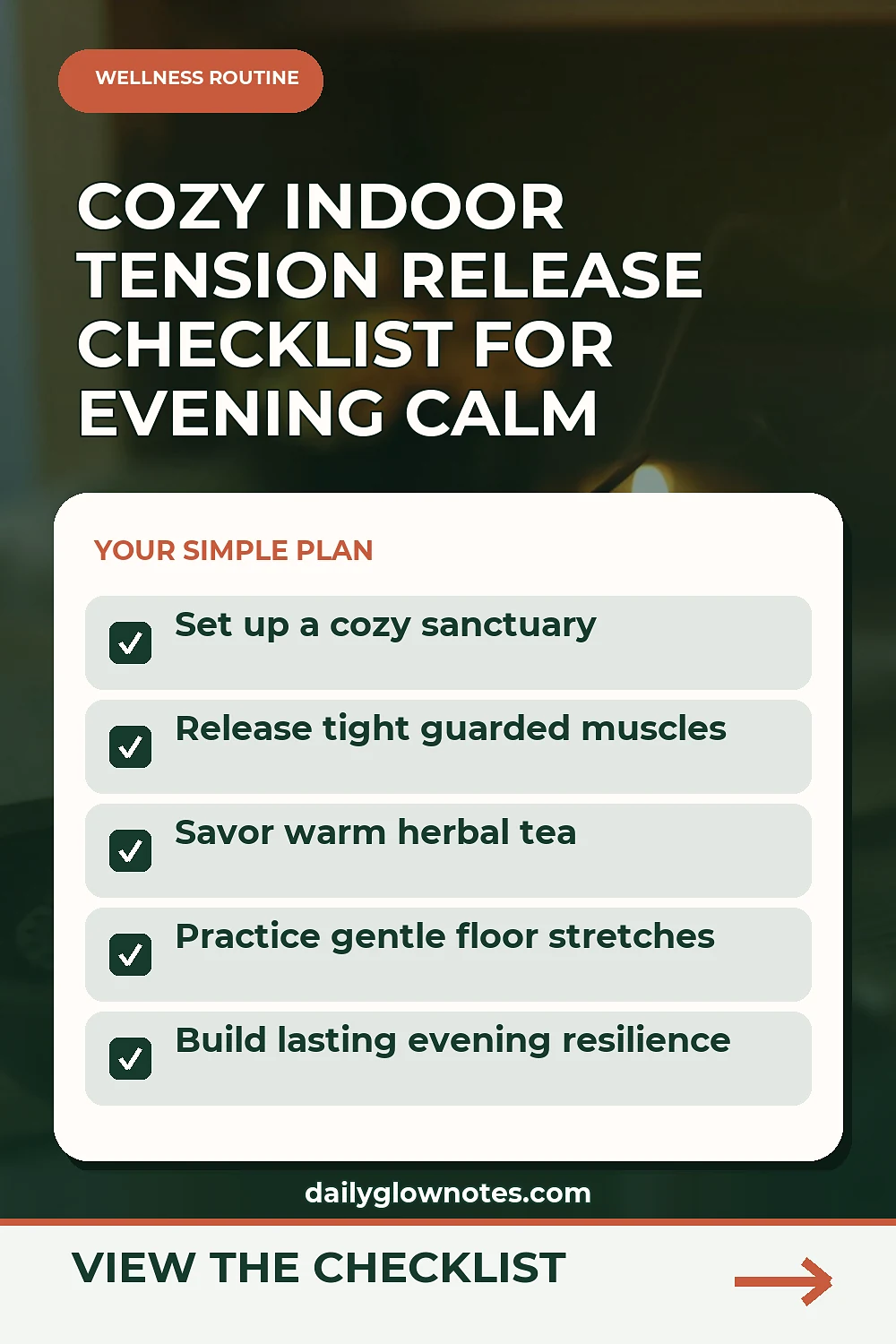
Warmth is an instant physical comfort that requires no financial investment. Instead of buying specialized herbal sleep blends, check your pantry for basic ingredients like loose chamomile, peppermint, or even plain hot water with a slice of fresh lemon and a drop of honey. The act of watching water heat, pouring it slowly into a favorite mug, and holding the warm ceramic between your palms engages multiple senses in a soothing rhythm. Sipping something warm encourages you to pause, breathe deeply, and disconnect from devices.
You can also experiment with temperature contrasts by using a cold, damp washcloth on the back of your neck while sipping your warm tea, creating a sensory grounding loop that slows your heart rate. The kitchen is full of subtle sensory anchors like the scent of brewing herbs or the sound of boiling water, all of which can be reframed as restorative rituals if approached with mindfulness and quiet intention.