
A Laundry-Day Checklist for Fabrics That Touch Your Face becomes easier to understand when the main ideas are organized into practical, realistic steps. This guide explains the core considerations and shows how to apply them thoughtfully in everyday life. Your skin faces a barrage of invisible environmental stressors every single day. While we obsessively curate our bathroom counters with cleansers, serums, and moisturizers, we often overlook the one surface that spends eight hours a night pressed against our pores: the pillowcase. Developing a consistent laundry checklist for fabrics that touch the face is a fundamental, yet frequently missed, step in a supportive skincare routine. If you struggle with persistent congestion or irritation, your laundry habits might be a silent contributor to your skin's overall state. By treating your linens with the same attention you give your skincare regimen, you can create a cleaner, more soothing environment for your complexion.
The Hidden Impact of Fabric Hygiene on Skin Health
Think about what settles onto your fabrics throughout the day and night. Dead skin cells, hair product residue, natural oils, and dust mites all accumulate on textiles that have frequent contact with your skin. When these particles linger, they create an environment that can disrupt the skin barrier. For those with blemish-prone skin, this accumulation is particularly problematic. It is not just about cleanliness; it is about reducing the friction and contamination that can exacerbate existing sensitivities. Maintaining a skin-contact fabric laundry checklist helps you minimize these variables, ensuring that when your face hits the pillow, it is meeting a clean, neutral surface rather than a reservoir of yesterday's debris. Consider the fabric weave as well; tighter weaves tend to trap fewer dust particles than loose, open-knit fabrics, which can be an additional factor in your choice of bed linens.
Establishing a Rotation Schedule for Pillowcases
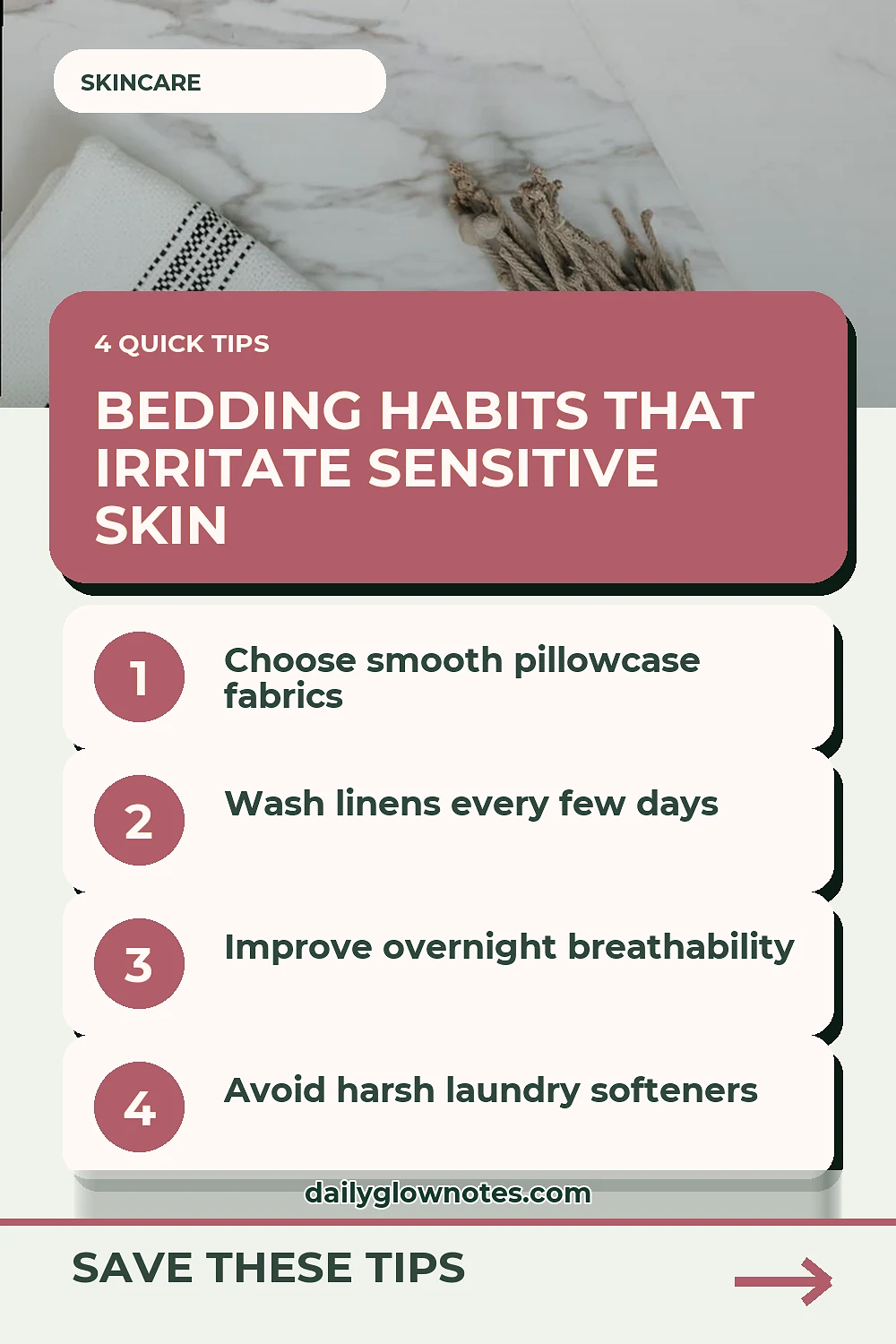
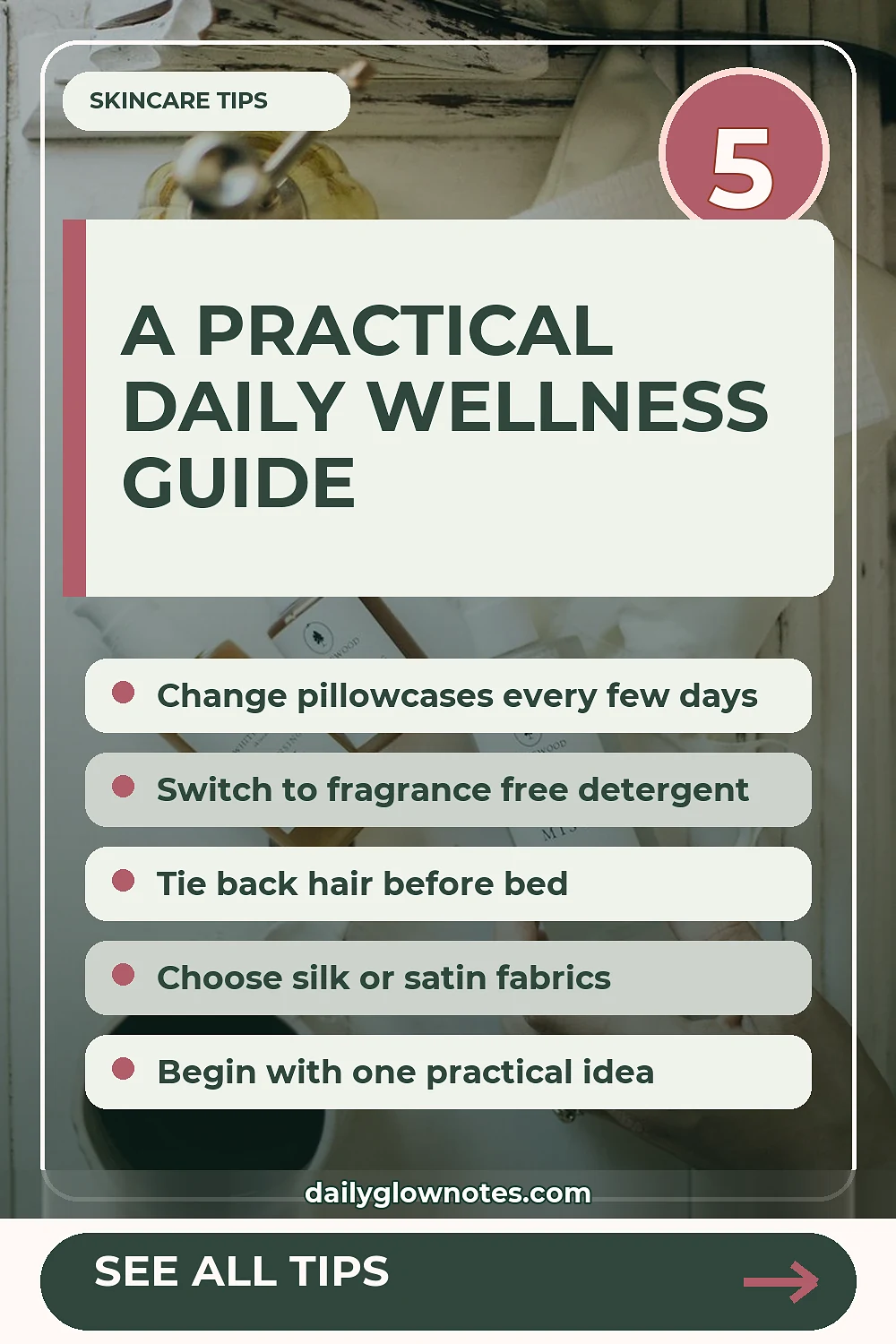
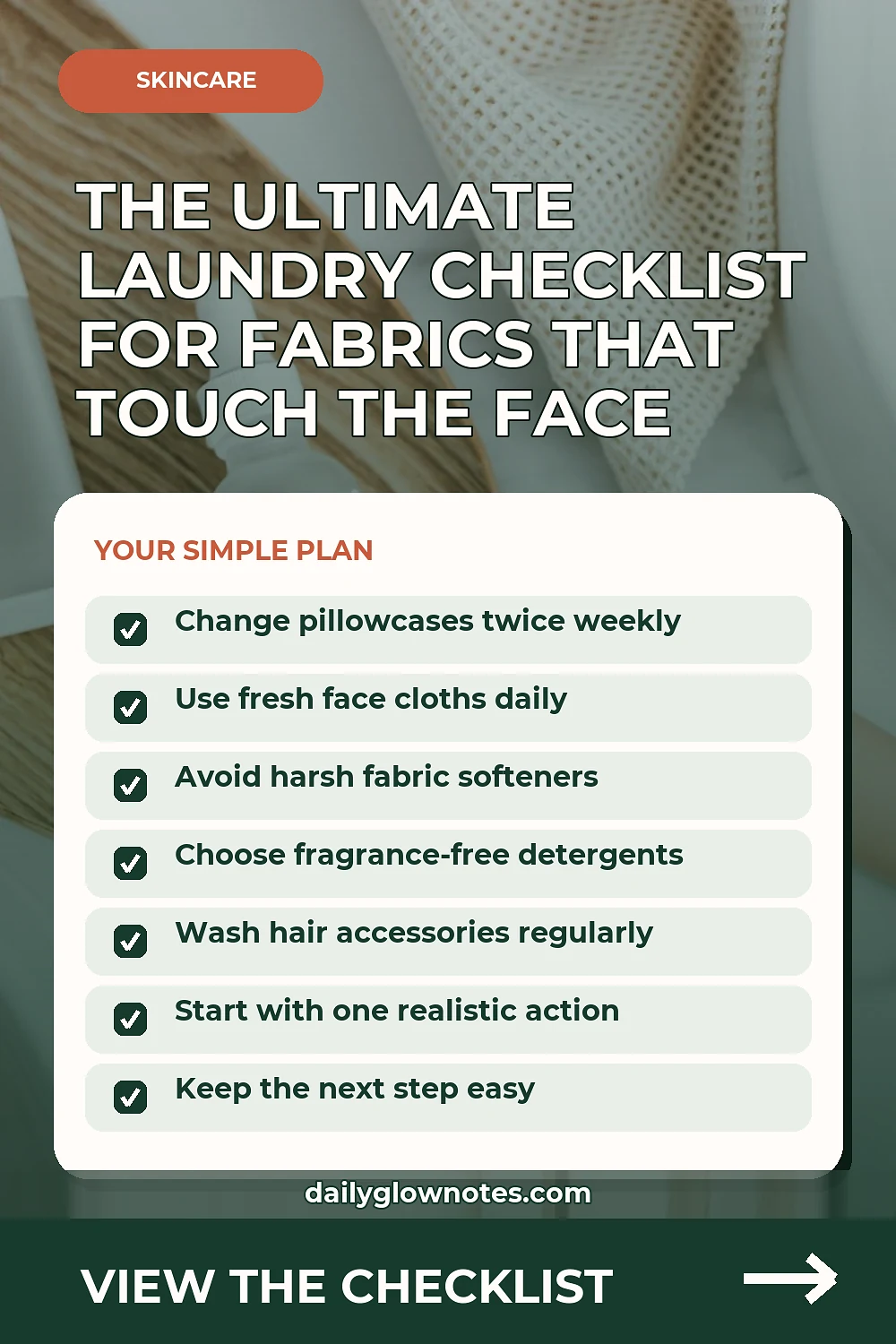
Most dermatologists and skincare experts suggest changing your pillowcase at least twice a week. If you deal with active breakouts or high humidity, you might consider daily changes. The most practical way to manage this is by owning a surplus of pillowcases rather than washing your entire sheet set every time. Keep a dedicated stack in your linen closet so you never have to scramble. When laundering these cases, prioritize unscented, hypoallergenic detergents. Many conventional laundry soaps are packed with heavy fragrances and optical brighteners, which are common culprits for contact dermatitis and irritation. By choosing a gentle, fragrance-free formula, you remove another potential trigger from your nightly ritual. Remember, the goal is to keep the environment as calm as possible while nurturing clearer skin through consistent, mindful habits.
Handling Towels and Reusable Face Cloths
Towels are notorious for harboring moisture and bacteria, yet they are often left hanging in damp bathrooms for days on end. This environment is an ideal breeding ground for microorganisms that your skin does not need. Instead of using a large body towel for your face, invest in a set of small, soft cotton face cloths. Use a fresh cloth for every single wash. This small change prevents the reintroduction of bacteria to your clean face. When washing these cloths, avoid fabric softeners entirely. While they make fabrics feel plush, they often leave a waxy, chemical film behind that can clog pores and trap residue. High-heat drying is your best friend here, as it naturally sanitizes the fibers without the need for harsh chemical additives. If you do not have a dryer, hang drying in direct sunlight can provide a similar, albeit less consistent, sanitizing effect due to ultraviolet exposure.