
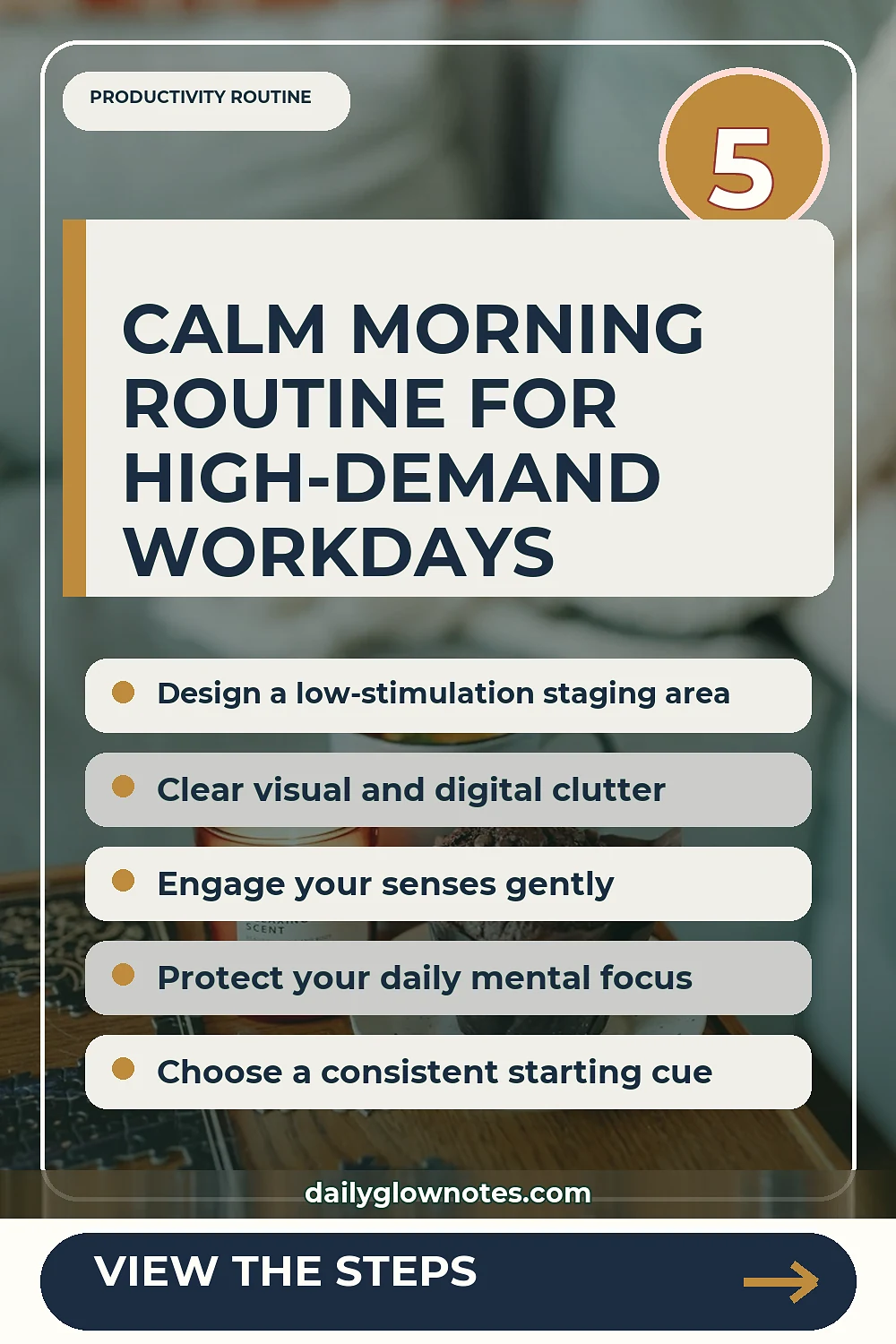
Stepping into a high-demand workday often begins with unnecessary friction long before you open your laptop. When your physical environment is cluttered with visual noise, your nervous system responds to those subtle cues of disorder. Establishing a quiet morning routine starts the evening before by intentionally designing a low-stimulation staging area near your exit point. By placing essentials like keys, work badges, and a simple ceramic tray in a dedicated spot, you remove the frantic searching that instantly spikes cortisol levels.
Curating a Low-Stimulation Space Before Sunrise
Many high-achieving professionals find that managing everyday stress relies heavily on environmental design. When your entryway remains calm and orderly, your brain interprets the space as controlled and predictable. This small shift prevents the cascade of minor frustrations that can derail your focus before 9:00 AM.
Furthermore, the human brain processes visual stimuli continuously, even when we are not consciously focusing on our surroundings. Objects scattered near an exit serve as subconscious reminders of unfinished tasks, subtly draining your cognitive bandwidth before your day has even begun. By clearing these surfaces every evening, you create a psychological boundary between rest and labor. This practice trains your mind to associate your home environment with safety and recovery, making it easier to decompress after long hours at work.
The Night-Before Staging Protocol
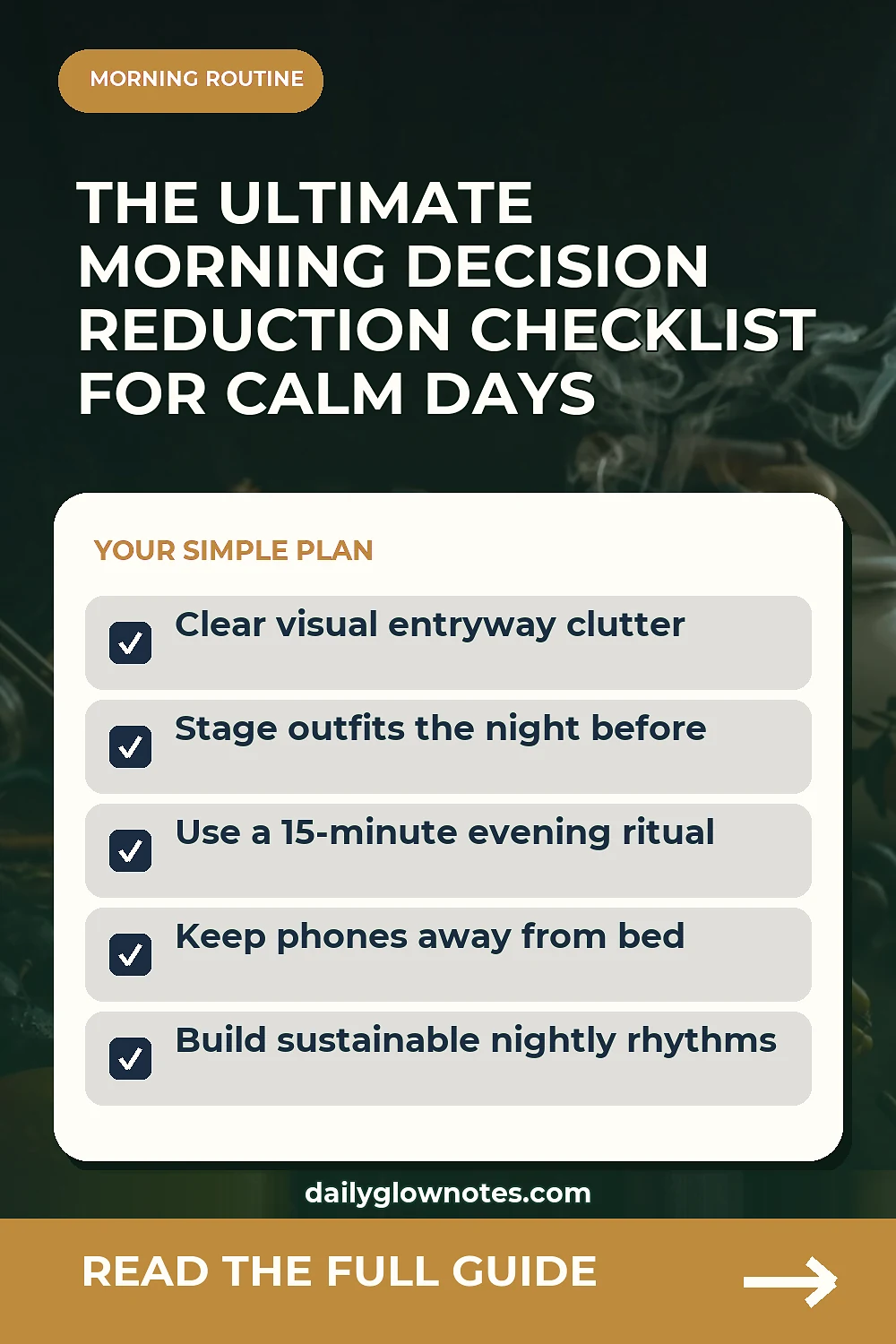
Waiting until morning to make decisions is a primary driver of decision fatigue. A structured preparation checklist eliminates morning guesswork. Begin by setting out your daily wear, organizing your bag, and prepping simple breakfast items so your morning unfolds on autopilot.
Consider how digital habits intersect with your physical preparation. Engaging with late-night notifications can disrupt your wind-down window, making it harder to settle into deep rest. If you struggle with evening screen habits, learning how to break the late-night scrolling habit and finally quiet your mind can profoundly improve your sleep quality and morning readiness. When your mind is properly rested, your physical preparation checklist feels effortless rather than obligatory.
To build a sustainable staging protocol, try anchoring your preparation to an existing evening habit, such as brushing your teeth or turning off the main living room lights. When your staging ritual becomes an automatic part of your wind-down sequence, it requires virtually no conscious effort. Over time, this consistency helps signal to your nervous system that the active workday is truly finished, allowing you to transition smoothly into restorative evening hours.

A considered next step
Explore Restilen
Streamlining Your Digital and Mental Workspace
Physical preparation is only half the equation; your digital environment requires the same intentional care. Leaving dozens of browser tabs open or unread messages blinking can create a subtle sense of impending chaos. Clearing your digital desktop during your evening wind-down ensures that when you log on the next day, you face a clean slate instead of a wall of demands.
This habit ties directly into recognizing how digital clutter accumulates. Unchecked digital environments often mirror unchecked mental loops. Addressing things like the inbox overload habit that can make stress feel louder can drastically reduce the cognitive load you carry into your first morning meeting.
To take digital streamlining a step further, consider organizing your files and closing unnecessary applications before you shut down your device for the night. Opening a computer to find a clean desktop with only the essential tools for your first morning task prevents immediate overwhelm. It gives you a clear runway to start working deeply on high-priority projects rather than getting bogged down by digital housekeeping during prime morning hours.
Designing a Sensory-Gentle Wake-Up Sequence
When your alarm sounds, your transition from sleep to wakefulness should mimic the gradual rise of natural light rather than an abrupt jolt. Set an alarm tone that feels grounding rather than alarming. As you move through your pre-work steps, keep lighting low and avoid turning on overhead lights immediately.
Many adults incorporate daily calming rituals, such as sipping warm herbal tea or practicing five minutes of gentle breathwork, to anchor their morning mindset. Some individuals also choose to weave daily wellness supplements into their morning habits as a form of natural support for everyday stress and relaxation, helping them maintain steady resilience through demanding schedules.
Engaging your senses gently in the morning helps regulate your autonomic nervous system. Instead of shocking your body awake with harsh sounds and glaring lights, a sensory-gentle approach supports a balanced release of cortisol and adrenaline. This gradual awakening translates into sustained energy levels throughout the morning, reducing the mid-morning crash that many professionals experience after consuming excessive caffeine on an empty stomach.
Protecting Your Focus Through Intentional Boundaries
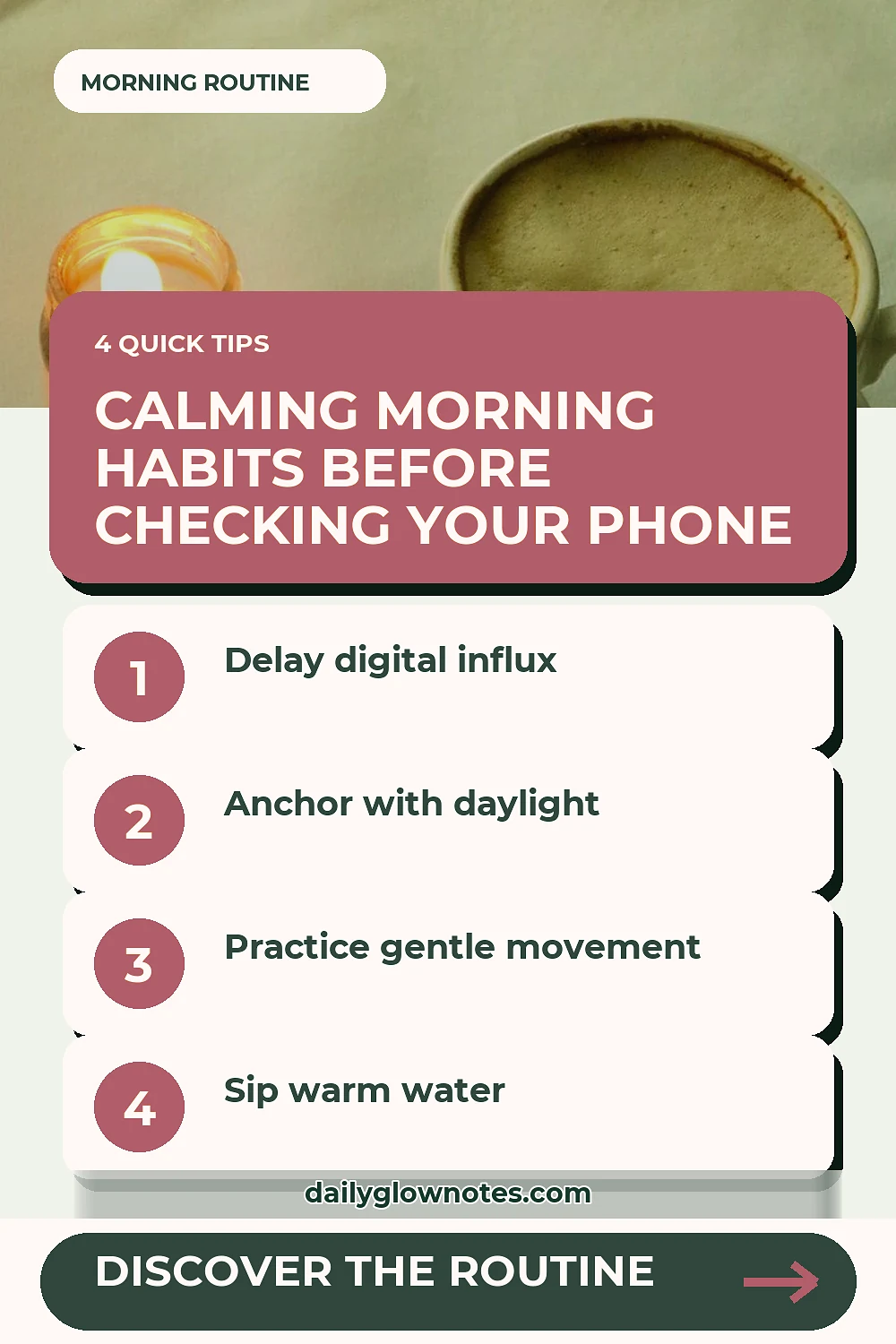
As your workday approaches, safeguarding your mental clarity requires firm boundaries. Resist the urge to check work messages the moment your eyes open. Instead, let your preparation checklist act as a physical manifestation of your boundaries, reminding you that your time and energy belong to you first.
By treating your morning preparation not as a chore, but as a deliberate act of self-care, you build a buffer against the demands of a high-pressure career. Consistency transforms these small routines into a reliable anchor, ensuring you can meet high-demand workdays with steady focus and inner calm.
Protecting your focus also means recognizing when outside demands are encroaching on your personal preparation time. Establishing a firm rule that work communications remain unopened until you are physically or mentally at your desk changes your relationship with urgency. You stop reacting to other people's priorities and begin your day grounded in your own intentional plan.
A considered next step
Explore Restilen