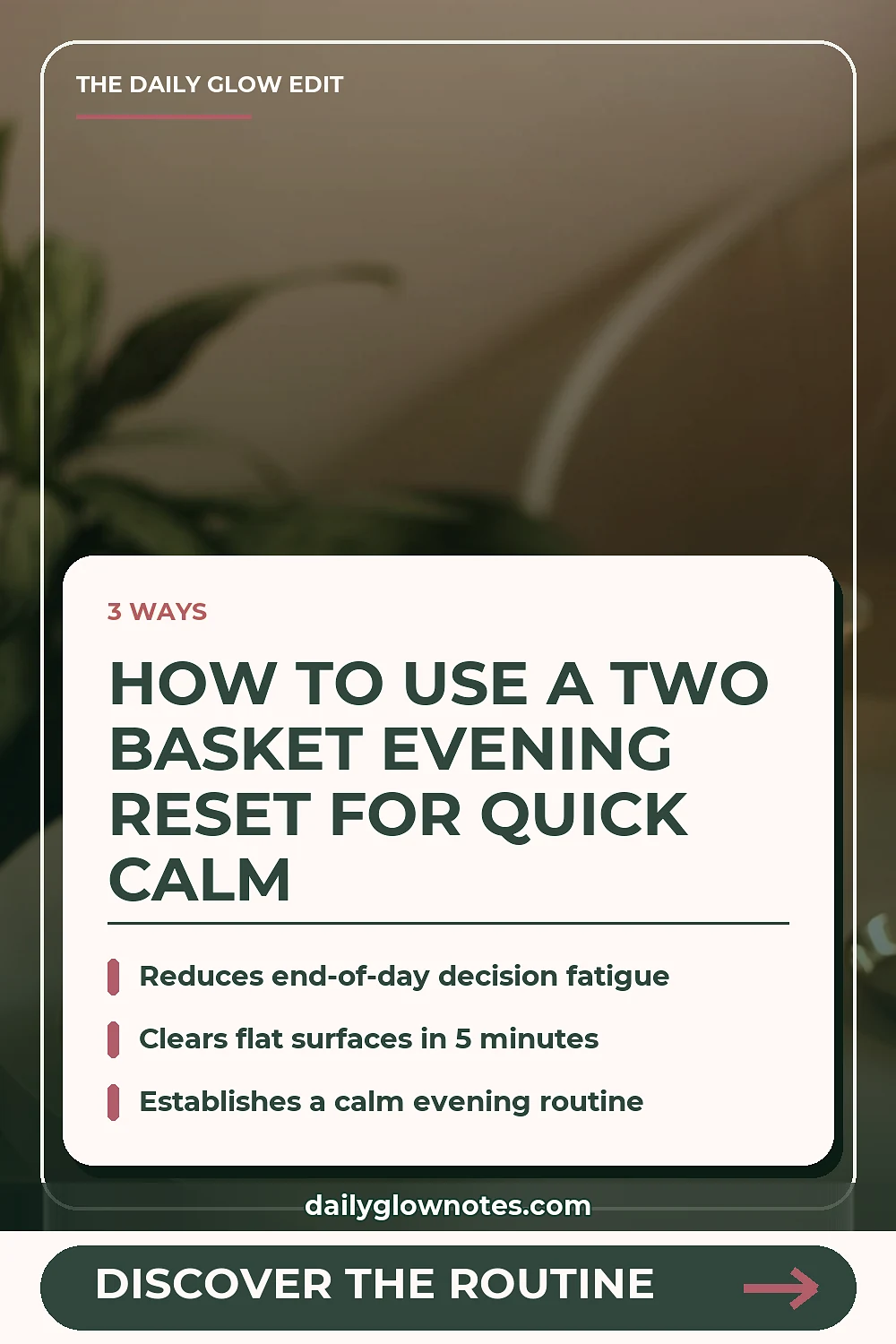

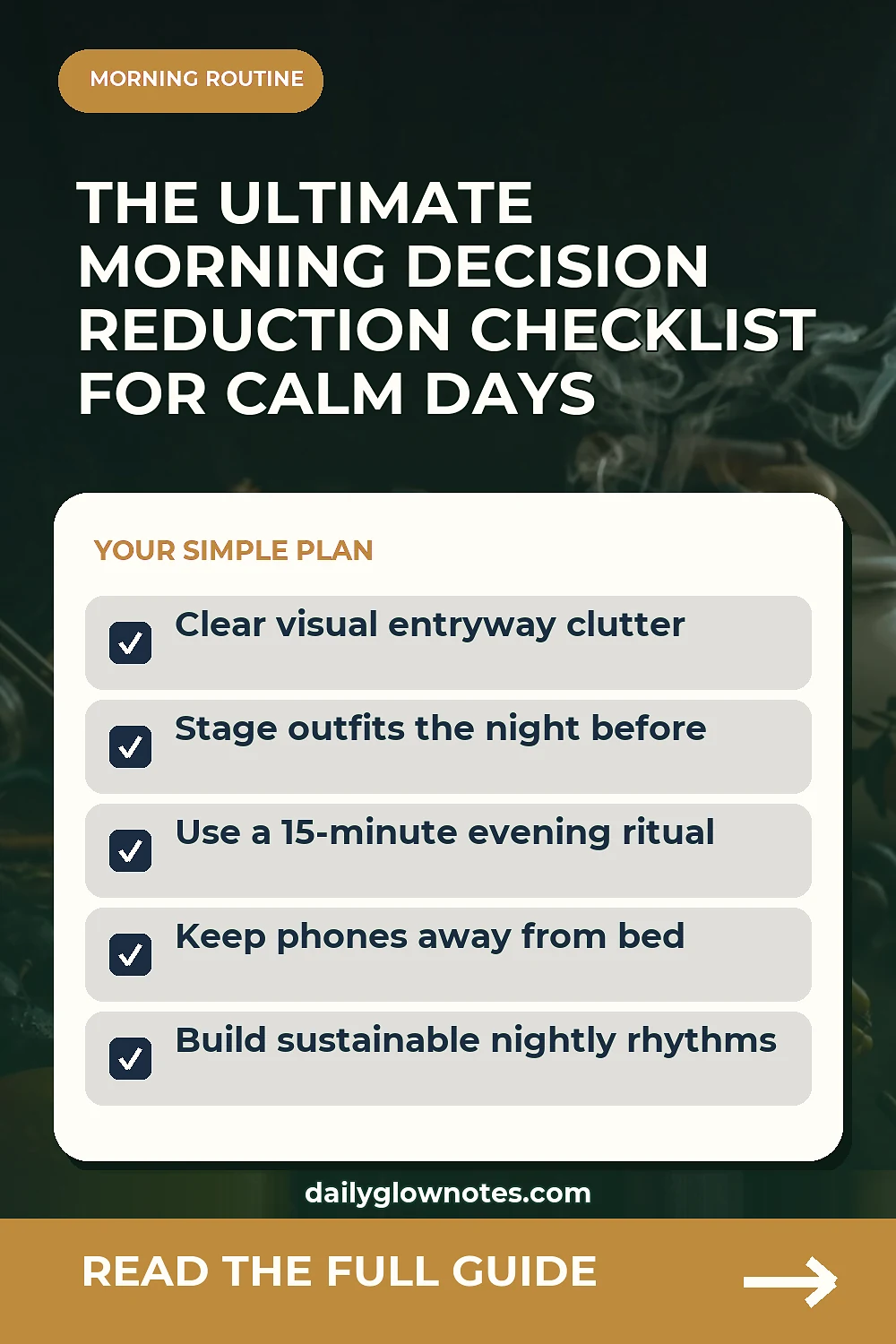
The Night-Before Checklist That Reduces Morning Decisions becomes easier to understand when the main ideas are organized into practical, realistic steps. This guide explains the core considerations and shows how to apply them thoughtfully in everyday life, helping you reclaim your peace of mind and protect your cognitive energy throughout the day.
Mornings often derail long before the alarm goes off, starting the moment you open your eyes and immediately face a dozen tiny choices. What to wear, where the car keys are, which water bottle to pack, and how to piece together breakfast while rushing out the door. This early-hour mental friction drains your patience before your day has even begun. Implementing a morning decision reduction checklist the night before can completely transform how your day starts, turning chaotic wake-ups into calm, streamlined transitions that set a positive tone for everything that follows.
Clearing the Visual Noise Before You Sleep
Your physical environment directly influences your mental state and overall well-being. Walking into a cluttered entryway or staring at a disorganized pile of outerwear can subtly elevate stress hormones before you even step outside. By taking five minutes at night to curate your hallway, you create a peaceful sanctuary for your future self. Place plain shoes neatly by the door, fold your outerwear over a chair, and set out your keys alongside a filled water bottle. This quiet preparation removes unnecessary friction, allowing your brain to glide into the morning without scrambling for essentials. When visual clutter is minimized, the brain does not have to process as many competing stimuli upon waking. Taking a few moments to wipe down counters, put away stray items, and prep your coffee maker or tea station ensures that your morning environment feels welcoming rather than demanding. This simple act of environmental stewardship is a profound gift to your morning self, creating a smooth visual pathway from your bed to the start of your day.
Unwinding with a 15-Minute Evening Transition Ritual
Physical preparation alone cannot settle a busy mind if your nervous system remains stuck in high gear from the workday. Transitioning from active hours to restorative rest requires intentional boundaries. You can easily build this into your routine by learning how to create a 15-minute evening transition ritual that signals to your body that the day's demands are officially over. Dimming the lights, stepping away from screens, and engaging in light stretching or deep breathing helps lower cortisol and prepares you for restorative sleep. Consider pairing this with a gentle journaling practice where you brain-dump any lingering to-do items onto paper, ensuring they do not cycle through your mind while you are trying to rest. By externalizing these thoughts, you free up cognitive workspace and allow your nervous system to register that work is done for the day.
Supporting Natural Relaxation and Calm
Evening stress often lingers, making it difficult to fully unwind even when your tasks are done. Many adults look for gentle ways to support their evening routines and encourage deeper relaxation. Incorporating natural wellness habits, such as sipping herbal tea or engaging in mindful breathing exercises, can be a supportive addition to a balanced lifestyle designed to manage everyday stress and promote inner calm. These small self-care anchors help create a peaceful buffer between the busy day and a restful night. Establishing a consistent sensory cue, such as a specific calming scent or a soft instrumental playlist, can also train your brain over time to associate these elements with impending rest, making the transition into sleep much smoother and more reliable.