
When your alarm goes off long before the sun, the sudden rush of the morning can instantly set your nervous system on high alert. For healthcare providers, service professionals, and early commuters, stepping straight from deep sleep into bright kitchen lights, chiming phones, and rapid multitasking feels jarring. Establishing a quiet morning routine before a busy day does not require waking up an hour earlier or sacrificing precious rest. Instead, creating a low-sensory 15-minute sanctuary gives your mind and body a gentle buffer, preserving your energy before you step out into a demanding environment.
Designing Your Low-Sensory Environment at Dawn
The first few moments after waking are uniquely delicate. Loud noises, flashing notification screens, and harsh overhead lighting immediately demand cognitive processing, forcing your brain into reaction mode before you have even found your footing. To protect your mental bandwidth, start by stripping away unnecessary stimulation and creating a peaceful physical atmosphere.
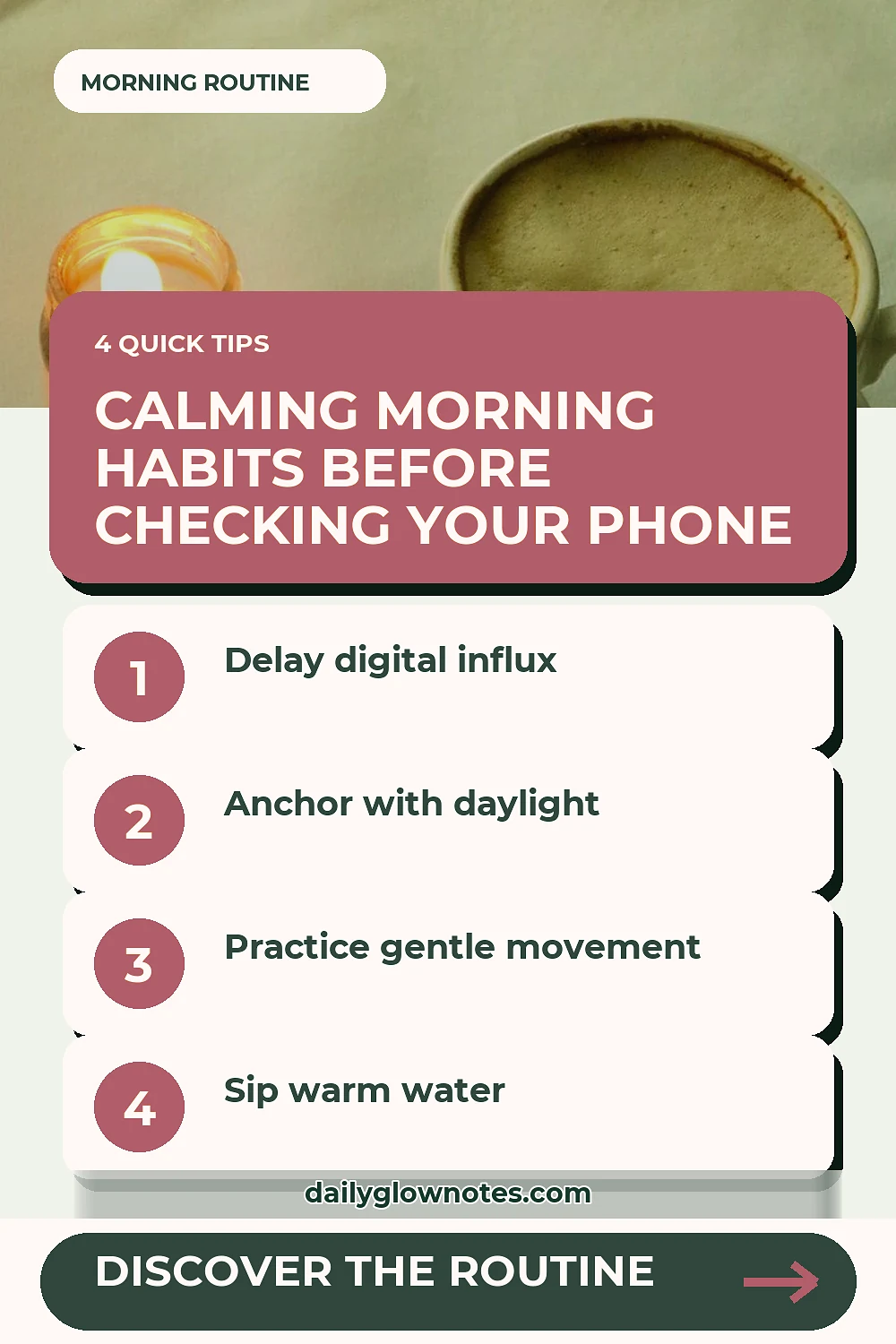
Keep your bedroom lights dim or use warm bedside lamps instead of turning on bright overhead fixtures. This gentle lighting helps your eyes adjust naturally without shocking your system. Resist the urge to check work emails or social media feeds the second your eyes open. This digital boundary prevents external demands from flooding your thoughts before you have centered yourself. If you struggle to quiet mental chatter first thing in the morning, taking a moment to look at how to break the late-night scrolling habit and finally quiet your mind can also help reset your baseline evening relaxation, making those early mornings feel noticeably less frantic.
Understanding the Biology of Morning Stress
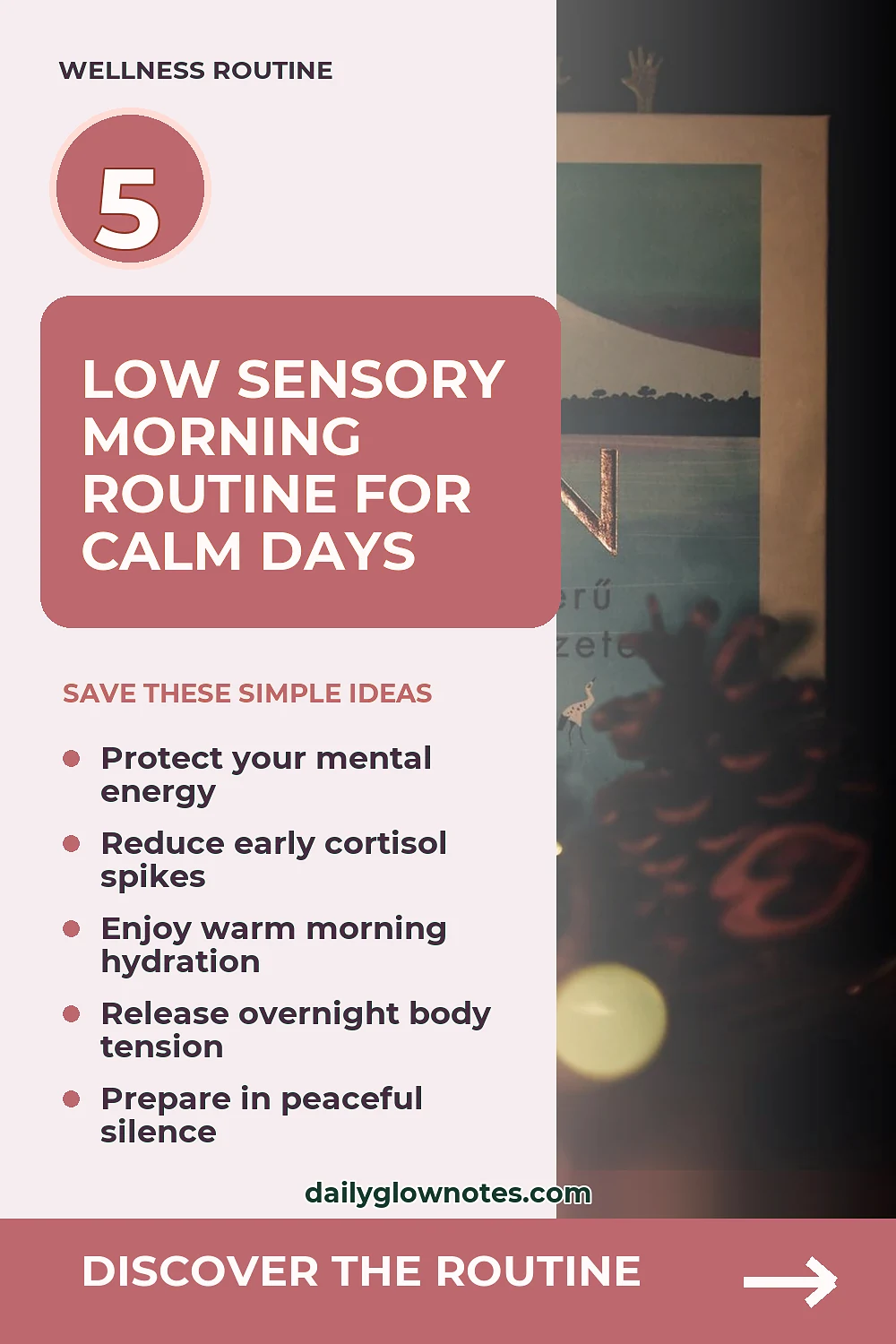
When you wake up abruptly to blaring alarms and immediate notifications, your body experiences a sharp spike in cortisol and adrenaline. This sudden hormonal surge is designed for emergency situations, not for calmly getting dressed and walking out the door. Over time, repeatedly shocking your nervous system every morning can lead to chronic fatigue, irritability, and a persistent feeling of being overwhelmed before your workday has even truly begun. Cultivating a deliberate pause helps regulate these stress hormones, allowing your heart rate and blood pressure to rise at a natural, healthy pace.
A Step-by-Step 15-Minute Timeline
Structure removes the guesswork from early mornings, ensuring you do not waste precious mental energy trying to decide what to do next. This intentional fifteen-minute sequence flows smoothly from stillness to gentle movement, keeping sensory input minimal and intentional.
Minutes 1 to 5: Grounding and Warm Hydration
Begin with stillness. Sit on the edge of your bed or a comfortable chair for sixty seconds, noticing your breathing without trying to alter it. Next, move quietly to the kitchen to prepare a warm, comforting beverage like caffeine-free herbal tea or warm water with lemon. As you hold the warm mug, focus entirely on the tactile sensation of heat against your palms. This simple mindfulness anchor brings your awareness fully into the present moment and gently wakes up your digestive system.
Minutes 6 to 10: Gentle Somatic Release
Physical tension often accumulates overnight, especially when anticipating an early shift or dealing with underlying muscle stiffness. Spend five minutes moving your body with extreme gentleness. Think slow neck rolls, seated spinal twists, or a restorative forward fold. Avoid high-energy stretching or anything that feels like a workout. The goal is simply to release stiffness, invite blood flow back into your muscles, and signal to your nervous system that you are safe and unhurried.
Minutes 11 to 15: Mindful Preparation Without Chaos
Use your final block of time to get dressed, grab your packed bag, and mentally map out your commute in silence. Laying out your clothes and packing your essentials the night before makes this final phase entirely seamless. If you listen to audio during your transition out the door, opt for ambient instrumental soundscapes or soft nature recordings rather than fast-paced news updates or podcasts that require heavy concentration.