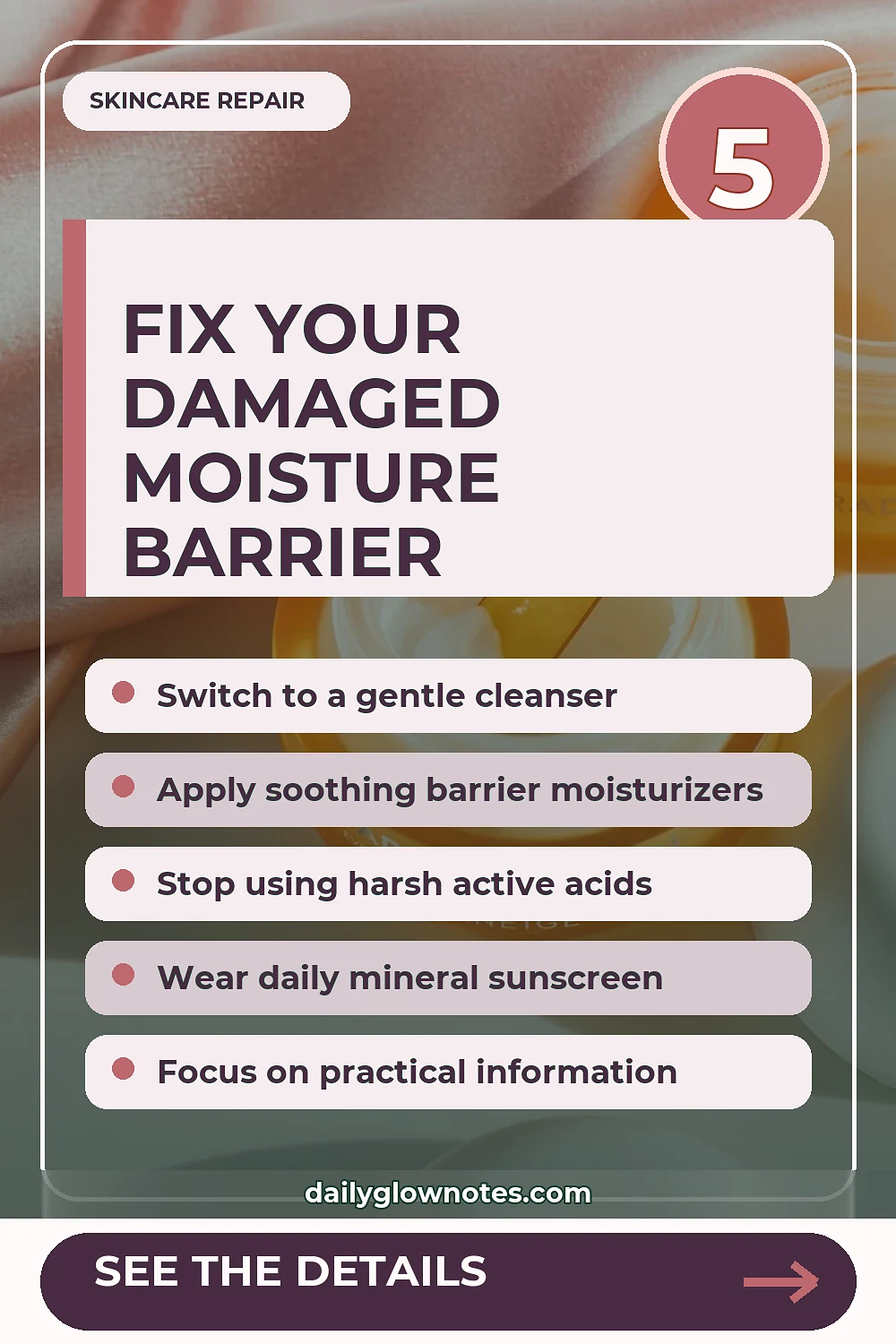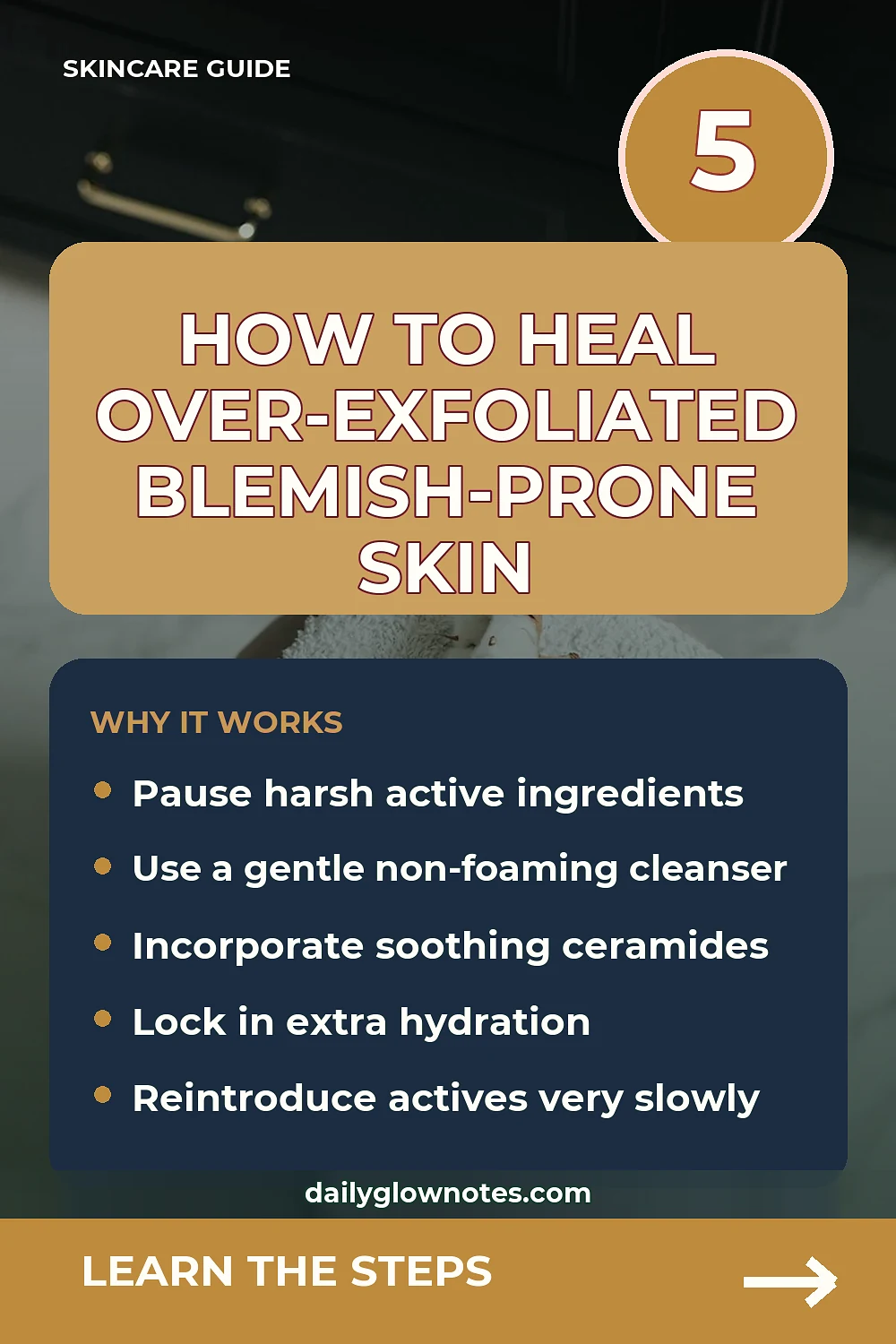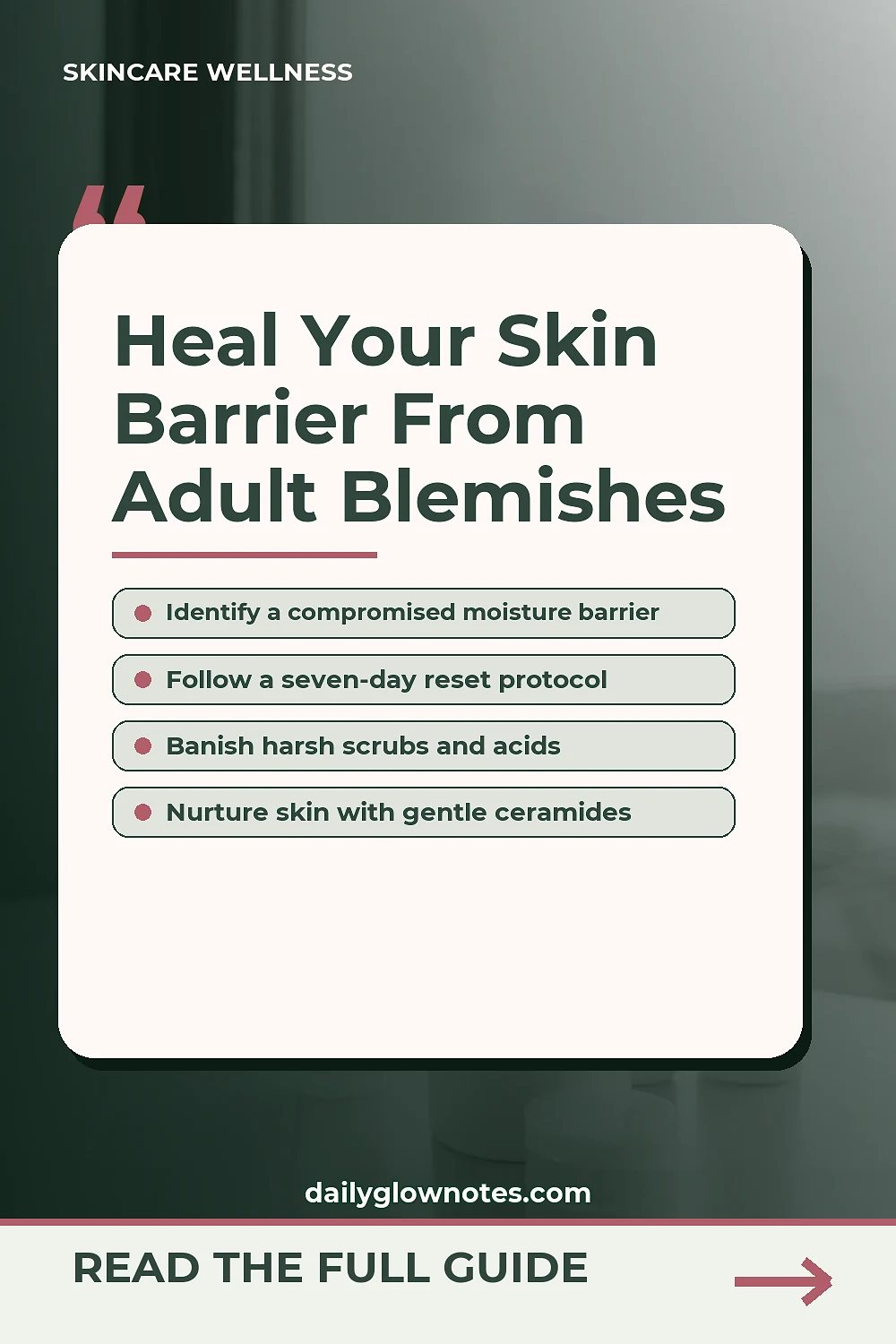

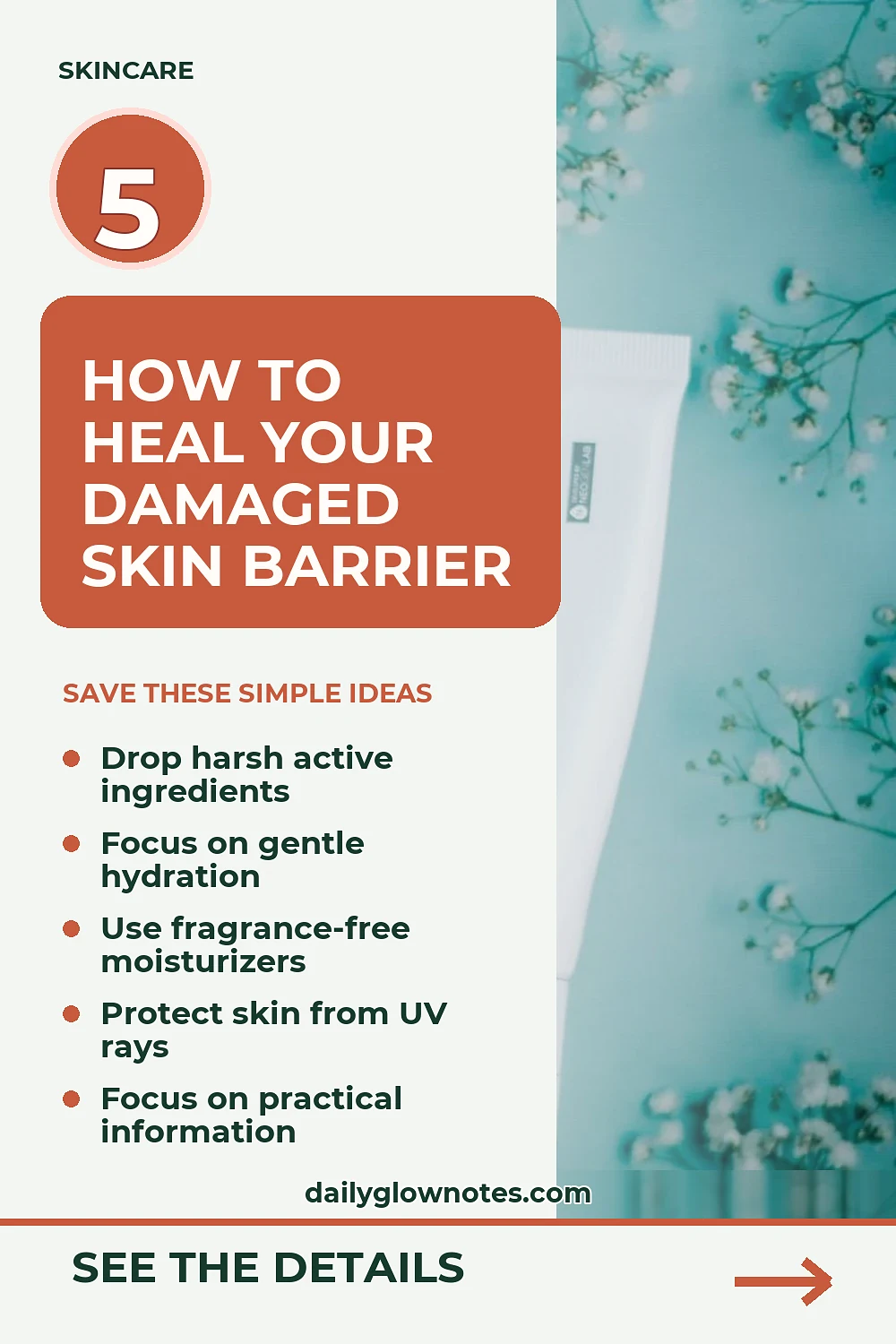
When you learn how to heal over exfoliated skin barrier adult acne challenges, the first step is recognizing the signs of distress. Stinging upon application of even the most basic products, persistent redness, and a tight, shiny texture often signal that your moisture barrier has been compromised by too many active ingredients. Adult skin requires a delicate balance, and aggressive chemical peels or physical scrubs can strip away essential lipids, leaving the complexion vulnerable to irritation and unexpected breakouts. Recognizing these early warning signs allows you to intervene before micro-tears and deep inflammation take root, transforming a simple irritation into a prolonged recovery cycle that requires immense patience and meticulous care.
Understanding Over-Exfoliated Skin
Over-exfoliation happens when physical scrubs, alpha hydroxy acids, beta hydroxy acids, or retinoids are used too frequently or in combinations that exceed the skin's natural tolerance threshold. The stratum corneum, which acts as your body's primary shield against environmental pathogens and moisture loss, becomes depleted. Without this protective lipid matrix, moisture escapes rapidly, and irritants easily penetrate deeper layers. This structural damage often triggers an inflammatory response that mimics or directly causes adult acne. You might notice sudden cystic bumps or widespread small pustules, leading many people to mistakenly apply even more acne treatments, which only deepens the cycle of damage and barrier destruction.
Stepping Back from Active Ingredients
The core of any recovery timeline involves stripping your routine down to the absolute essentials. Put away the retinoids, high-strength acids, and spot treatments for a few weeks. Instead, adopt a minimalist approach that focuses purely on gentle cleansing and deep hydration. You can explore more about this supportive philosophy by reading our guide on Restoring Your Skin Barrier: A Gentle Approach to Blemish-Prone Skin to understand how simple shifts make a lasting difference. During this initial withdrawal phase, your skin may feel uncomfortable as it adjusts to the lack of chemical stimulation, but this quiet period is non-negotiable for true cellular repair and long-term barrier resilience.
Building a Minimalist Daily Routine
Your skin needs time and quietude to rebuild its natural defenses. Stick to a non-foaming, hydrating cleanser used only once or twice a day with lukewarm water. Follow this immediately with a basic, fragrance-free moisturizer containing ceramides, glycerin, or hyaluronic acid while the skin is still damp to lock in maximum hydration. Avoid complicated multi-step regimens and harsh DIY mixtures that can introduce new allergens or chemical stressors. If your active lifestyle includes regular exercise, be sure to manage sweat quickly to prevent further congestion, as detailed in The 5-Minute Post-Workout Routine to Stop Sweat Breakouts. Consistent, gentle application of barrier-repairing emollients creates an optimal microclimate for skin cells to regenerate without interruption.