
Waking up in the middle of the night drenched in sweat and desperately searching for a cool spot on the mattress is an all-too-familiar experience for many women in their forties and fifties. When hormonal shifts disrupt your body's natural thermostat, nighttime overheating can turn a restful sanctuary into a source of frustration. Learning how to sleep cool during night sweats menopause requires more than just turning down the home thermostat. It involves a thoughtful redesign of your bedroom ecosystem, focusing on physical adjustments that help dissipate heat and maintain restorative rest throughout the night.
Choosing the Right Breathable Bedding and Mattresses
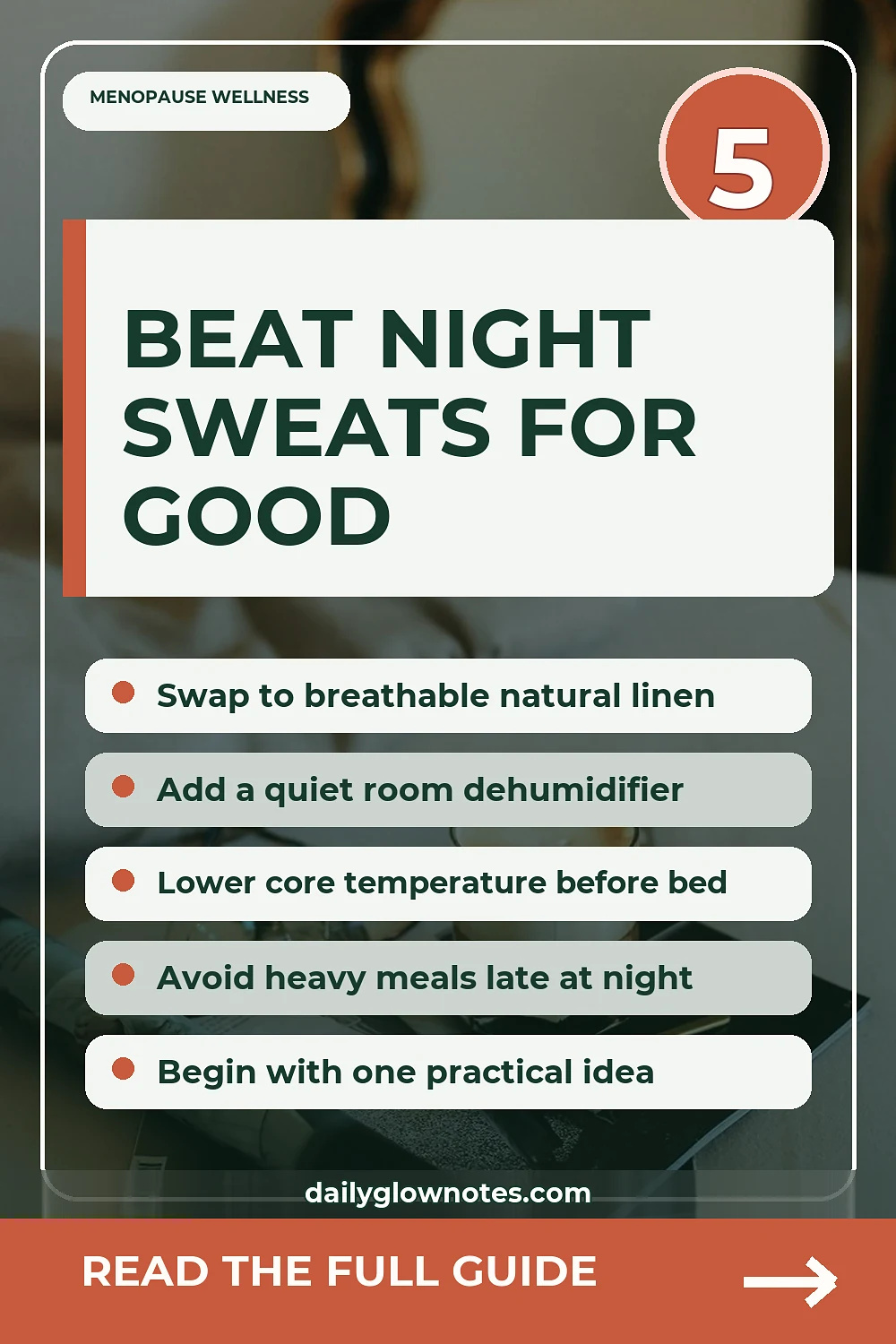
The foundation of any cool sleep setup begins with your mattress and bedding materials. Synthetic fabrics like polyester and memory foam without cooling gel infusions tend to trap body heat, creating a microclimate that exacerbates night sweats. Swapping your heavy duvets and synthetic sheets for breathable, natural fibers can make an immediate difference. Pure linen, lightweight cotton percale, and bamboo-derived viscose allow air to circulate freely beneath and around your body. Linen, in particular, is celebrated for its hollow fibers that wick moisture away from the skin, ensuring you stay dry and comfortable even when temperature shifts occur unexpectedly. Layering your bedding with multiple lightweight blankets rather than one heavy comforter also gives you the flexibility to adjust your covers easily in the middle of the night without fully waking up. Furthermore, investing in moisture-wicking mattress protectors can prevent trapped heat and keep your sleeping surface fresh and dry throughout the night.
Optimizing Your Bedroom Air Circulation and Humidity
Beyond what you lie on, the ambient environment of your bedroom plays a critical role in managing thermal comfort. Ceiling fans and strategically placed oscillating fans do more than just move air; they help evaporate perspiration, which is the body's primary mechanism for cooling down. If you live in a climate with high humidity, adding a quiet dehumidifier to your bedroom can drastically change how the air feels on your skin, making a moderate temperature feel significantly cooler and crisper. Additionally, keeping heavy blackout curtains drawn during the peak afternoon sun prevents heat from building up in the room before you even slide under the covers. Circulating fresh air through the house during cooler morning hours can also help reset the ambient baseline of your sleeping quarters.