

You turn off the bedside lamp, pull the duvet up to your chin, and wait for sleep to arrive. Instead, your brain decides it is the absolute best time to replay an awkward conversation from three years ago, mentally audit tomorrow morning's meeting agenda, and suddenly worry whether you locked the back door. If this nightly mental marathon sounds entirely too familiar, you are dealing with classic bedtime overthinking. When your mind refuses to switch off, trying to force sleep usually only leads to frustration. The secret to breaking this cycle isn't counting sheep; it is emptying your head onto paper.
Using mindfulness journal prompts for overthinking at night creates a crucial boundary between your waking responsibilities and your resting hours. By giving your racing thoughts a physical container, you signal to your nervous system that it is safe to power down. Let's explore how structured evening journaling can help you unpack your mental clutter before you close your eyes.
Why Evening Brain Dumping Works for Racing Thoughts
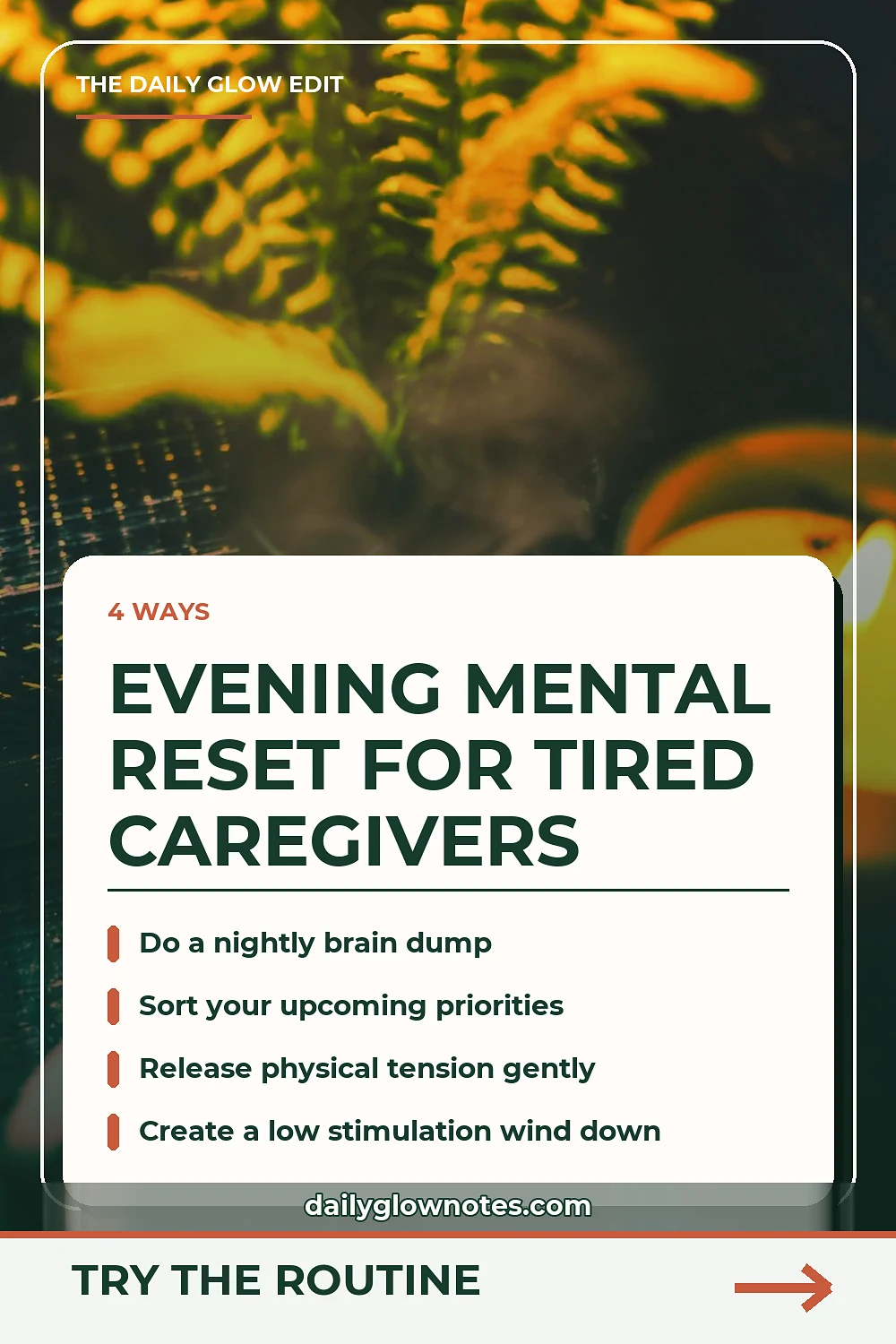
Our brains are magnificent problem-solving machines, but they are terrible at knowing when to clock out. Throughout a busy day, we accumulate micro-stressors, half-finished tasks, and emotional reactions. Without a deliberate decompression ritual, these residual thoughts collide the moment stimulation drops in a dark room. Writing acts as an external hard drive for your psyche. When you commit vague worries to specific ink, you reduce their emotional charge. You take abstract, looping anxieties and turn them into manageable, concrete items that can wait until tomorrow.
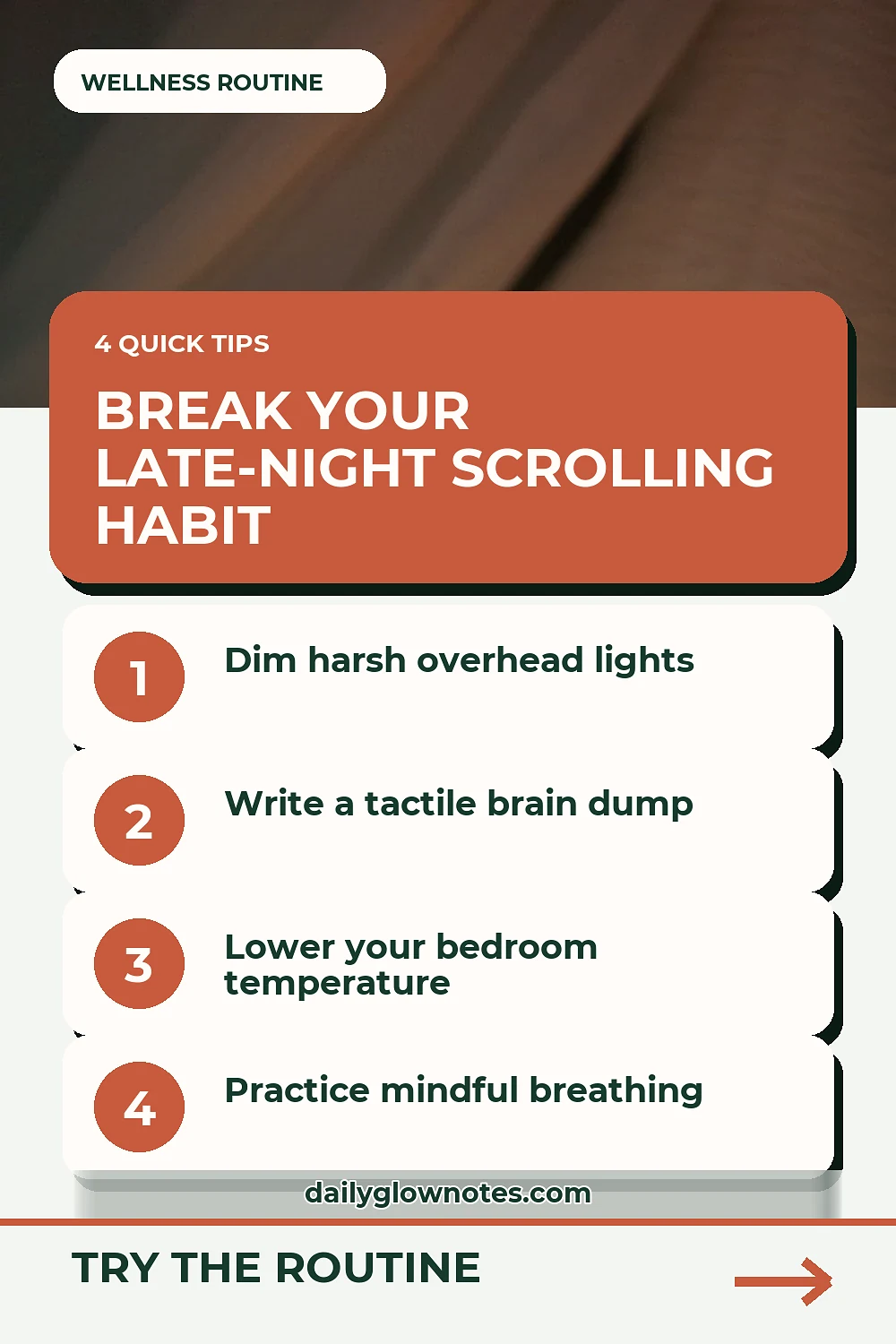
Building a low-stimulation sanctuary is essential during this process. Turning off bright overhead lights, sipping a warm caffeine-free beverage, and putting your phone in another room sets the stage. If you need inspiration for crafting a genuinely peaceful evening environment without spending money, check out our guide on a shopping free relaxation toolkit using household items for busy evenings. This kind of mindful preparation helps shift your body out of a high-alert state and into a receptive, restful rhythm.
Category One: Releasing Daytime Cargo
The first step in clearing your mind is letting go of the events that have already happened. These prompts focus on catharsis and acknowledgment, ensuring you don't carry unresolved tension into your dreams.
- What is the single heaviest thought I am carrying from today that I am ready to put down?
- If I could hand one unfinished task over to tomorrow morning self, what would it be?
- What went wrong today, and more importantly, is there anything left about it that I can control right now?
- What is an unexpressed emotion from the past twelve hours that I need to acknowledge before I can rest?
- Which boundary did I struggle to hold today, and how can I forgive myself for it?
Category Two: Reality-Checking and Perspective
Nighttime anxiety often magnifies our problems, making worst-case scenarios look entirely probable. This second set of prompts helps ground your thoughts in reality, separating actual pressing issues from late-night exaggerations.
- Am I trying to solve a problem right now that actually requires sleep instead of an immediate solution?
- What is the difference between a genuine priority for tomorrow and a productivity anxiety spiral?
- If a trusted friend had my exact thoughts right now, what gentle advice would I offer them?
- What evidence do I have that my biggest current worry will matter a month from now?
- What is one uncomfortable truth I am fighting against that I simply need to accept for tonight?