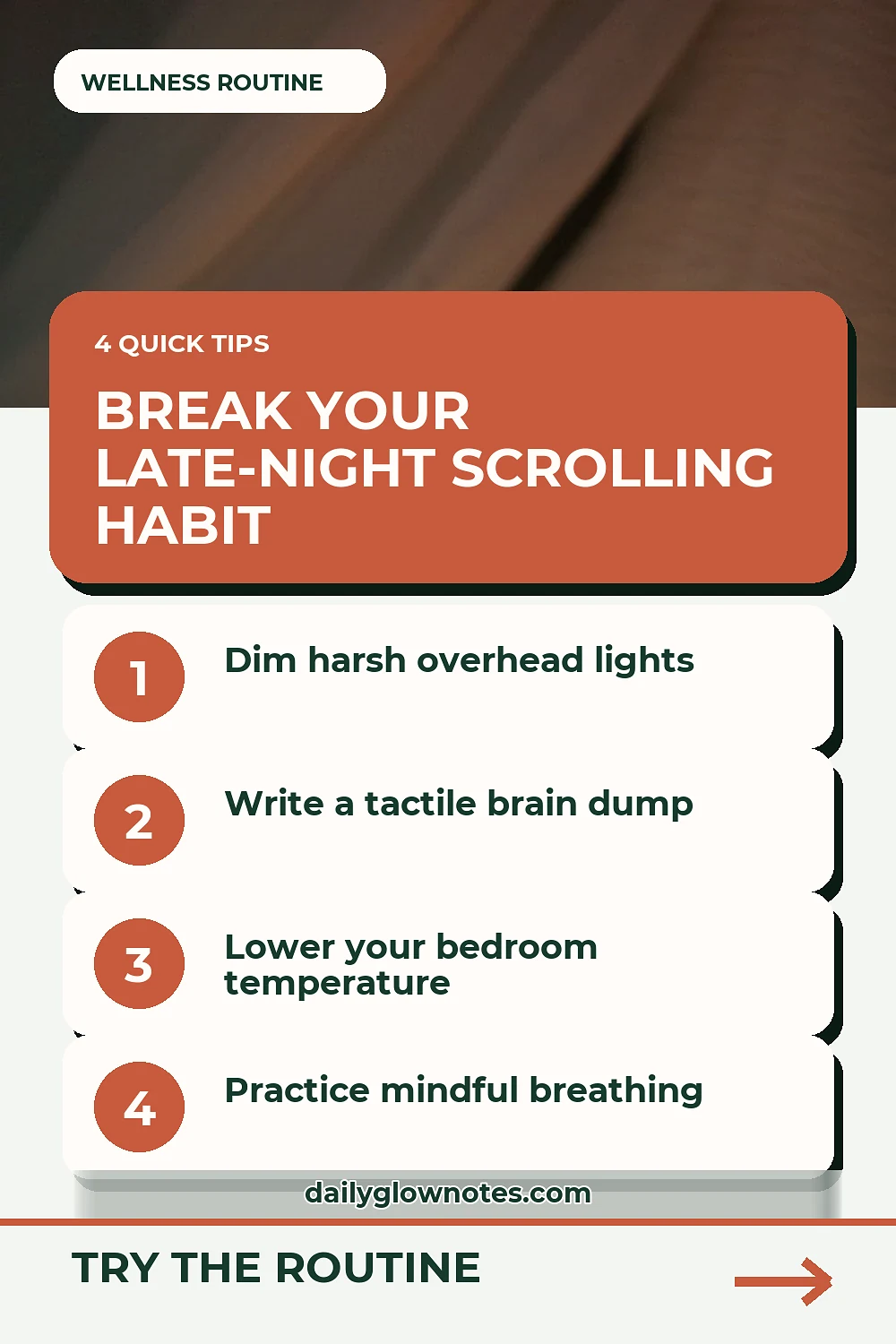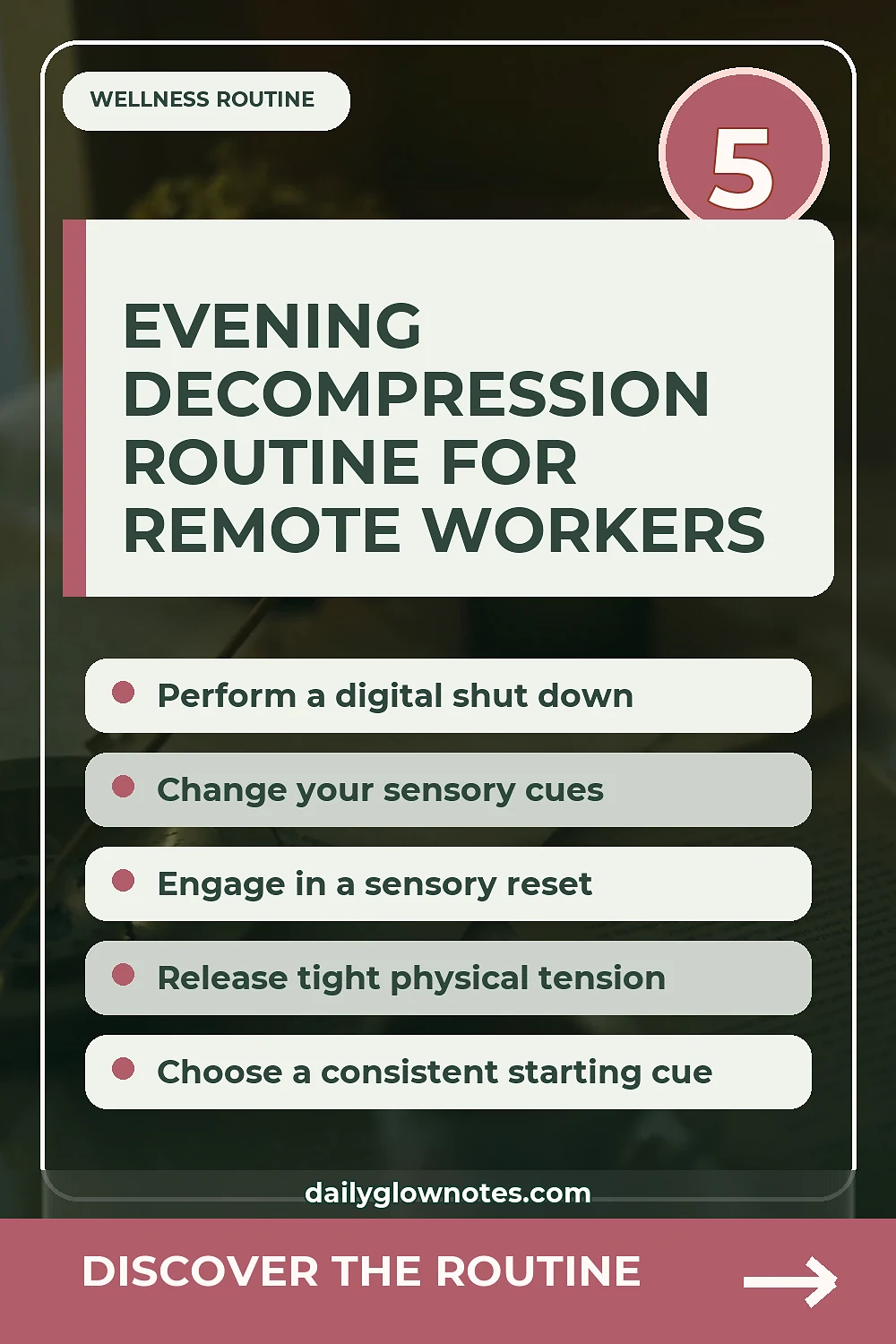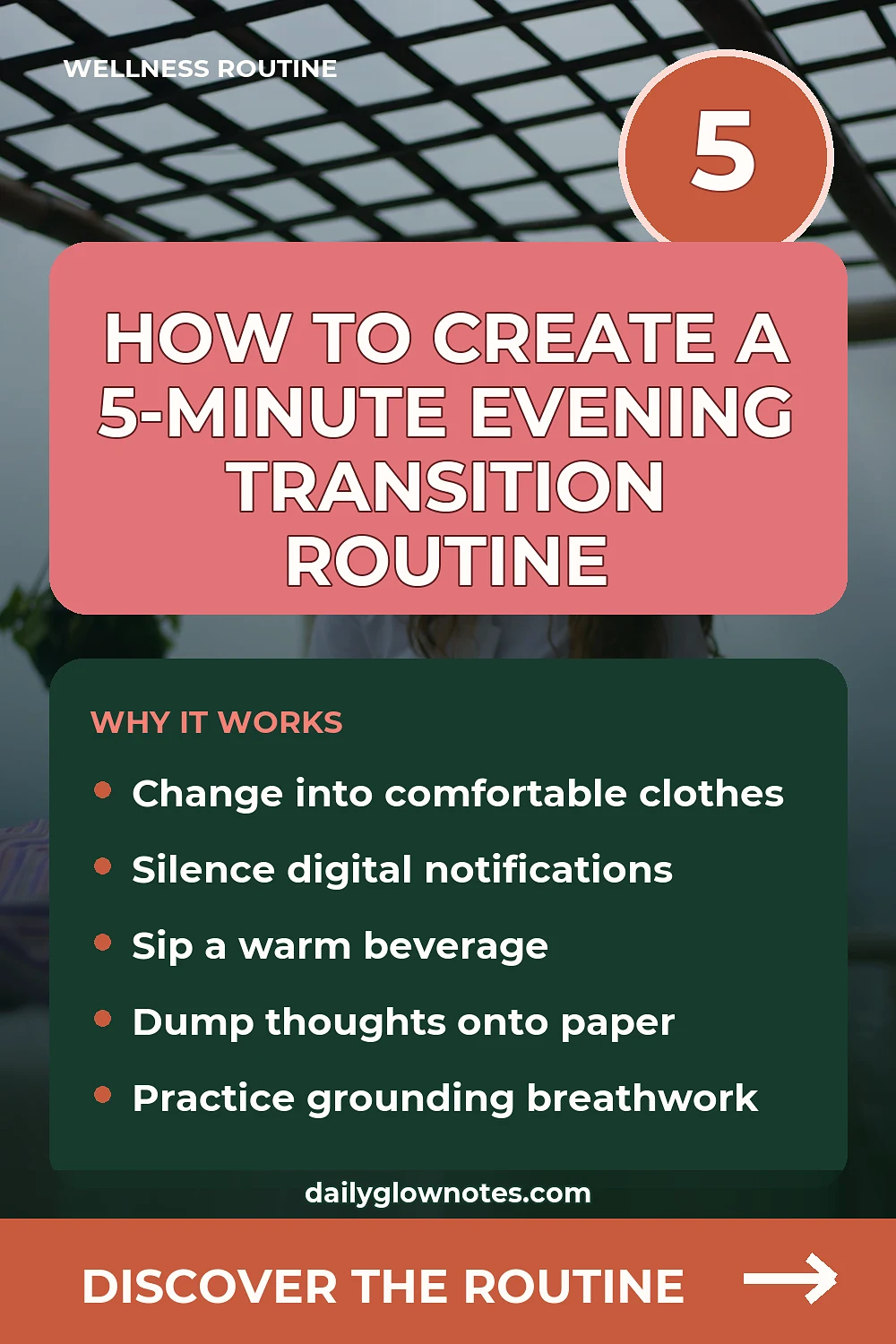

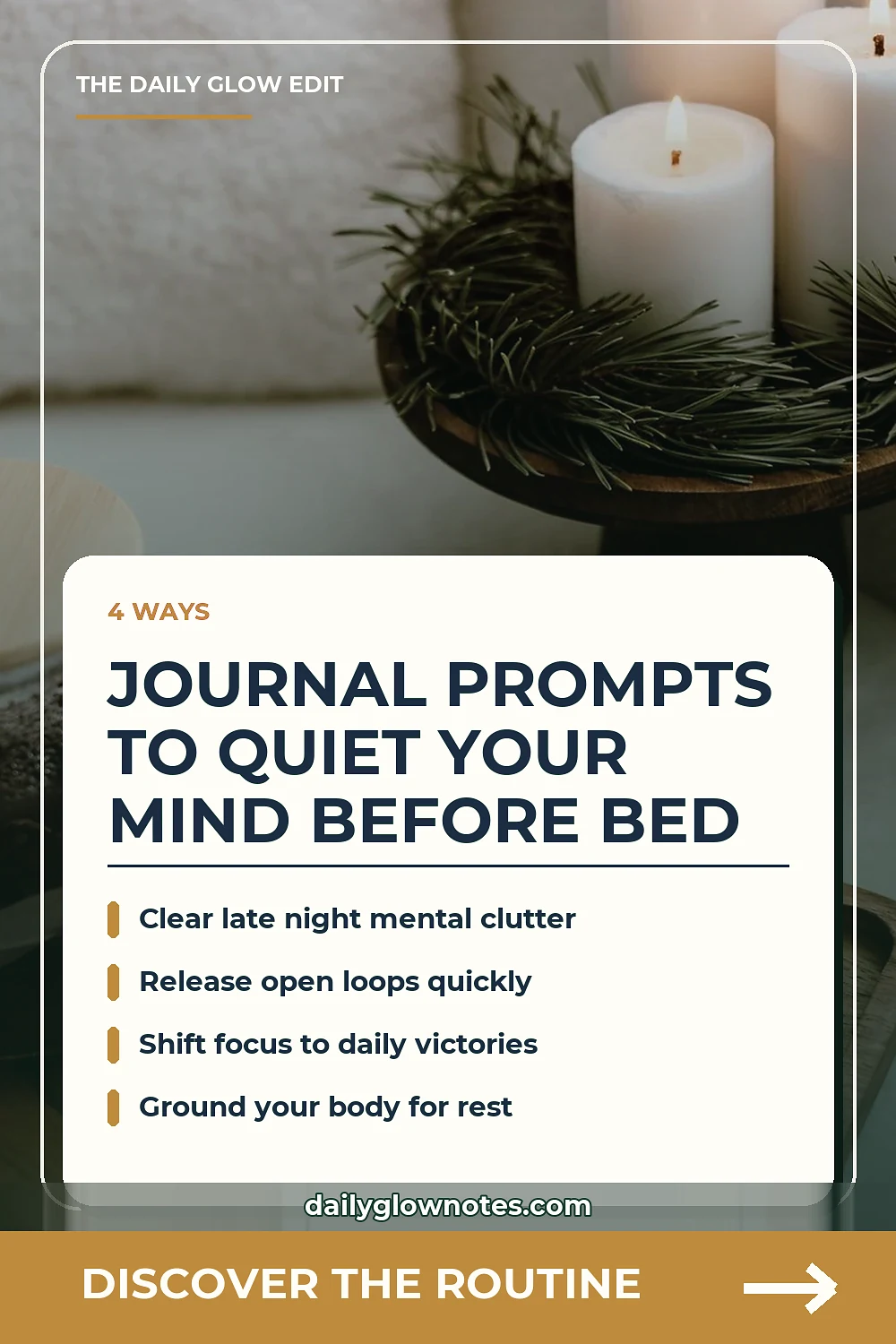
The moment your head hits the pillow, your body might feel exhausted, but your mind suddenly wakes up to replay every conversation, unread email, and item left on your to-do list. When your brain refuses to switch off after a demanding workday, trying to force yourself to sleep often creates even more frustration. Establishing a structured journaling routine with targeted evening mindfulness prompts for racing thoughts can act as an intentional signal to your nervous system that work is officially over and it is safe to rest.
Instead of endless free-form venting, a targeted evening journaling process helps organize mental clutter. By externalizing your thoughts into clear categories, you give your brain permission to let go of tomorrow's responsibilities and settle into the present moment.
The Psychology of the Evening Mental Dump
When you carry unfinished business in your short-term memory, your brain experiences cognitive load. This mental strain keeps your internal alert system active, making it difficult to transition into a calm, restorative state. Journaling before bed acts as an external storage system for your mind. Once a thought is written down on paper, your brain no longer feels the pressure to constantly rehearse or remember it throughout the night.
Using structured prompts rather than a blank page prevents you from spiraling into repetitive worrying. A focused approach guides your attention away from abstract anxieties and directs it toward concrete reflection, self-compassion, and practical closure.
Step 1: The Brain Dump to Release Open Loops
The first stage of this evening routine focuses on clearing immediate mental clutter. Open loops—such as forgotten errands, pending responses, or upcoming deadlines—are often the primary triggers for late-night racing thoughts.
Set a timer for three minutes and answer these initial prompts without overthinking or editing your response:
- What tasks or thoughts are currently circling in my head? Write down every single item, no matter how small, until your mind feels lighter.
- What can realistically wait until tomorrow morning? Group your worries into actionable items for the next day and non-actionable items that require no immediate attention.
- What is one thing I am officially choosing to put down for tonight? State clearly what you are releasing until sunrise.
By defining boundaries between today's duties and tomorrow's responsibilities, you establish a clear transition out of work mode.