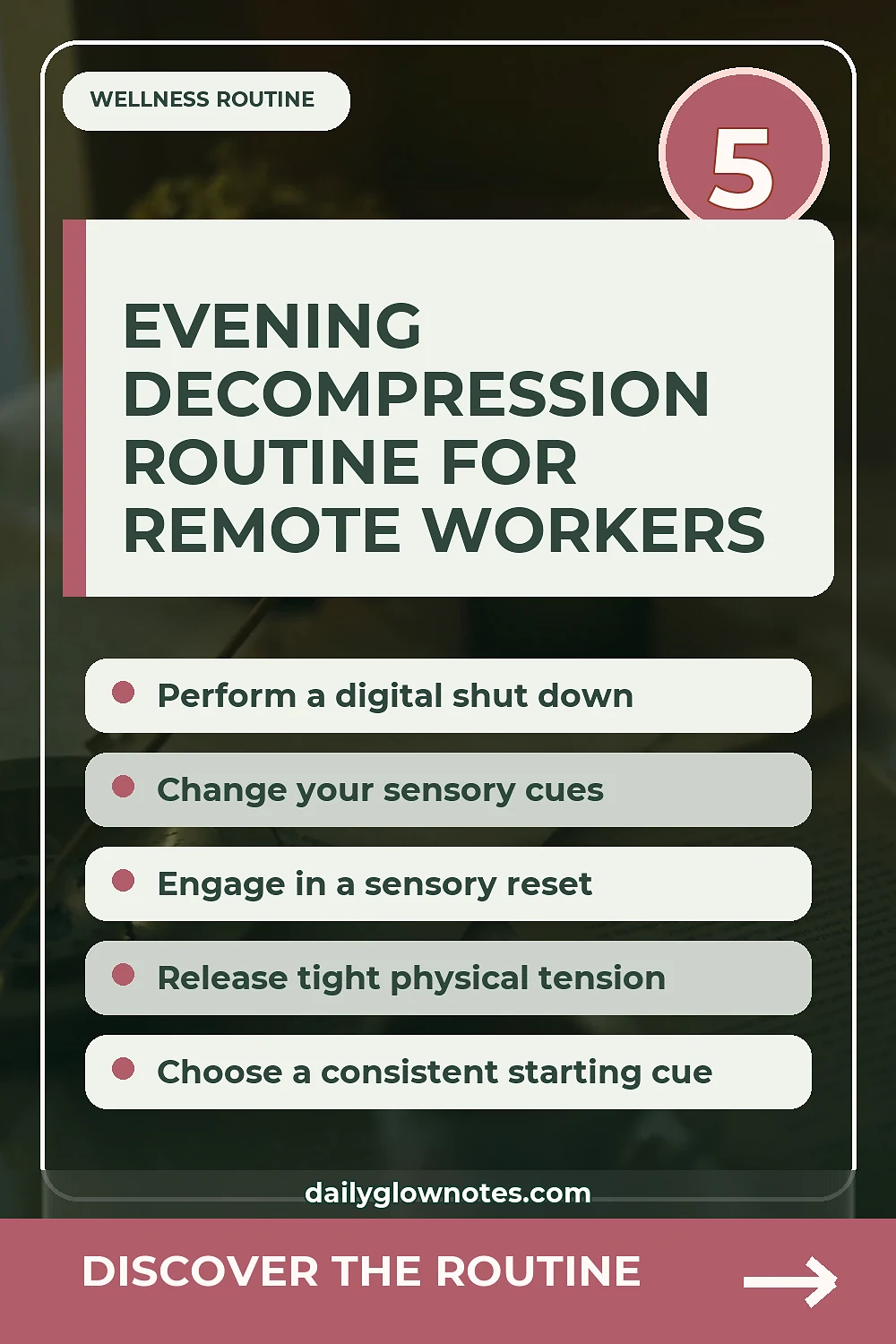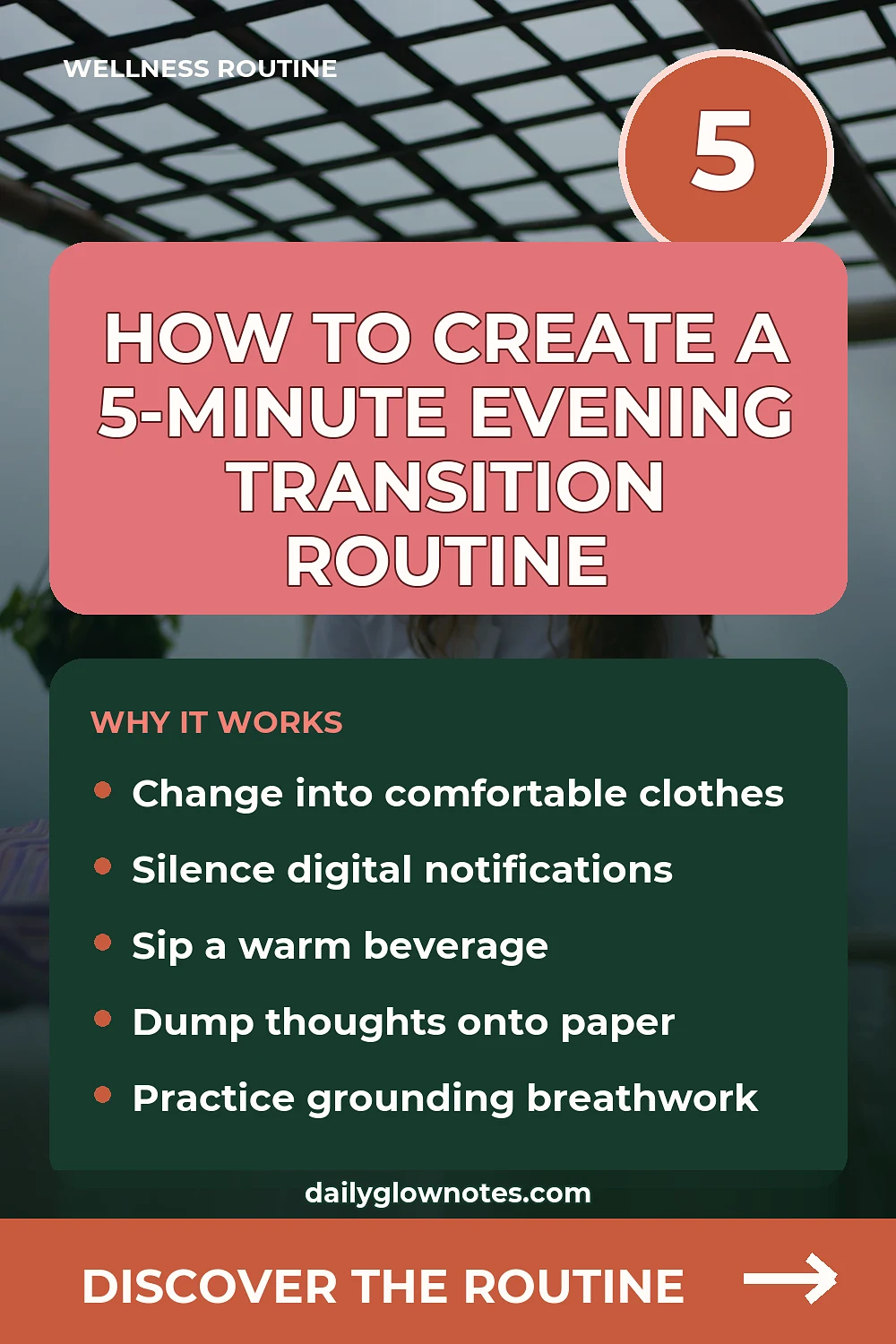

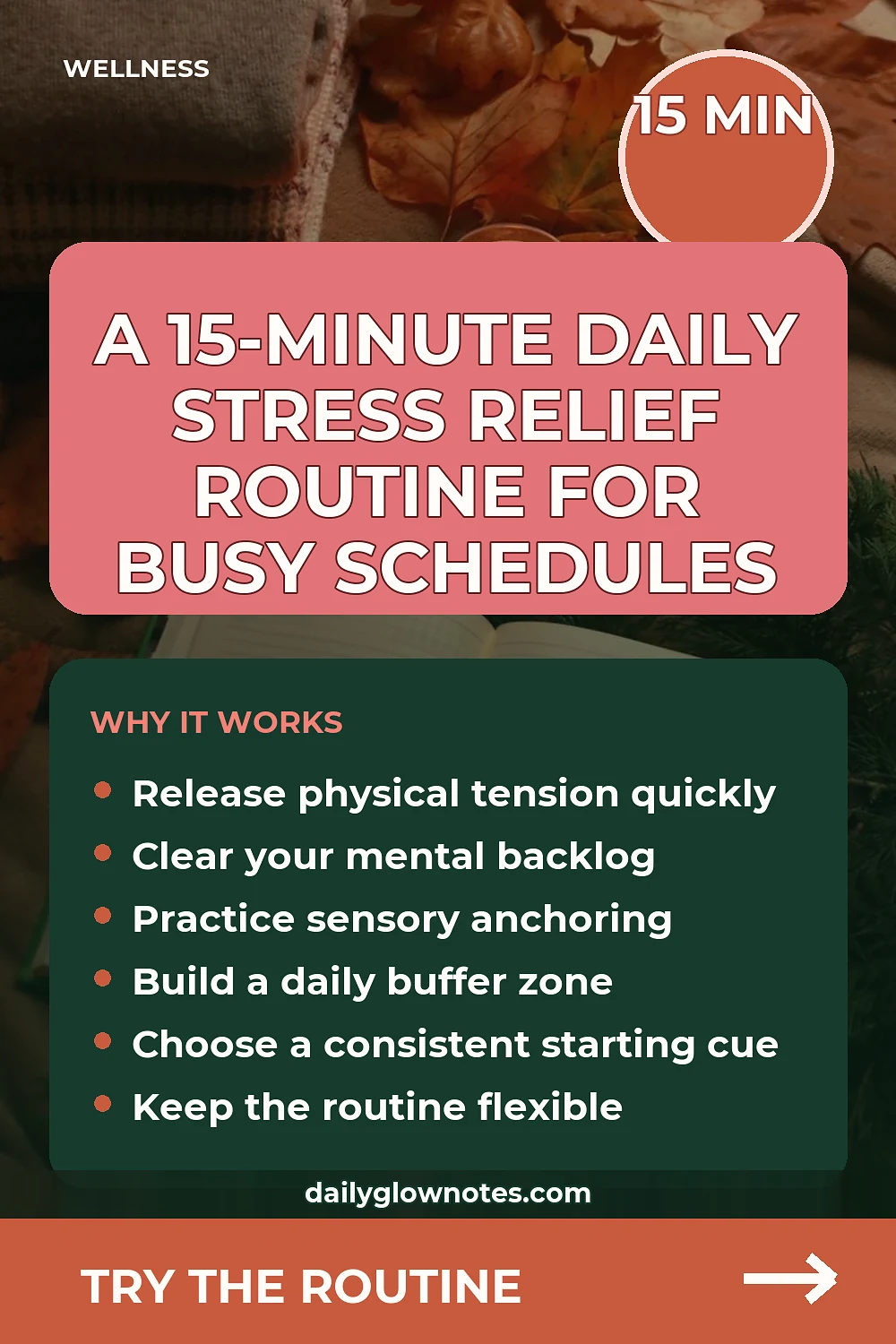
Between back-to-back meetings, household management, and the constant hum of digital notifications, finding an hour for self-care often feels like just another task on an impossible to-do list. When your schedule is packed to the brim, traditional wellness advice telling you to unplug for an hour of meditation or take a mid-day bath simply doesn't align with reality. Instead of adding more pressure to your day, the secret to staying grounded lies in micro-routines—small, deliberate pauses that slip seamlessly into the gaps of your existing schedule.
Designing a manageable wind-down habit does not require overhauling your life. By breaking relief down into manageable chunks, you can train your nervous system to release tension without carving out a massive block of uninterrupted time. Here is how to construct a sustainable fifteen-minute daily rhythm that respects your busy life.
The Anatomy of a Fifteen-Minute Reset
When stress accumulates throughout the day, your body stays in a low-grade state of high alert. Muscles tighten, breathing becomes shallow, and focus fragments. To counteract this without losing valuable time, you need a sequence that hits physical, mental, and environmental triggers all at once. Think of this routine as a circuit breaker for your day. It is not about achieving absolute stillness; it is about signaling to your brain that it is safe to downshift.
If mornings tend to derail your peace before you even open your laptop, you might benefit from starting earlier with 3 Tiny Resets for Morning Inbox Overload Before It Takes Over, which helps establish a calm boundary before distractions pull you in different directions.
Minute 0 to 5: Physical Decompression
The first five minutes should focus entirely on your physical envelope. Stress lives in the body, long before our minds consciously register overwhelm. Drop your shoulders away from your ears, unclench your jaw, and consciously soften your facial muscles. Many people find it helpful to pair this physical release with a warm beverage, holding a ceramic mug to ground the sense of touch and anchor attention in the present moment.
During this phase, you are not trying to clear your thoughts. Let thoughts drift past like clouds while you focus on slow, deliberate exhales. Lengthening your exhale relative to your inhale is a physiological switch that gently taps the brakes on your sympathetic nervous system.