
A quiet morning often feels like an endangered species. Before your feet even touch the floor, the mental checklist begins its relentless hum. Your phone screen glows with overnight notifications, the calendar demands your attention, and the gentle quiet of the early hours is instantly swallowed by anticipation of the day's demands. It is easy to feel as though we are constantly chasing peace, treating it as a distant destination we will finally reach once our to-do list is completely cleared.
True calm rarely arrives in a grand, dramatic shift. Instead, it is built incrementally through the tiny, overlooked moments that occur between our daily tasks. By shifting our focus to the small sensory details of our immediate environment, we can train our nervous systems to find a sense of safety and ease in the present moment. Cultivating this everyday mindfulness does not require hours of silent meditation; it simply requires a willingness to notice the simple gifts already surrounding us.
The Power of Micro-Moments in Your Morning Routine
How we choose to interact with the first hour of our day sets the tone for our entire stress response. When we rush through our morning on autopilot, we signal to our bodies that we are already running late, triggering a subtle but persistent state of fight-or-flight. You can learn more about how small adjustments in your early schedule impact your wellbeing in our guide on How to Find Peace in the First Ten Minutes of Your Day.
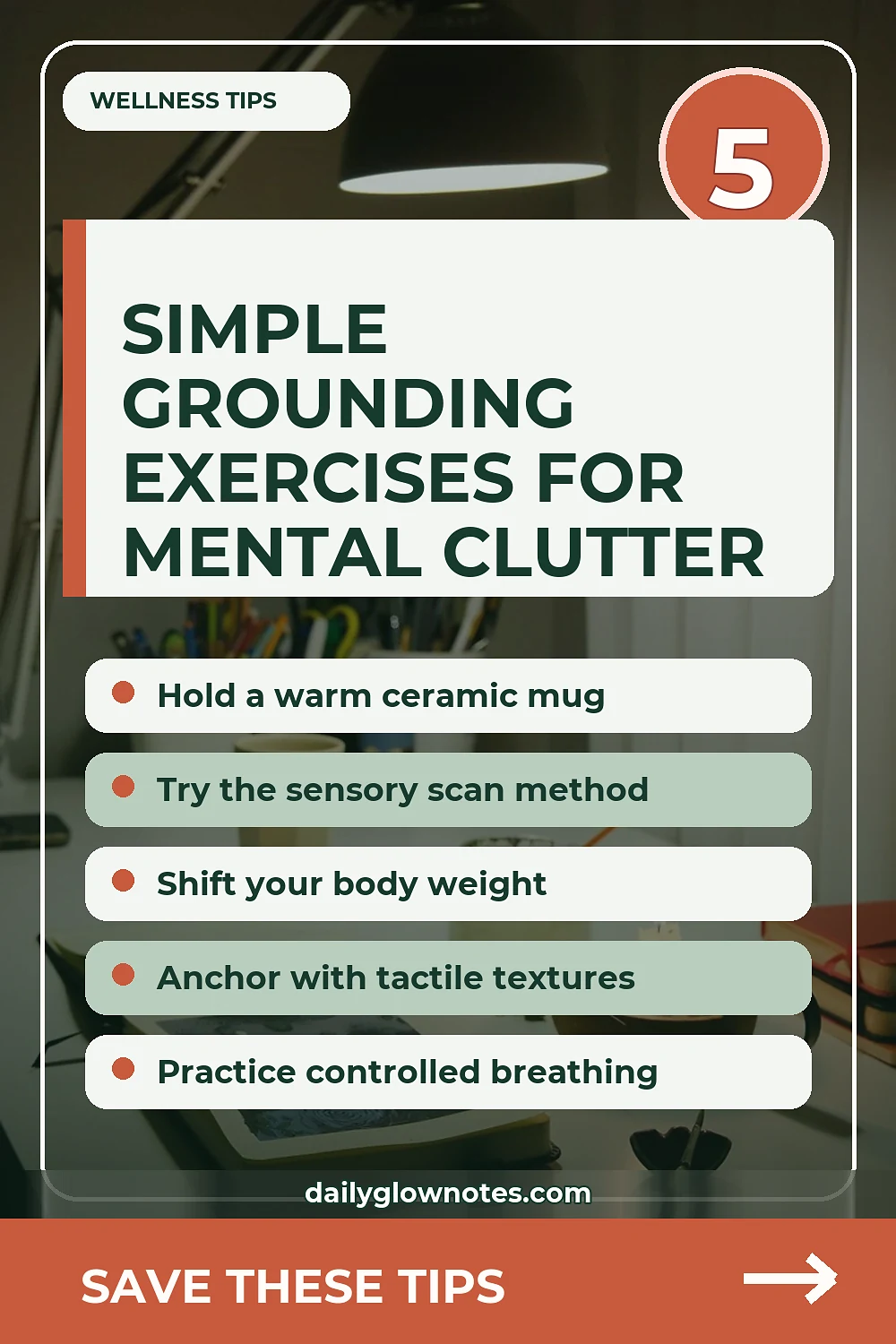
Creating a grounding morning ritual can be as simple as changing how you hold your morning beverage. Instead of scrolling through emails while gulping down coffee, try sitting quietly with a warm ceramic mug. Feel the heat transferring to your palms. Watch the steam rise and curl into the soft morning light streaming through the window. Take three slow, deep breaths before your first sip. This simple sensory anchoring takes less than two minutes, yet it provides a reliable psychological anchor that tells your mind it is safe to slow down.
Rewriting Your Relationship with the Alarm Clock
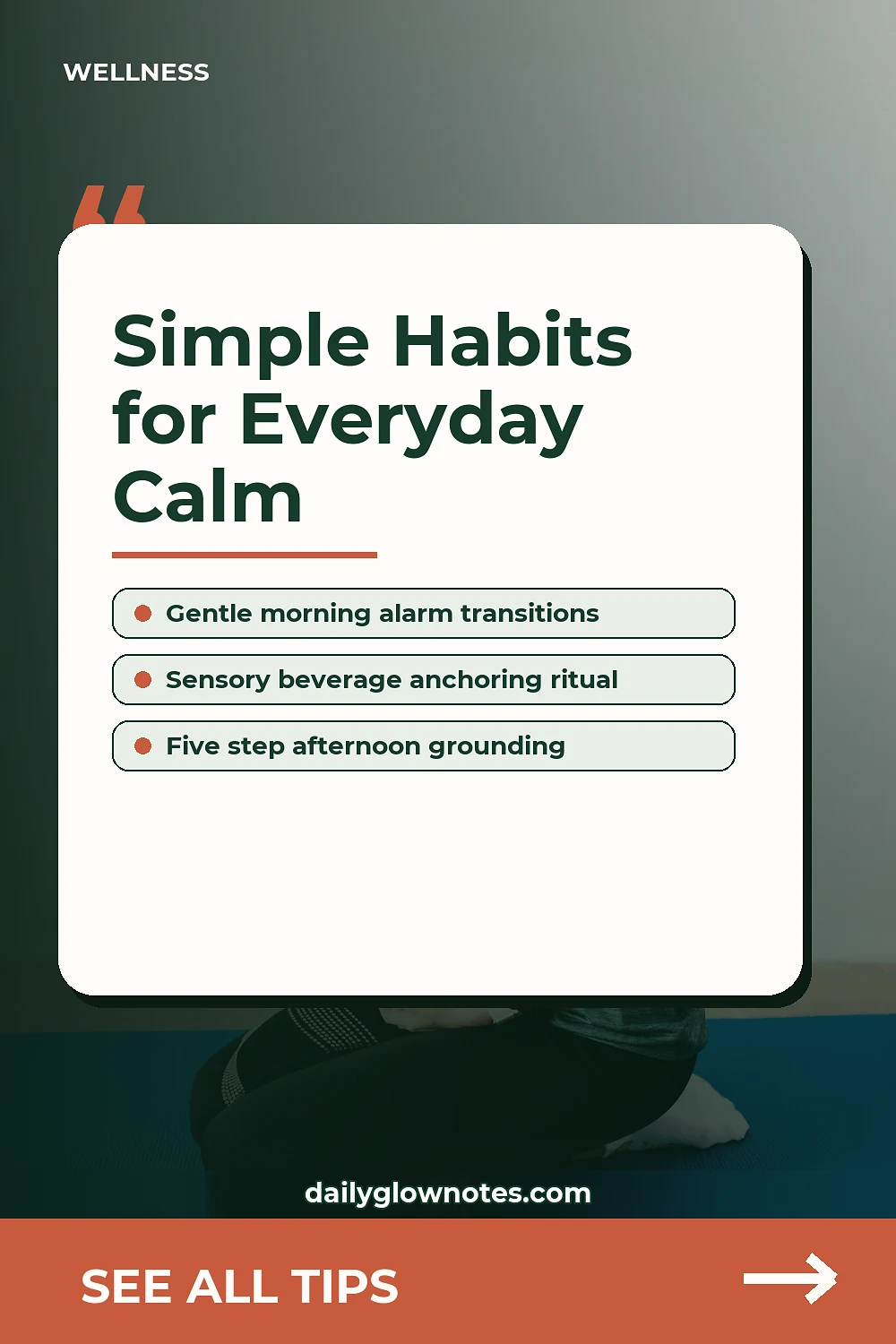
For many of us, the very first stressor of the day is the jarring sound of an alarm. This abrupt transition from deep sleep to sudden alertness can leave us feeling frazzled before we have even opened our eyes. When we repeatedly hit snooze, we fragment our sleep and create a lingering mental fog that amplifies our vulnerability to daily stressors. To understand this pattern better, read about how to Stop the Snooze Loop: How Your Morning Alarms Fuel Daily Stress.
To foster a more peaceful transition into your day, consider choosing a gentler alarm sound, such as rising chimes or nature sounds, or utilizing a wake-up light that mimics a natural sunrise. When the alarm sounds, instead of immediately reaching for your phone to check social media or news headlines, give yourself permission to spend sixty seconds simply stretching under the blankets, noticing the comfort of your bed and the rhythm of your breath.
Cultivating Sensory Grounding Throughout the Afternoon
As the day progresses, our mental energy naturally begins to dip, and our susceptibility to frustration rises. This is the moment when we tend to push through the fatigue, relying on caffeine or sheer willpower to sustain our focus. However, taking brief, intentional breaks to engage your senses can restore your cognitive resources far more effectively than pushing forward.
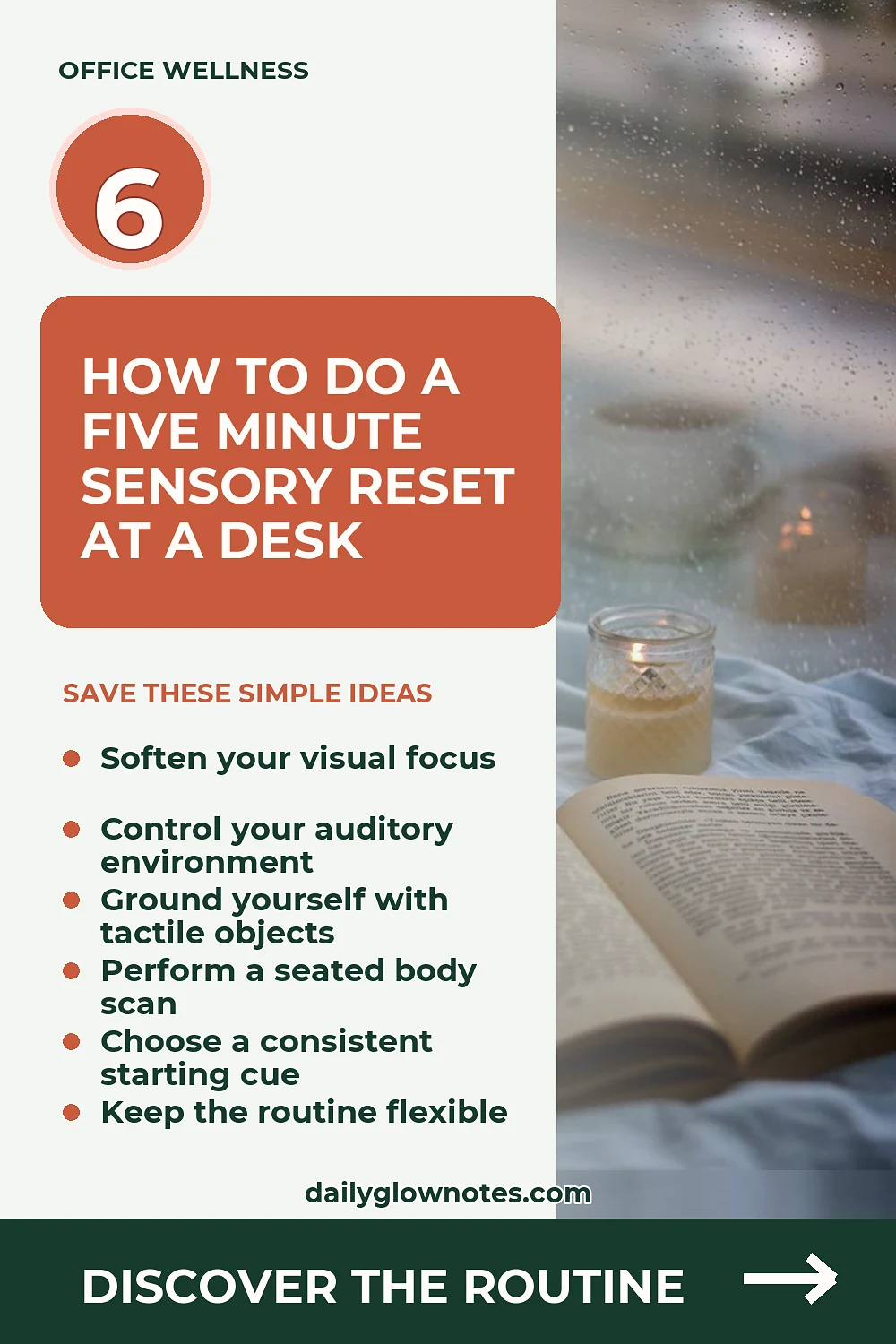
A simple way to ground yourself during a busy afternoon is the 5-4-3-2-1 sensory method. Take a moment to pause at your desk or wherever you are and identify:
- Five things you can see, such as the texture of the wooden table or the movement of leaves outside.
- Four things you can physically feel, like the soles of your feet on the floor or the fabric of your clothing.
- Three things you can hear, perhaps the distant hum of traffic or a bird singing nearby.
- Two things you can smell, like your hand cream or the scent of rain.
- One thing you can taste, such as the lingering flavor of your lunch or a sip of cold water.
- This practice interrupts the cycle of repetitive, stressful thoughts by forcing your brain to process immediate physical reality, bringing you back to the present.