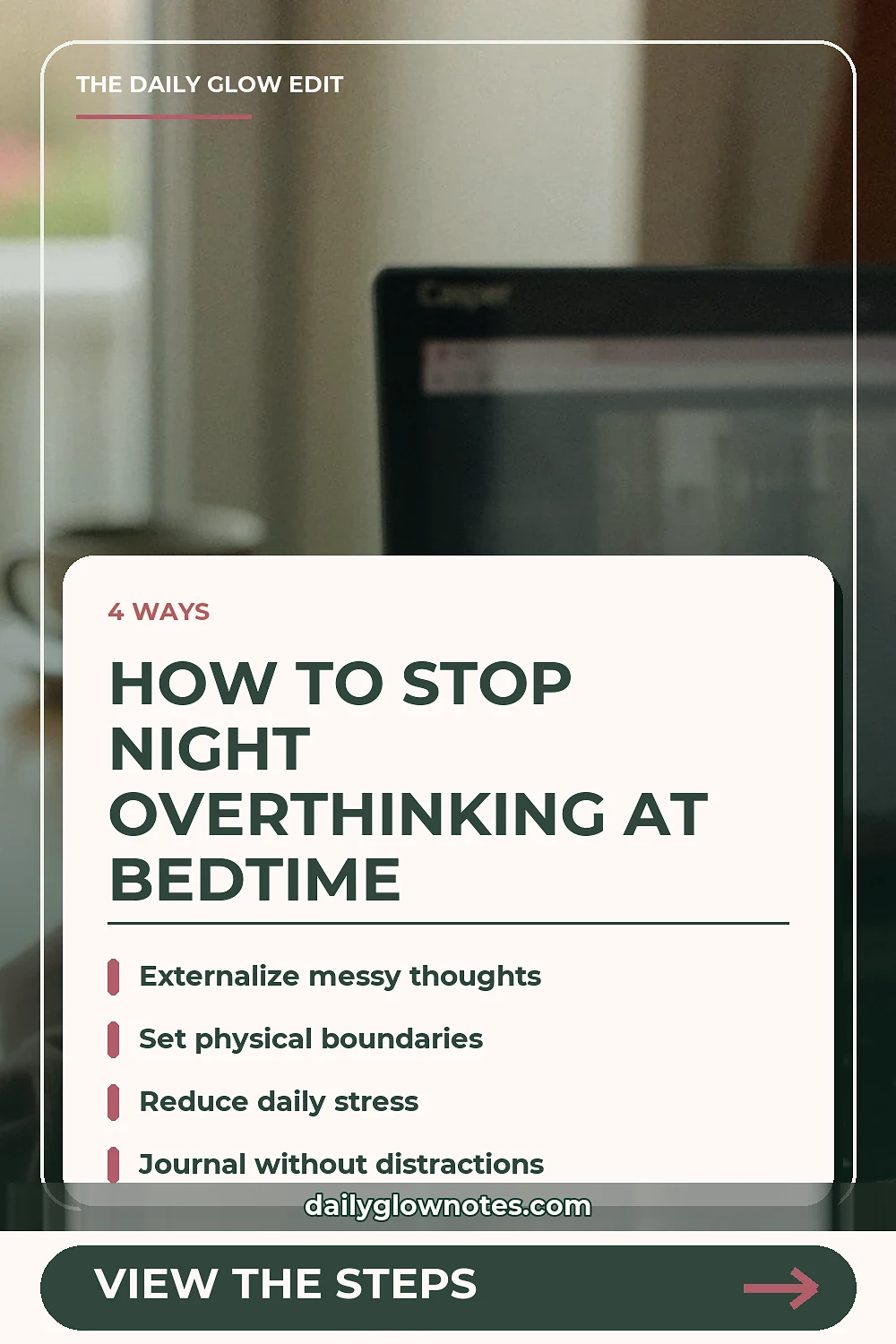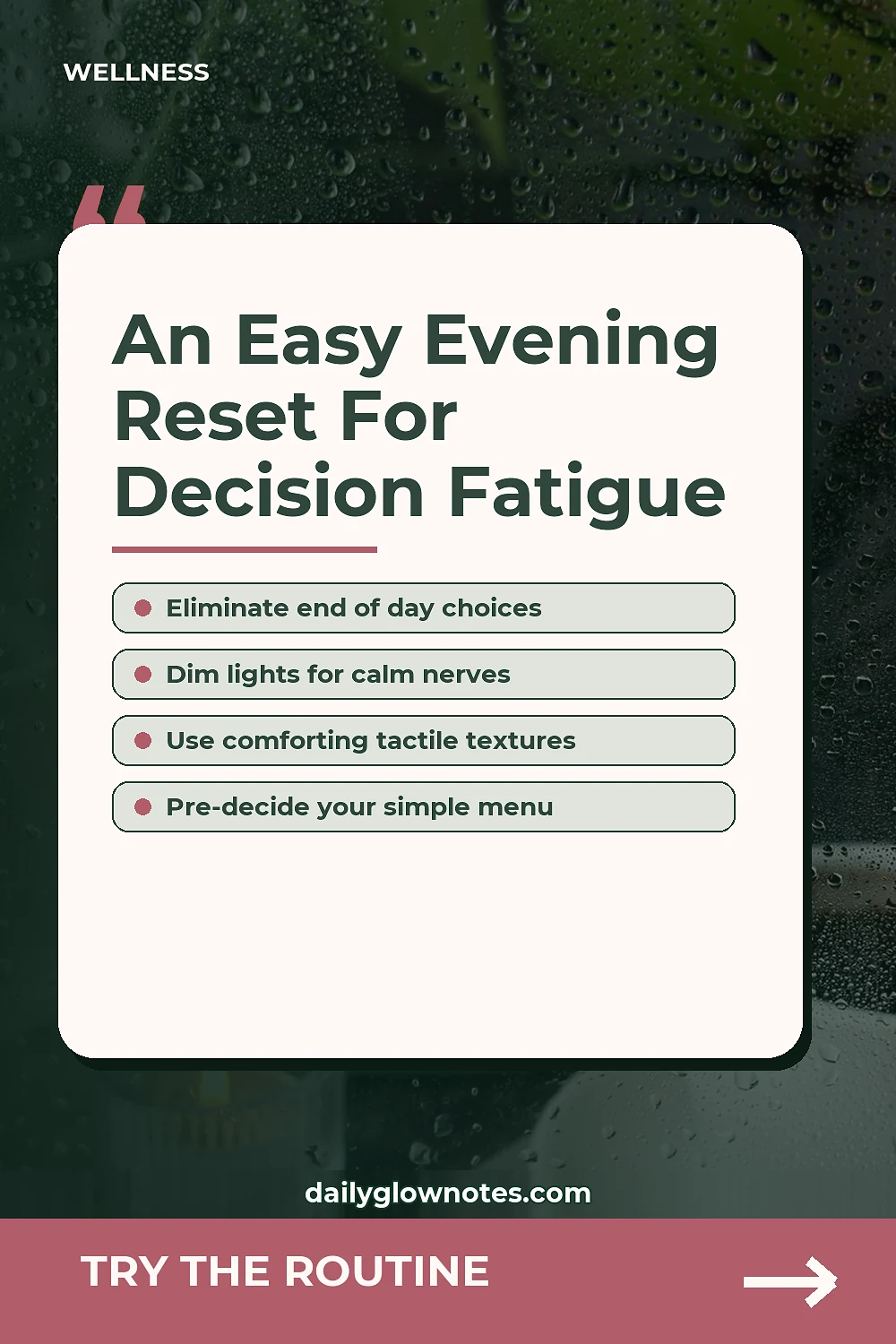

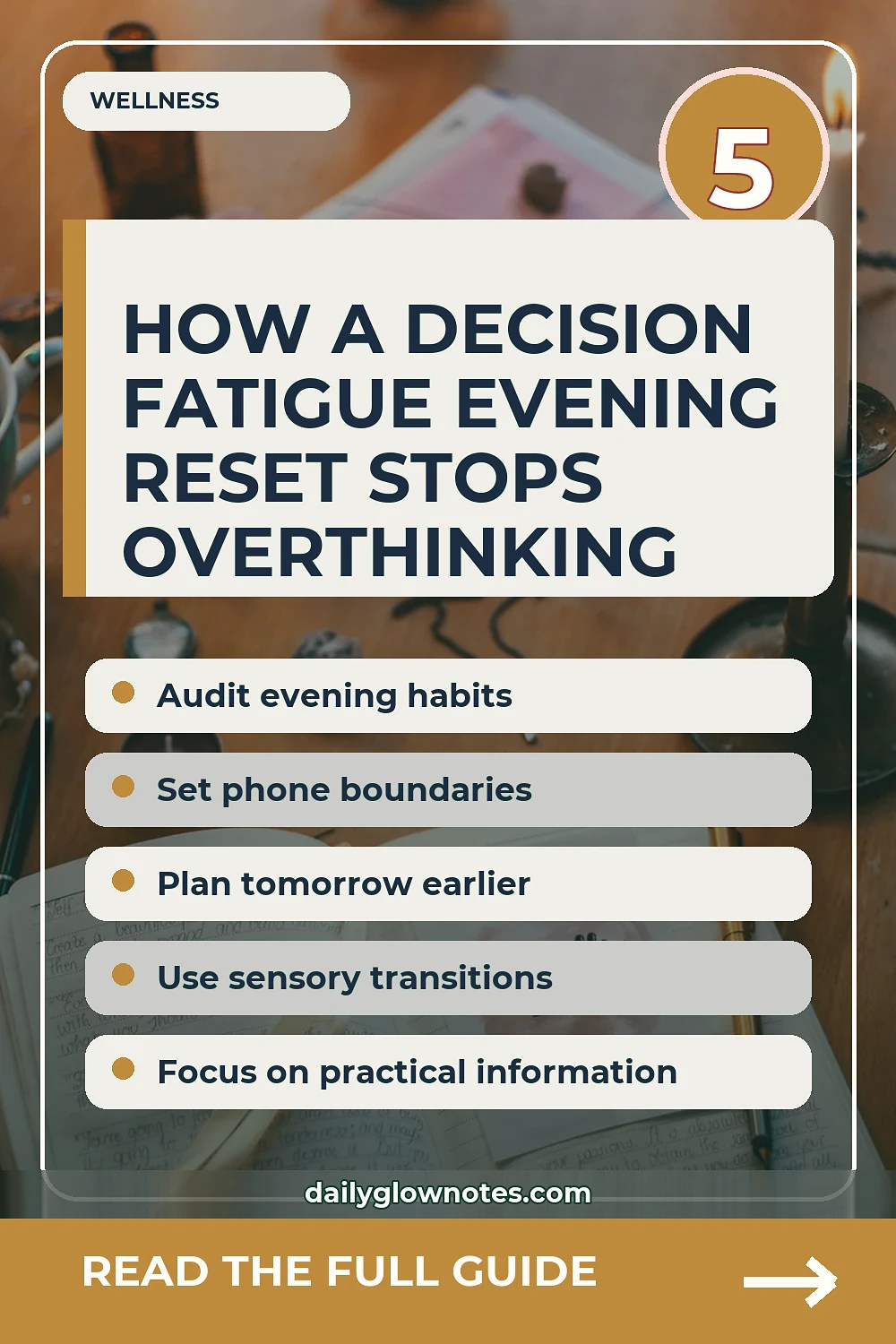
You stare at the ceiling, replaying an innocuous email from three days ago while mentally assembling tomorrow morning's grocery list. Your body is exhausted, yet your brain refuses to switch off. This late-night mental loop is rarely about genuine productivity. Instead, it is the cumulative weight of decision fatigue evening reset challenges—the invisible exhaustion that settles in after hundreds of micro-choices dictated your day. When evening arrives, your cognitive reserve is entirely depleted, leaving you vulnerable to overthinking and persistent restlessness.
Addressing this mental clutter requires more than just trying harder to sleep or practicing forced relaxation. It demands a deliberate audit of how you wind down and protect your remaining energy. By examining the hidden habits that drain your final hours of energy, you can reclaim your evenings as a sanctuary of rest rather than an extension of your workday. This intentional shift allows your nervous system to finally let go of the day's demands.
The Late-Night Scroll That Keeps Your Brain on High Alert
Reaching for your phone the moment you sit on the couch feels like harmless downtime, but your brain processes it as continuous input. Every headline, notification, and curated image requires a split-second evaluation. Should I read this? Do I care about that? Do I need to reply? This micro-decision stream keeps your nervous system mildly activated, tricking your mind into believing the day is still ongoing. When you finally turn off the screen, your thoughts continue to race because they have not received a definitive physiological signal that the day has concluded.
Creating a physical boundary between your devices and your rest space is essential for breaking this loop. Many adults find comfort in leaving their phone in another room entirely and substituting the screen with a tangible object, such as an open journal where you can quickly unload lingering thoughts and creative ideas. For mornings when the digital pull still manages to follow you into the new day, you might appreciate reading 3 Tiny Resets for Morning Inbox Overload Before It Takes Over to establish a calmer tone before checking messages.
Over-Planning Tomorrow Before Today Has Actually Ended
Another silent energy leak is the habit of rehearsing tomorrow's schedule while lying in the dark. You mentally map out meeting times, meal prep, and errands, convincing yourself that this preparation will save you time tomorrow. In reality, it signals to your brain that you are still on duty. Your mind cannot easily distinguish between actively solving a problem during the day and worrying about it while lying in bed at night.
To stop this exhausting cycle, try moving your planning window significantly earlier into the evening, perhaps right after finishing dinner. Writing down tomorrow's top three priorities on a physical notepad allows your brain to file them away safely. Once the ink touches the paper, you are essentially telling your subconscious mind that the information is saved and no longer needs to be actively held in working memory, paving the way for deeper relaxation.