
The Midlife Bedroom Cooling Checklist for Better Sleep becomes easier to understand when the main ideas are organized into practical, realistic steps. This guide explains the core considerations and shows how to apply them thoughtfully in everyday life.
Waking up in the middle of the night feeling overheated can completely derail your rest. For many women navigating perimenopause and menopause, nighttime temperature spikes are an unwelcome part of the routine. When your internal thermostat shifts unpredictably, your bedroom environment becomes your first line of defense. Creating a cooler, more breathable micro-climate can make a profound difference in how deeply you sleep and how refreshed you feel the next morning.
Audit Your Bedding Materials
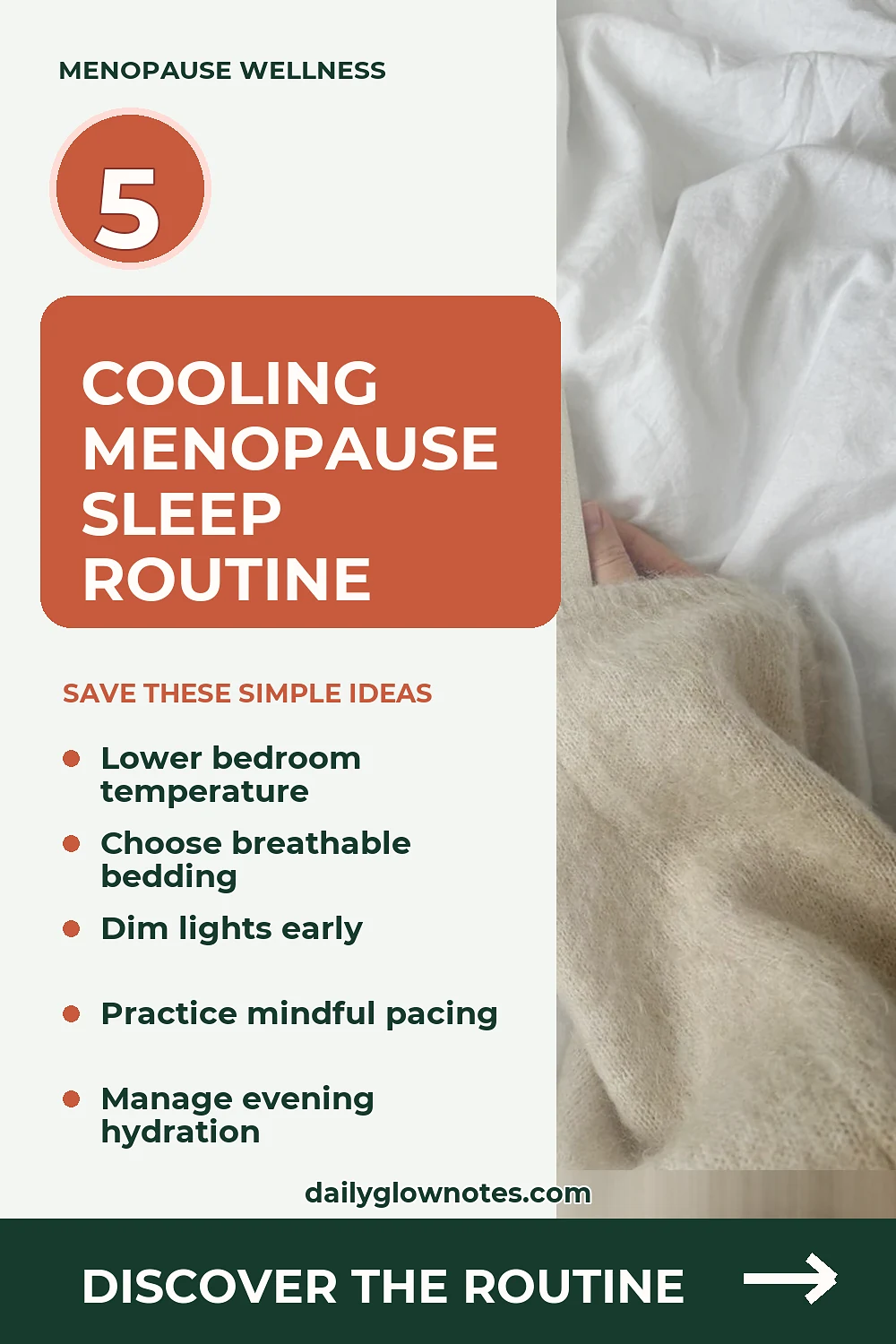
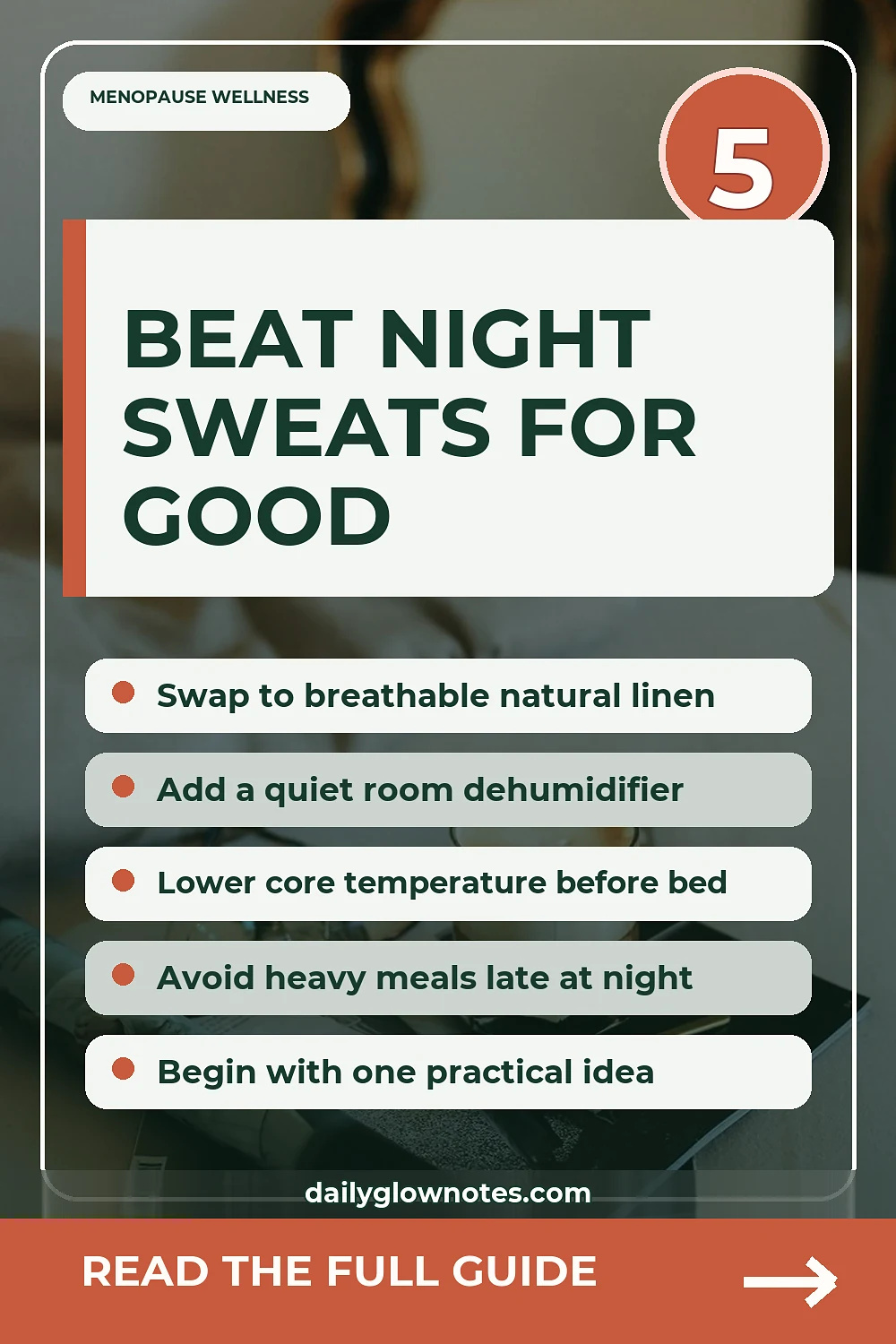
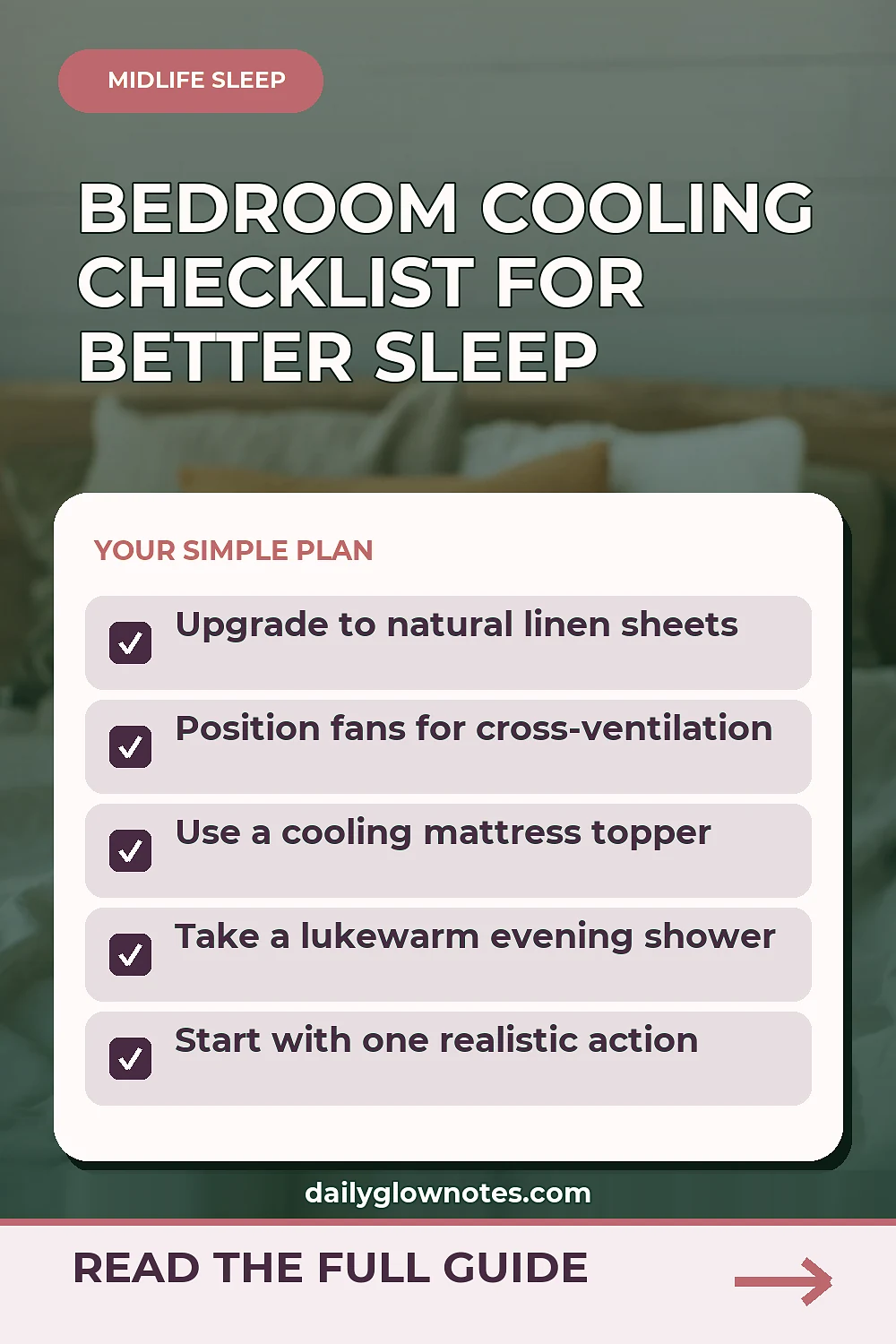
Your sheets and blankets play a direct role in how much heat your body retains while you sleep. Synthetic fabrics like polyester trap heat and moisture, creating a warm micro-climate right next to your skin. Transitioning to natural, breathable fibers like 100 percent linen, percale cotton, or bamboo can dramatically improve airflow. Linen is particularly wonderful for midlife sleep because its natural weave allows air to circulate freely, helping to wick away moisture and keep your skin feeling dry and comfortable through the night.
Consider layering your bedding rather than using a single heavy comforter. This modular approach allows you to easily kick off a light blanket in the middle of the night without waking up fully or disrupting your partner. Swapping out heavy synthetic decorative pillows for lighter, breathable alternatives further reduces the overall heat retention of your bed.
Optimize Airflow and Ventilation
Static air in a bedroom can quickly trap body heat, making the room feel stuffy by 3 AM. Positioning your bedroom fan strategically can help maintain a continuous, gentle breeze. If your window allows, placing a box fan facing outward on one side of the room can pull warm air out while drawing cooler night air in from another open window down the hall. For those who experience daytime fatigue from broken sleep, balancing your daily energy is just as important as nighttime comfort; you might find helpful insights in our guide on Midlife Workday Energy Pacing: Navigating Afternoon Fatigue to help you manage your rhythm from sunrise to sunset.
Ceiling fans should ideally rotate counterclockwise during warmer months to push air straight down, creating a wind-chill effect that cools your skin directly. Keeping interior doors open slightly can also encourage cross-ventilation throughout your living space, ensuring stale air does not accumulate around your sleeping area.
Choose Cooling Sleep Accessories
Sometimes simple adjustments to your pillows and mattress layers can lower your overall contact heat. Memory foam tends to absorb and hold body heat, but adding a cooling mattress topper filled with latex, wool, or gel-infused material can prevent that sinking, overheating sensation. You can also experiment with specialized pillows designed with cooling channels or phase-change materials that remain neutral to the touch. Keeping a chilled silk eye mask or a damp cloth nearby provides an extra layer of immediate relief when a sudden temperature shift wakes you up.
Mattress protectors also matter significantly. Waterproof or vinyl-backed protectors often trap heat and sweat. Upgrading to a breathable, moisture-wicking mattress protector ensures that your investment in a cooling topper is not undermined by a trapped layer of thermal insulation underneath you.