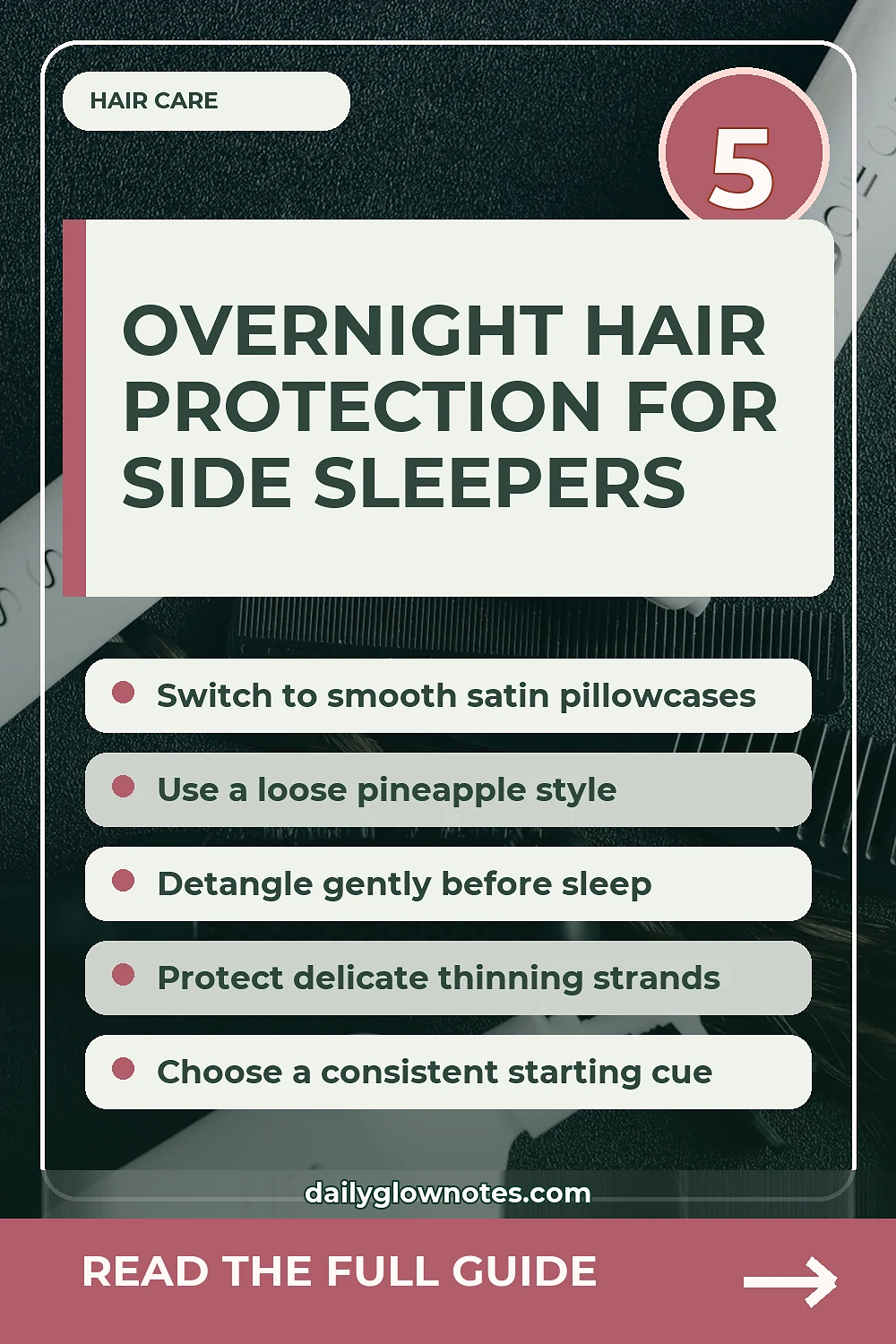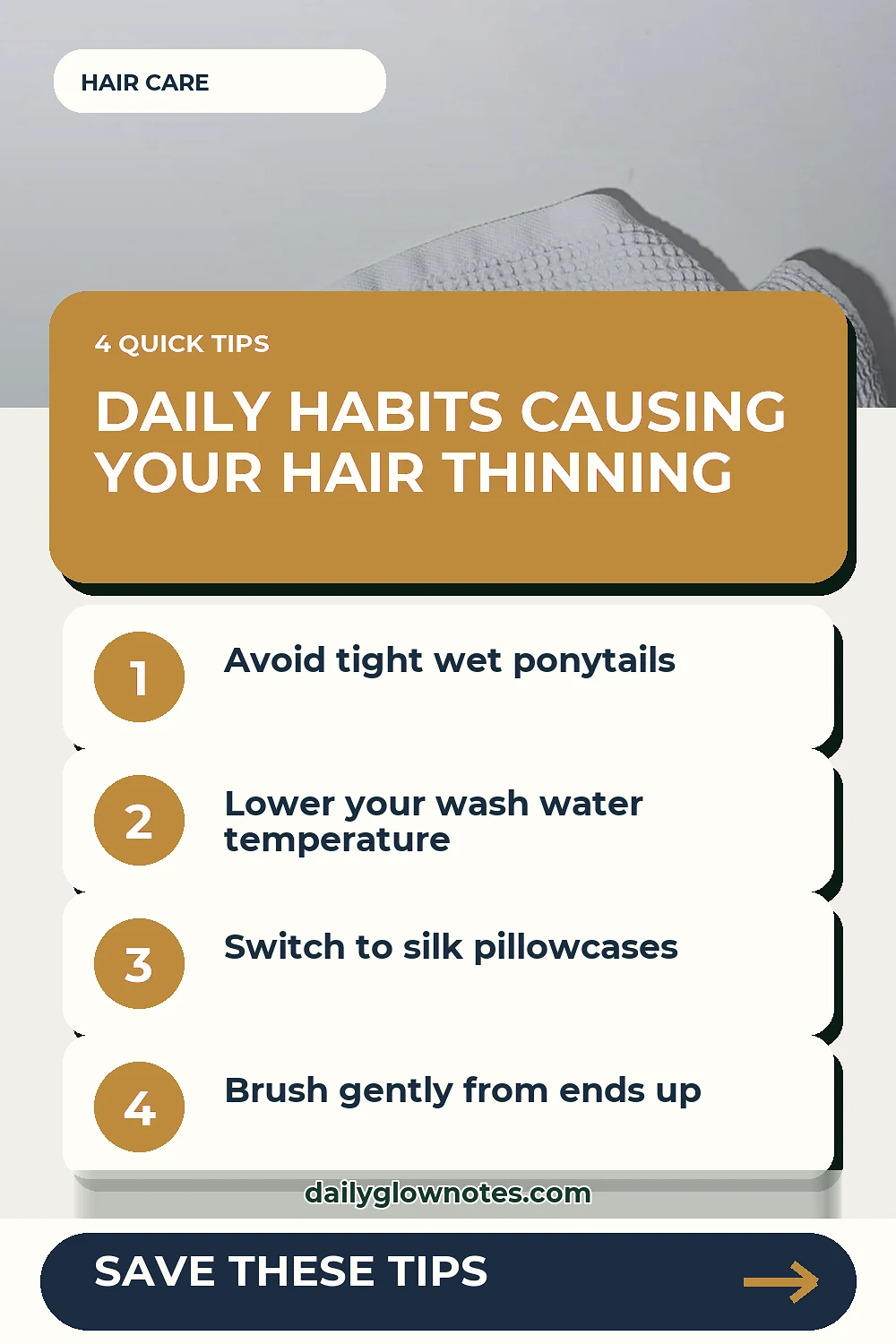

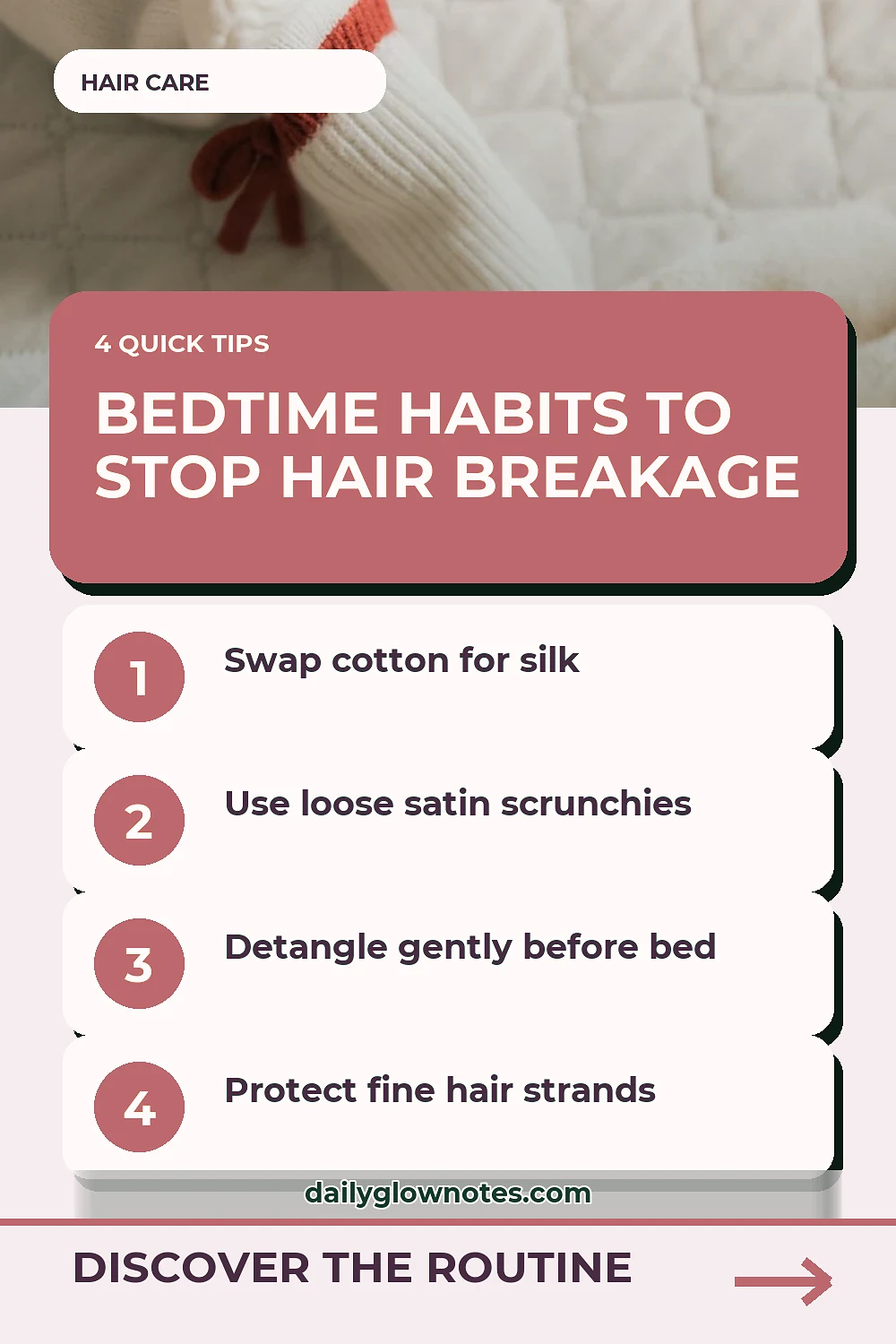
If you have ever woken up to a small nest of broken strands tangled around your pillowcase, you already know that the night can be remarkably harsh on fragile hair. Many women notice that despite investing in expensive shampoos and regular trims, their hair still feels shorter, thinner, and prone to snapping at the ends. Often, the missing piece of the puzzle is not a lack of biological growth speed, but rather the silent accumulation of mechanical friction while you sleep. Implementing a mindful nighttime friction hair protection routine can completely transform how your strands weather the night, helping you retain valuable length and preserve hair integrity over time.
As we navigate fine and thinning hair, every little touch matters. The friction generated between standard cotton bedding and delicate hair cuticles can lift the protective outer layer of the hair shaft, leading to split ends and breakage. By auditing your evening habits and introducing a few low-tension protective measures, you can create a gentle sleep environment that supports your hair goals without complicated or time-consuming regimens.
The Pillowcase Factor: Why Fabric Texture Dictates Breakage
Standard cotton pillowcases feature a surprisingly abrasive surface texture when viewed at a microscopic level. As you toss and turn throughout the night, each movement causes your hair strands to catch and tug against the woven fibers. For women experiencing thinning or weak hair, this constant rubbing creates micro-tears along the cuticle.
Switching to a smooth-surfaced alternative like high-grade mulberry silk or satin significantly reduces this physical drag. These materials allow your hair to glide effortlessly across the surface rather than catching. Beyond simply upgrading your bedding, ensuring your hair is completely dry before sleep prevents the heightened vulnerability that wet hair experiences when rubbing against fabrics. If you enjoy winter accessories during your evening routine, remember the importance of shielding fine hair from wool scarf friction and winter snapping before you even reach the bedroom.
Securing Your Strands Without Tension and Stress
How you tie your hair back for sleep—or whether you tie it at all—plays a massive role in preventing mechanical stress. Tight elastics, rubber bands, or traditional hair ties with metal clasps create high-pressure focal points that snap fragile strands instantly. Even worse, sleeping with hair pulled into a harsh, tight topknot can strain the hairline and contribute to traction fatigue around the temples.
Opt instead for a loose, effortless style held together by a wide silk or satin scrunchie. A loose pineapple pony on the very top of the head or a soft, unbraided fall over the pillow keeps your strands contained without pulling at the roots. The goal is simply to keep your hair from tangling with itself as you shift positions during rest, preserving every millimeter of length you work so hard to maintain.