
Finding little strands of hair on your sweater or noticing mid-shaft snaps in your brush can feel discouraging, especially when you feel like you are taking good care of your locks. If you are identifying daily mechanical hair breakage habits in adult women, the culprit is often hiding in plain sight. Unlike chemical damage from coloring or heat styling, mechanical breakage stems from physical stress and friction. Small, repetitive habits throughout the day can gradually weaken the cuticle, leading to unexpected snapping and thinning over time. Understanding these microscopic stresses is the first step toward reclaiming your hair's natural strength and luster without needing an entirely new bathroom cabinet full of expensive treatments.
The Friction of Rough Towel Drying
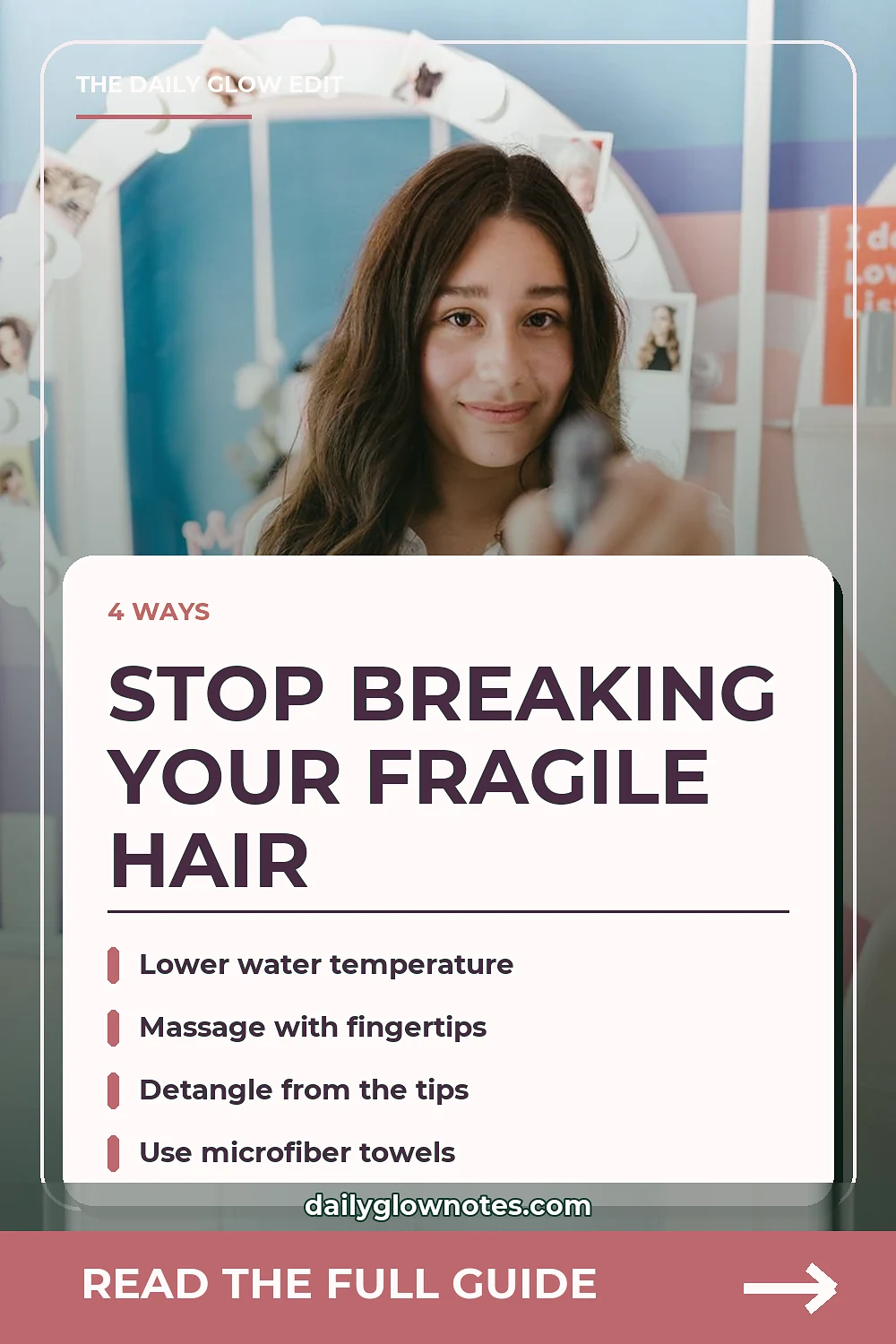
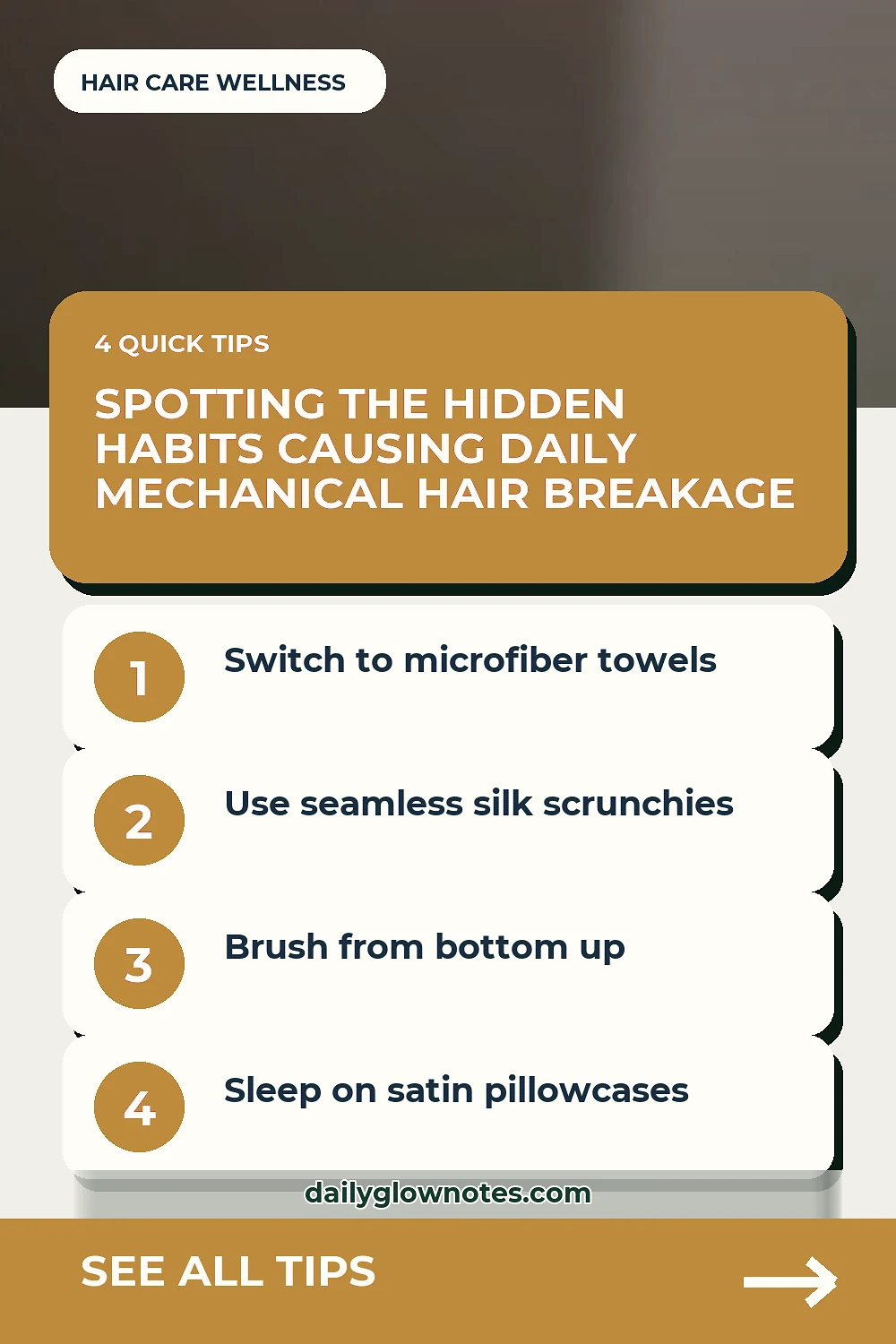
Stepping out of the shower and vigorously rubbing your hair with a standard terrycloth towel is a deeply ingrained habit for many. However, wet hair is in its most fragile and vulnerable state because the water molecules swell the hair shaft and lift the protective outer cuticle layers. The rough loops of a traditional cotton towel catch on these swollen cuticles, creating intense friction that causes strands to stretch, fray, and snap. Transitioning to a gentle micro-fiber wrap or simply blotting and squeezing out excess water using an organic cotton tee-shirt can dramatically reduce this daily physical trauma. Protecting your hair right after washing sets the stage for a stronger, healthier routine. Furthermore, avoiding excessive twisting of the hair turban can prevent unnecessary tension around the hairline where strands are often finest and most susceptible to breakage.
Hardware Hazards and Tight Styles
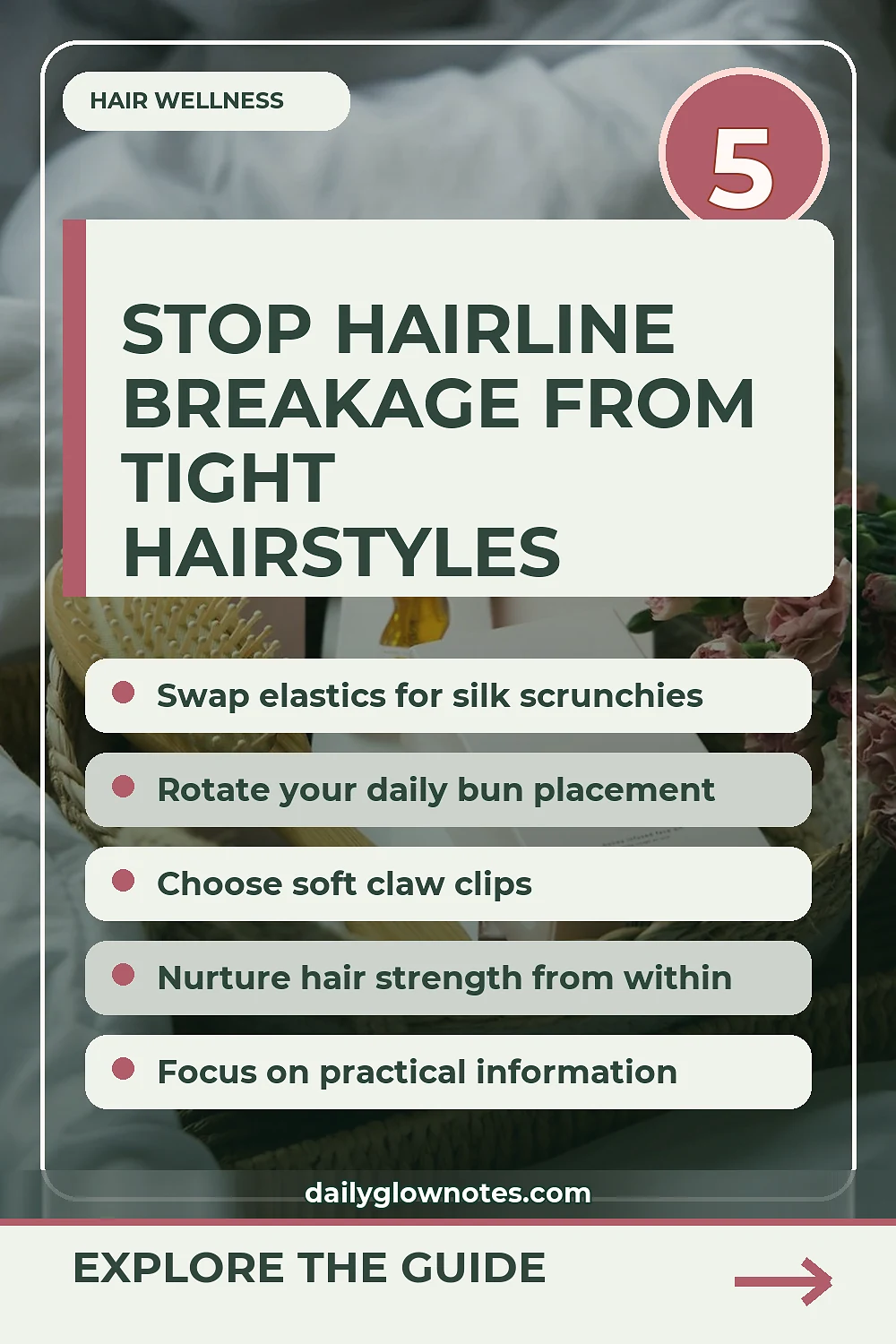
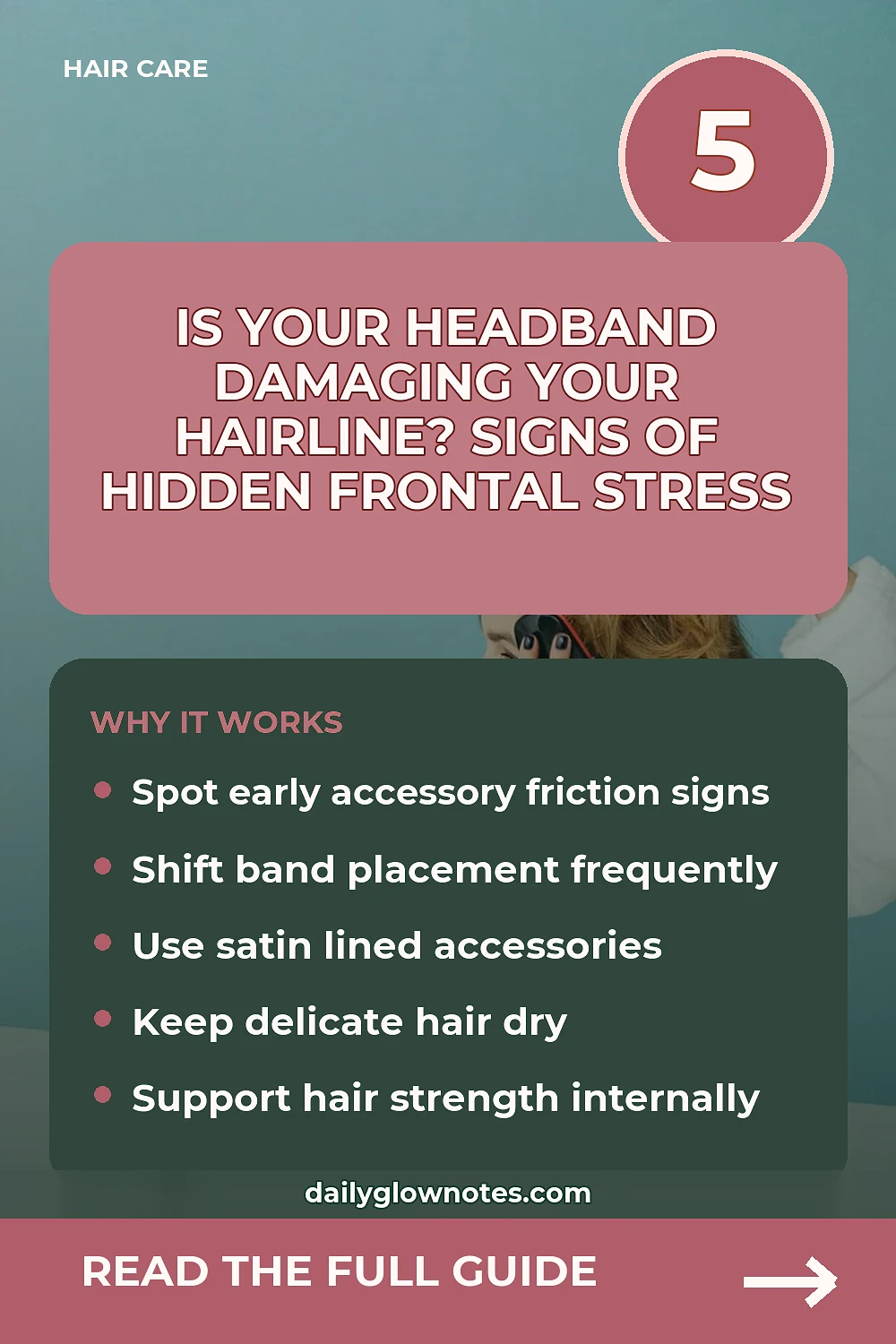
Pulling your hair back into a sleek, ultra-tight ponytail or high bun is a convenient way to get through a busy workday, but constant tension exacts a heavy toll. Elastic bands with metal clasps, rubber bands, or even tight hair ties applied to the exact same spot day after day create a persistent pressure point that compromises elasticity. This friction eventually leads to mid-shaft snapping and traction alopecia over prolonged periods. Exploring softer alternatives like seamless silk scrunchies, spiral telephone-cord ties, or loose claw clips can relieve this localized stress. For those managing fragile strands, taking a look at Hidden Culprits: A Breakage Audit for Women Over 40 offers additional perspective on preserving hair integrity as we age. Varying your hairstyles throughout the week also ensures that no single section of hair bears the brunt of the daily weight and pull.
Mindless Manipulation and Aggression
How we interact with our hair on an emotional or subconscious level also matters deeply. Many people pull out stray hairs, twist strands around their fingers while reading or working, or aggressively yank a paddle brush through dry, tangled locks from roots to ends. This repetitive pulling weakens the structural integrity of the hair shaft. Brushing from the bottom up and using a wide-tooth comb on damp hair infused with a lightweight detangling spray makes a tremendous difference in minimizing resistance. Treating your hair with the same care you would accord to a delicate silk blouse helps prevent unnecessary physical strain. Being mindful of these subconscious habits while concentrating on tasks can significantly reduce daily hair shedding and breakage.