
Carrying the mental weight of your workday past your front door often feels unavoidable. When unread emails, lingering meetings, and endless task lists follow you into the evening, relaxing becomes another chore on your to-do list. Establishing an intentional work to home transition routine helps signal to your nervous system that the professional demands of the day are officially over, allowing you to be present for your personal life.
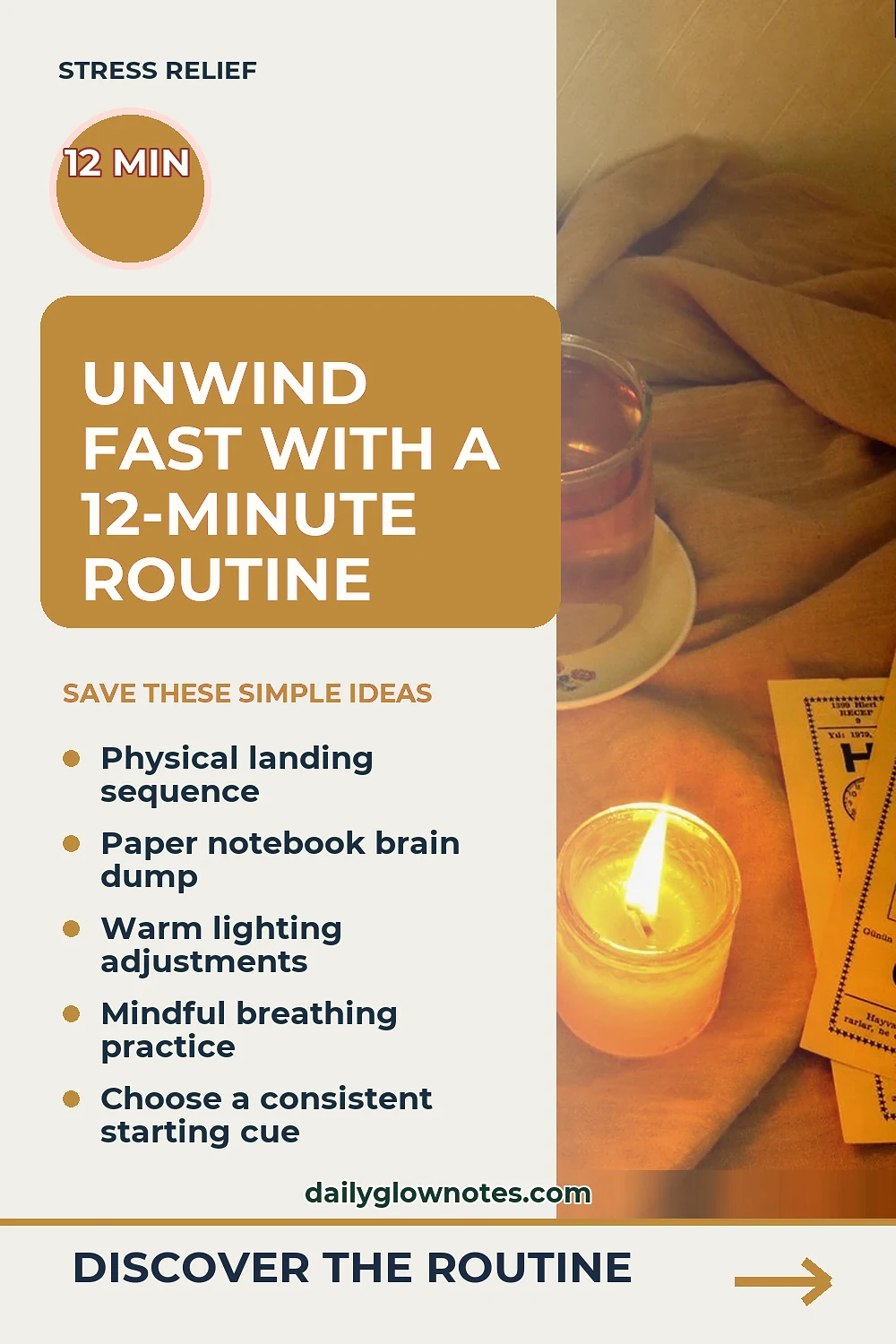
Instead of relying on willpower to stop thinking about work, a structured transition relies on simple physical, mental, and sensory cues. By dedicating just twelve minutes immediately upon ending your work hours, you create a reliable bridge between professional focus and evening rest.
Minute 0 to 3: The Physical Landing Sequence
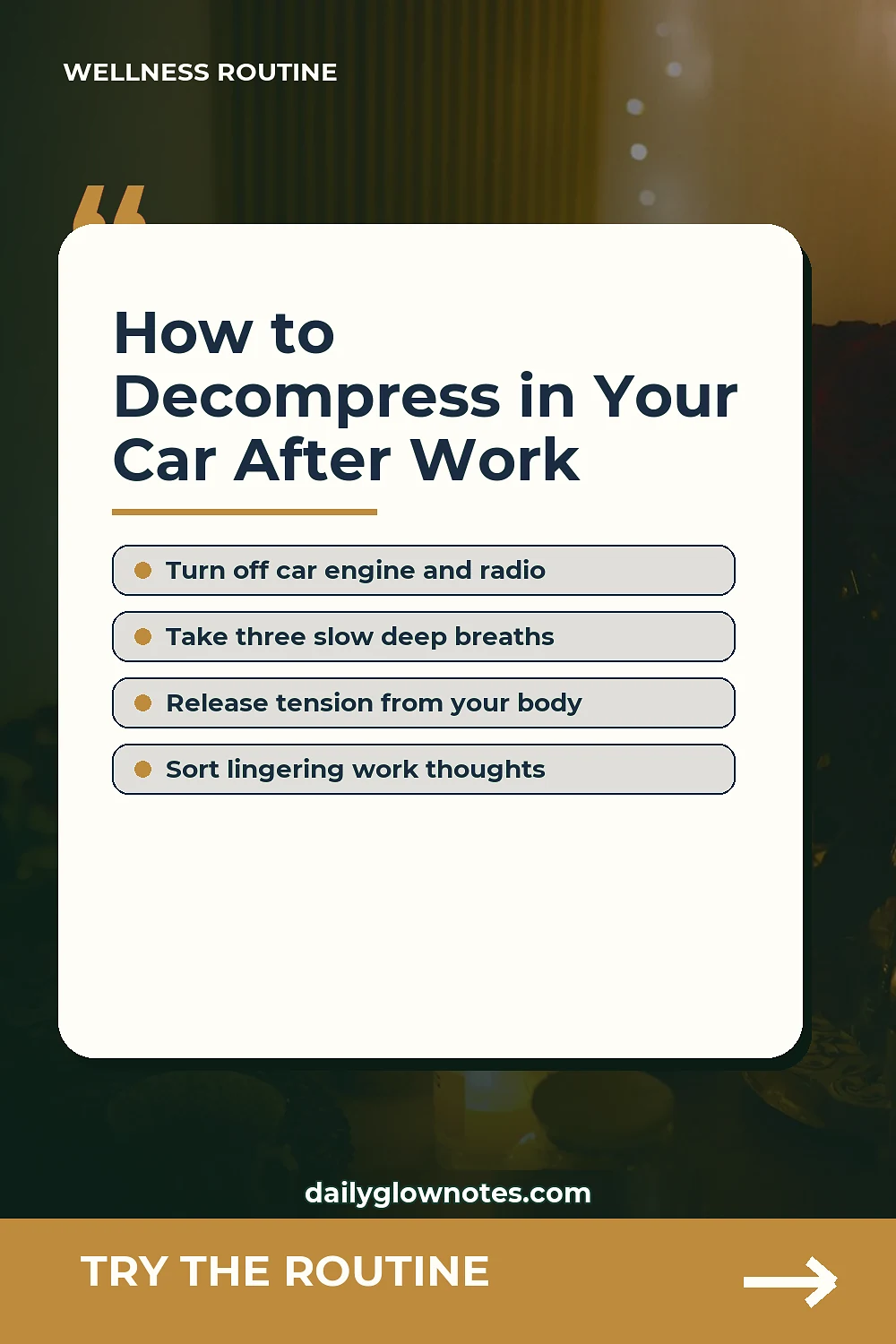
The first few minutes after closing your laptop or walking through the door set the tone for the entire evening. The goal here is physical disengagement from your work identity and removing high-stress triggers from your immediate field of vision.
- Set down your physical belongings: Place your keys in a dedicated entryway tray and drop your work bag in a designated spot away from your main living area. Avoid keeping your briefcase or tote near the dining table or sofa where you plan to relax.
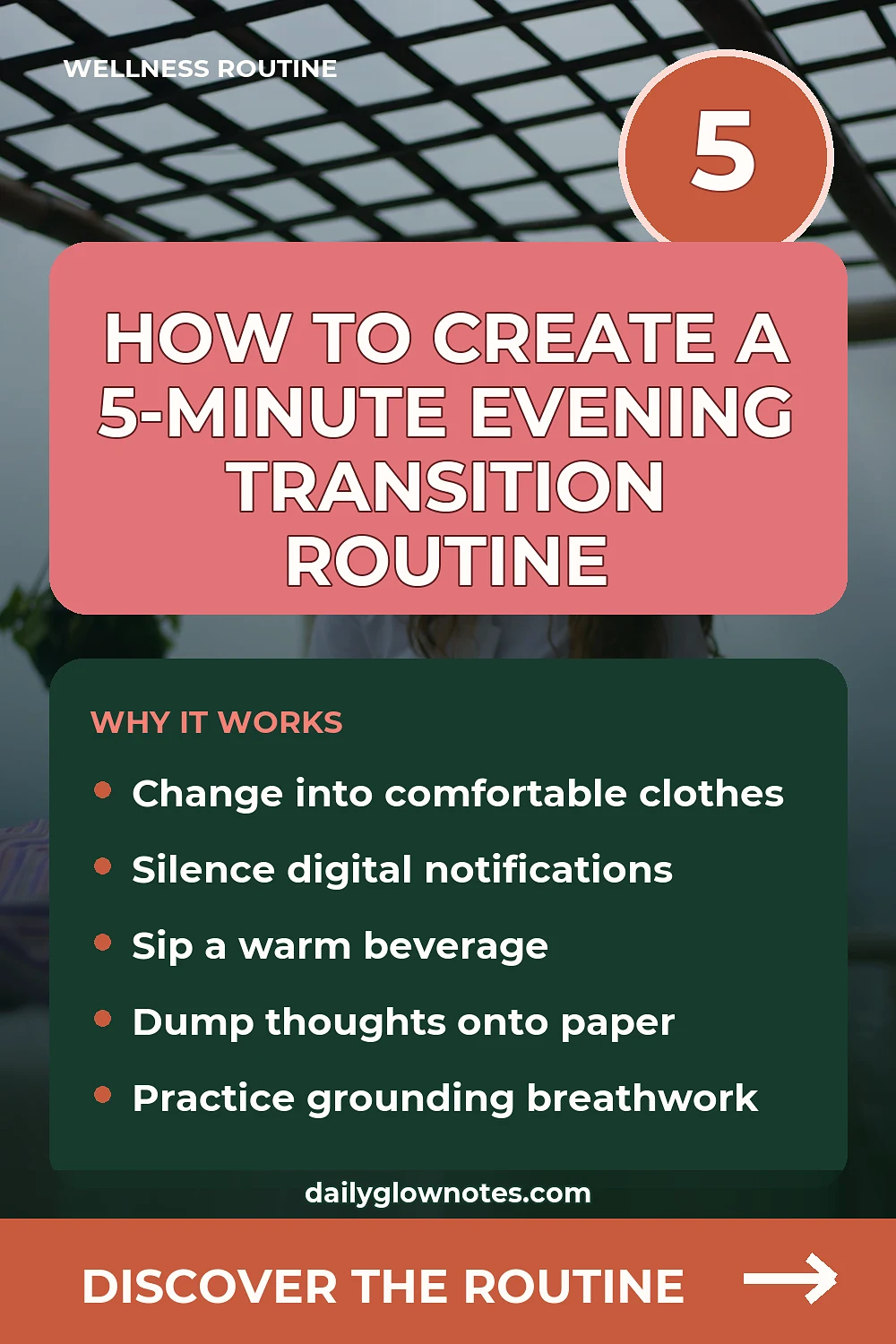
- Change your outer layer: Swapping a work blazer, suit pants, or structured jacket for a soft, folded cardigan and comfortable loungewear creates an immediate sensory shift. This tactile change signals a clear boundary between your professional obligations and personal comfort. Wash your face or rinse your hands with cool water to further reset your senses.
- Step away from primary screens: Leave your phone in another room or keep it face-down to prevent instant access to work notifications during this brief transition phase.
Minute 3 to 7: Clearing Mental Clutter with a Brain Dump
Mental carryover usually happens because your brain is trying to hold onto unfinished business. When you leave tasks open in your mind, your cognitive load remains high throughout the night. To prevent work thoughts from circulating all evening, perform a brief brain dump using a paper notebook rather than a digital device.
Open a notebook and quickly write down any lingering tasks, urgent follow-ups for tomorrow, or loose ends that are occupying space in your mind. Group these into two basic categories: immediate priority for tomorrow morning, and low-priority tasks to review later in the week. Closing the notebook physically symbolizes wrapping up your responsibilities for the night. Once written down, your brain no longer needs to work in the background to remember them. For those interested in exploring non-digital rest options, you can check out A Shopping Free Relaxation Toolkit Using Household Items for Busy Evenings for additional simple strategies.
Minute 7 to 10: Sensory Re-anchoring and Environmental Shifts
Shift your sensory environment from a high-alert work mode to a calm, grounded state. Lighting, temperature, and warm beverages are particularly effective tools for shifting your physiological state away from stress response.
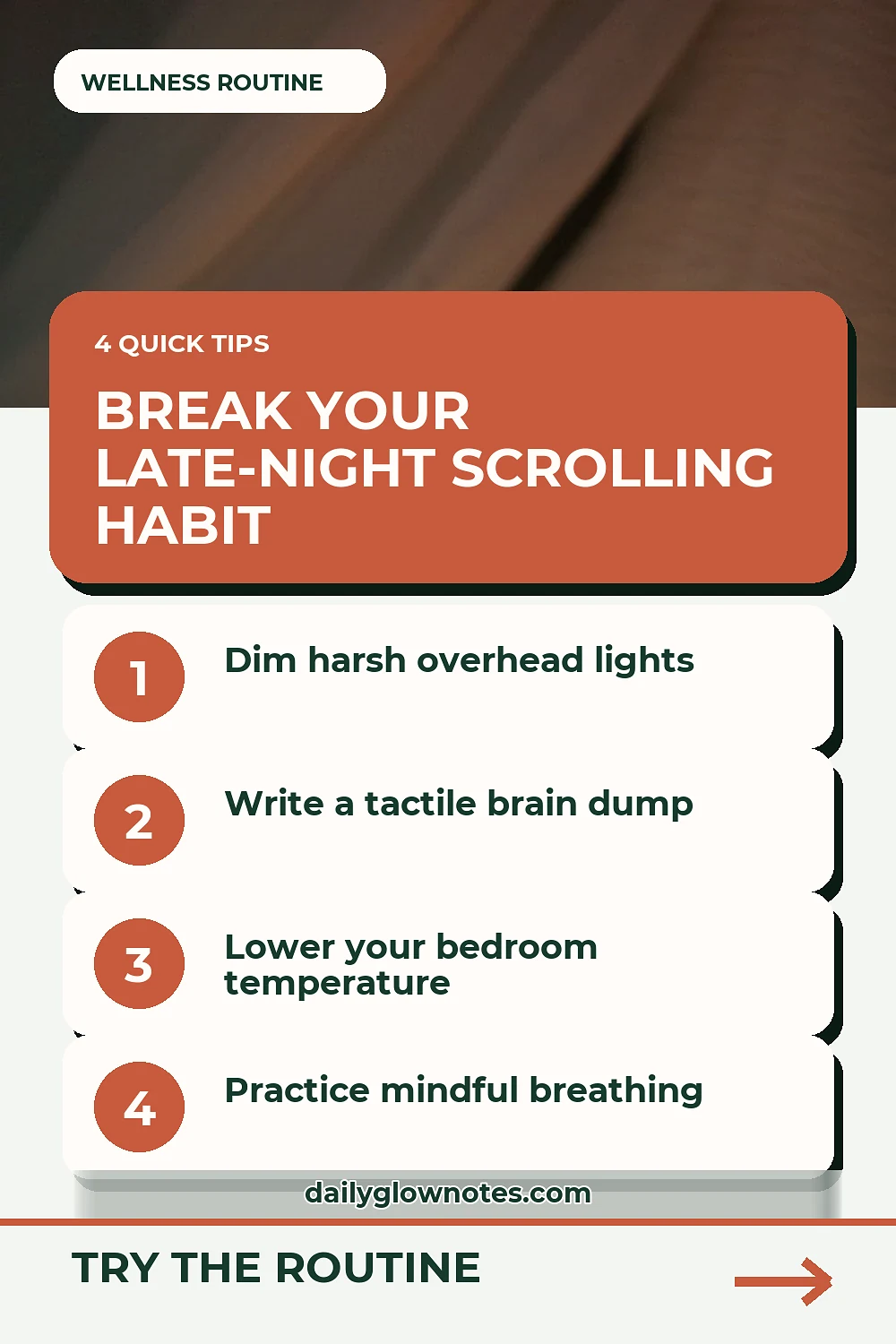
Turn off bright, cool-toned overhead lights and switch on a warm, soft lamp or warm accent lights. Harsh overhead illumination keeps your brain alert and simulates midday sun, whereas soft, low-angle light signals to your pineal gland that it is time to wind down. During this time, pour yourself a warm cup of herbal tea, such as chamomile, peppermint, or lemon balm. Holding a warm mug engages your sense of touch and forces you to slow down, encouraging deeper diaphragmatic breathing and reducing physical tension across your shoulders and jaw.