
Waking up to find snapped strands on your pillow or watching delicate ends break off while brushing can be frustrating. Fragile hair often feels unpredictable, but strand breakage is usually the cumulative result of daily friction, heat exposure, and compromised internal nutrition. Establishing a structured routine focused on breakage prevention helps protect the physical integrity of your hair while supporting healthier growth from the inside out.
Rather than relying on quick fixes or temporary surface smoothers, true hair strength requires a balanced strategy. By reducing mechanical stress and nourishing the hair structure as it forms, you can preserve your length and improve overall density over time. This step-by-step plan provides clear, actionable habits to safeguard your strands every day.
Step 1: Audit Your Daily Handling and Mechanical Stress
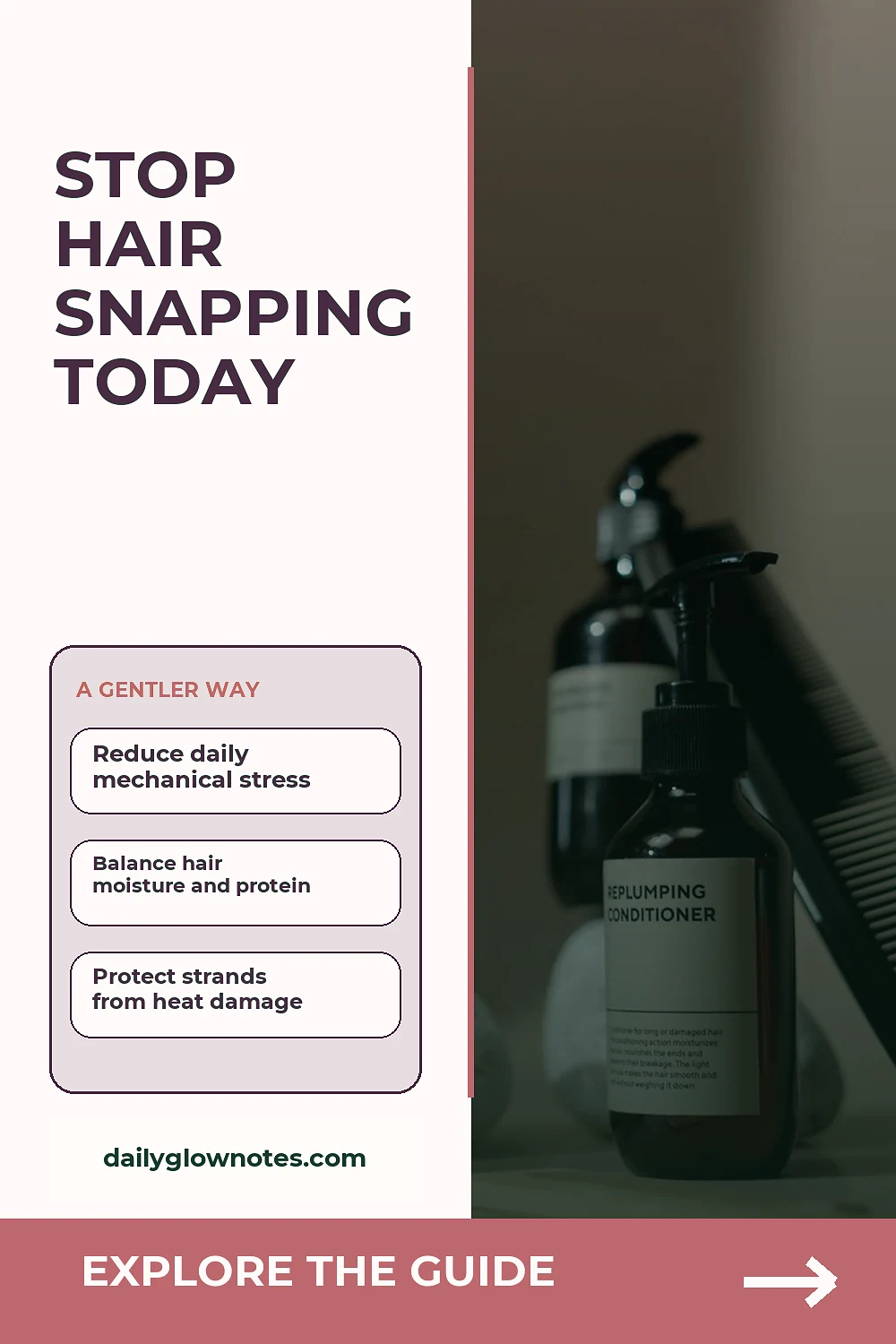
The physical ways you manipulate your hair daily play a massive role in whether strands remain intact or snap under pressure. Fine, thinning, or compromised hair is especially vulnerable when wet, as the hair shaft expands and loses structural resistance.
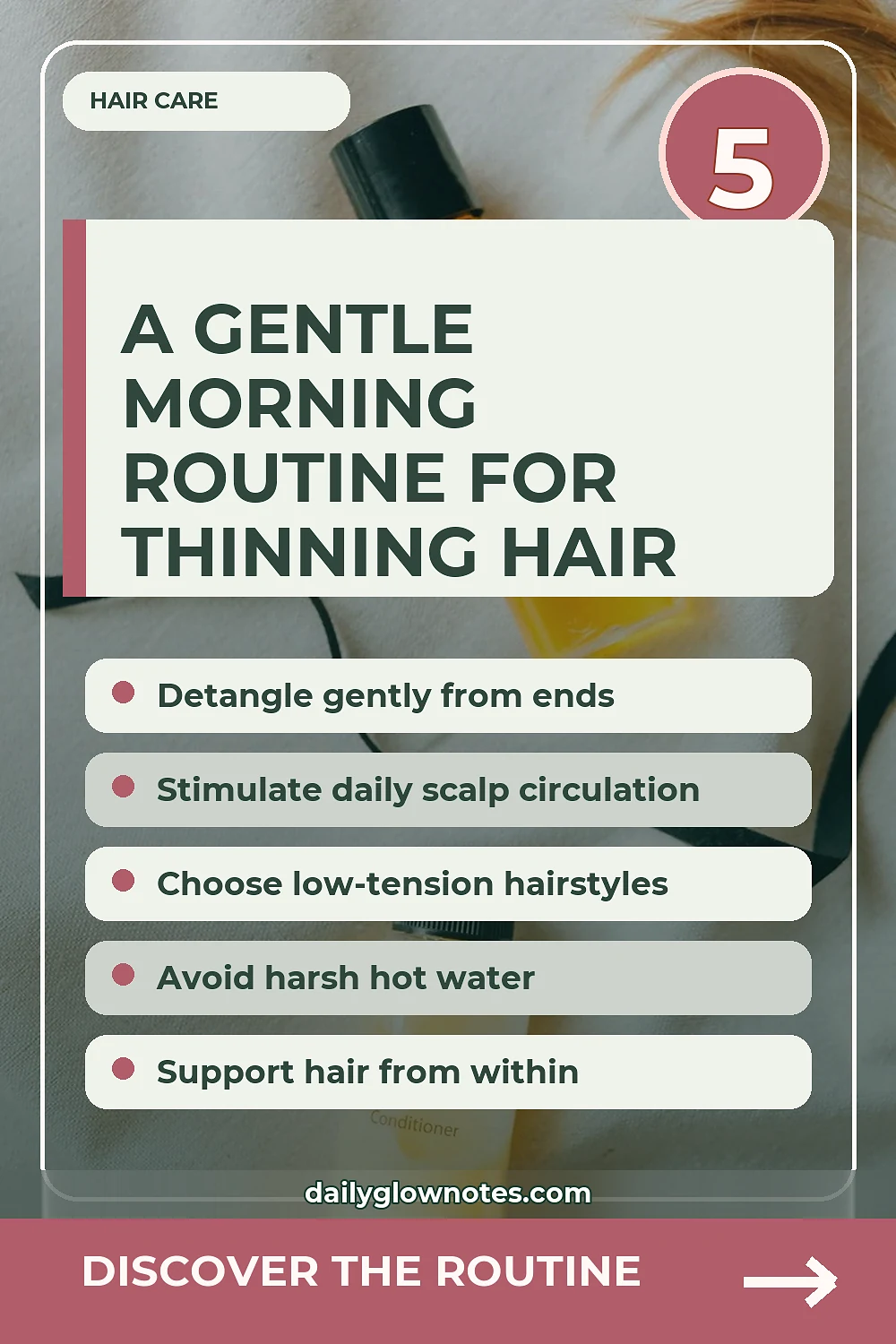
- Switch to gentle detangling methods: Always work from the ends upward using a wide-tooth comb or a flexible detangling brush. Never force a comb through knots near the roots.
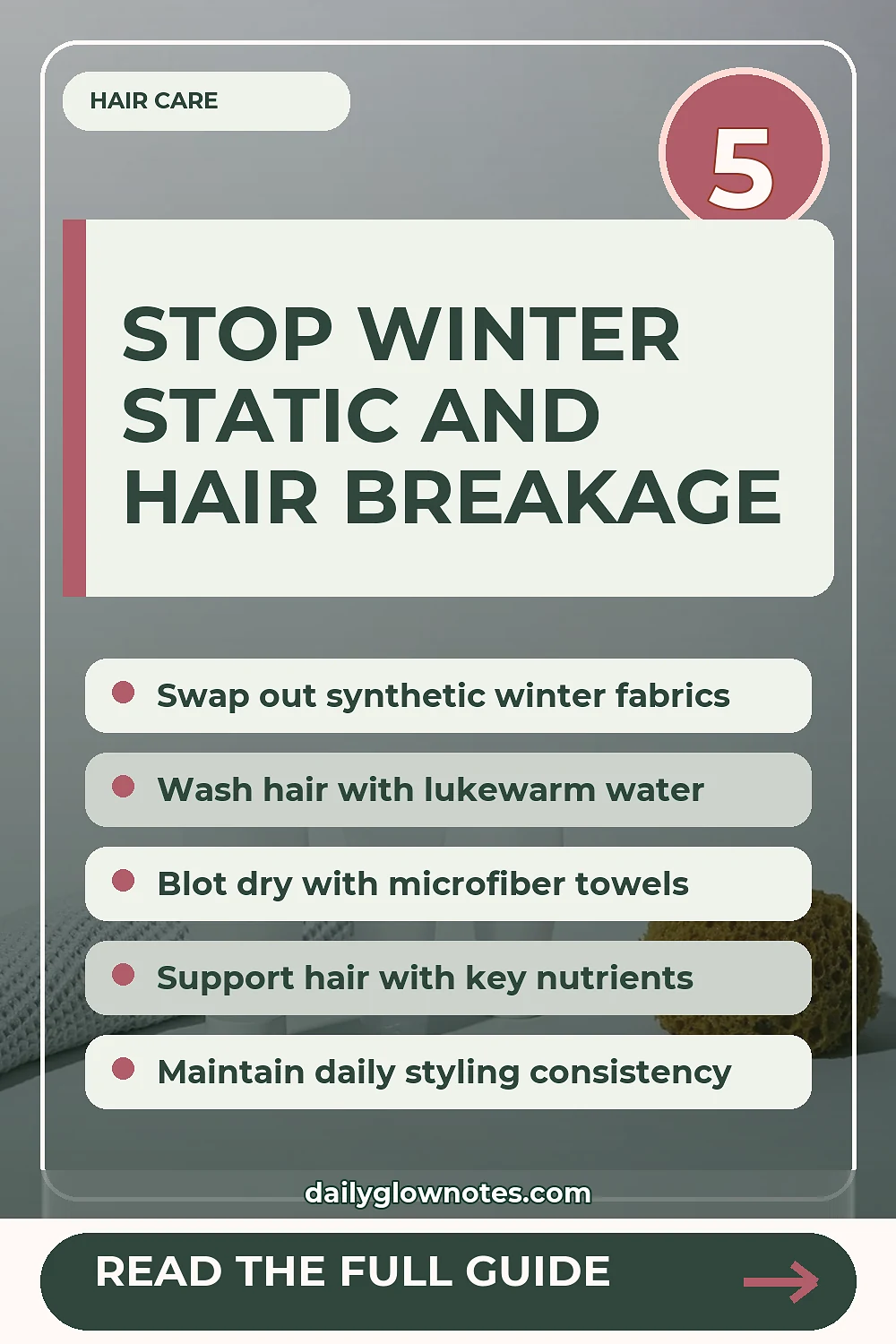
- Rethink wet hair care: Swap heavy terrycloth towels for soft microfiber wraps or plain cotton to absorb moisture without roughing up the hair cuticle.
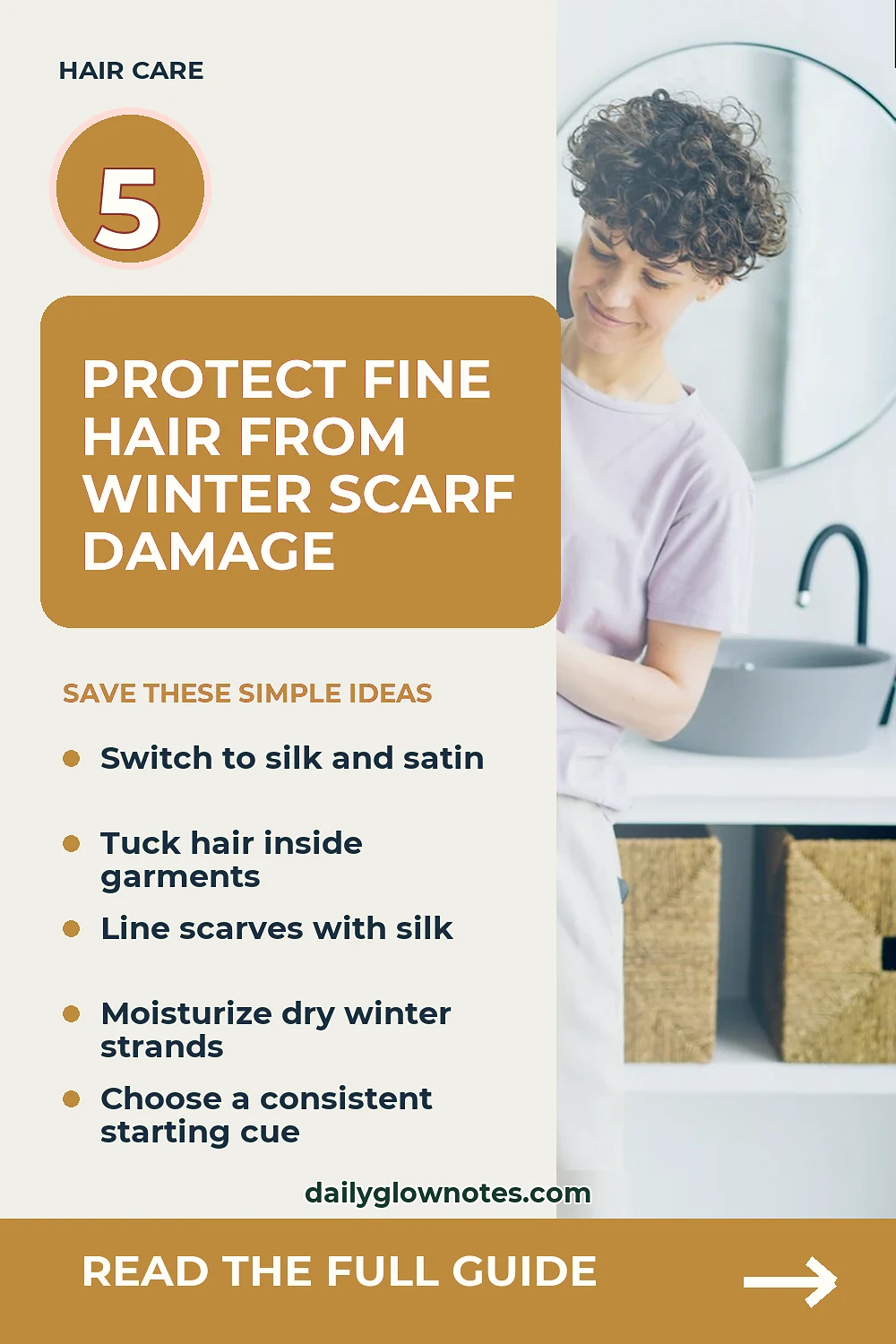
- Upgrade your styling accessories: Traditional elastic bands create severe tension points that shear fragile hair. Replace them with silk or satin scrunchies and claw clips.
Identifying hidden sources of friction is often the fastest way to halt sudden structural damage. If you suspect your everyday environment or styling choices are secretly wearing down your hair, conducting a systematic evaluation like Hidden Culprits: A Breakage Audit for Women Over 40 can help pinpoint specific trouble spots.
Step 2: Adjust Moisture and Protein Balance in Your Wash Routine
Hair requires a precise balance of flexibility and strength. Moisture gives hair elasticity, allowing it to stretch slightly without snapping, while protein provides the structural scaffolding that keeps the shaft firm. Overusing harsh cleansers strips natural oils, leaving strands brittle and prone to snapping.
Wash your hair with lukewarm water rather than hot temperatures, which can swell the cuticle and strip essential lipids. Concentrate shampoo strictly on the scalp to remove buildup, allowing the suds to gently rinse down the lengths without aggressive scrubbing. Apply a deeply hydrating conditioner from mid-lengths to ends every time you wash, and incorporate a targeted strength mask once every two weeks to reinforce weak areas.
Step 3: Protect Strands From Environmental and Thermal Wear
Heat styling tools and environmental factors, such as dry indoor air or strong UV exposure, dry out the inner core of the hair strand. Once the internal moisture reservoir vanishes, the hair becomes stiff and easily breaks under minimal tension.
Always apply a lightweight, heat-protective leave-in product before blow-drying or using hot tools. Keep heat settings on lower ranges, and aim to let your hair air-dry partially before applying mild styling heat. Additionally, sleeping on a silk or satin pillowcase reduces overnight friction, allowing your hair to glide smoothly as you turn, preserving your style and preventing morning snaps.