
Perimenopause Self Care: A Practical Step-by-Step Plan becomes easier to understand when the main ideas are organized into practical, realistic steps. This guide explains the core considerations and shows how to apply them thoughtfully in everyday life.
Navigating the shifts of midlife often feels like trying to read a map written in a language you never agreed to learn. One night you are sleeping comfortably, and the next you are tossing off the blankets at 3:00 AM wondering why your internal thermostat has decided to run wild. Perimenopause self care is not about adding more complex chores to an already overflowing schedule; it is about creating a realistic, gentle framework that honors what your body is experiencing right now. Building a practical daily routine helps anchor your nervous system, supports temperature comfort, and makes room for rest when your energy feels unpredictable.
Assessing Your Daily Energy Pacing
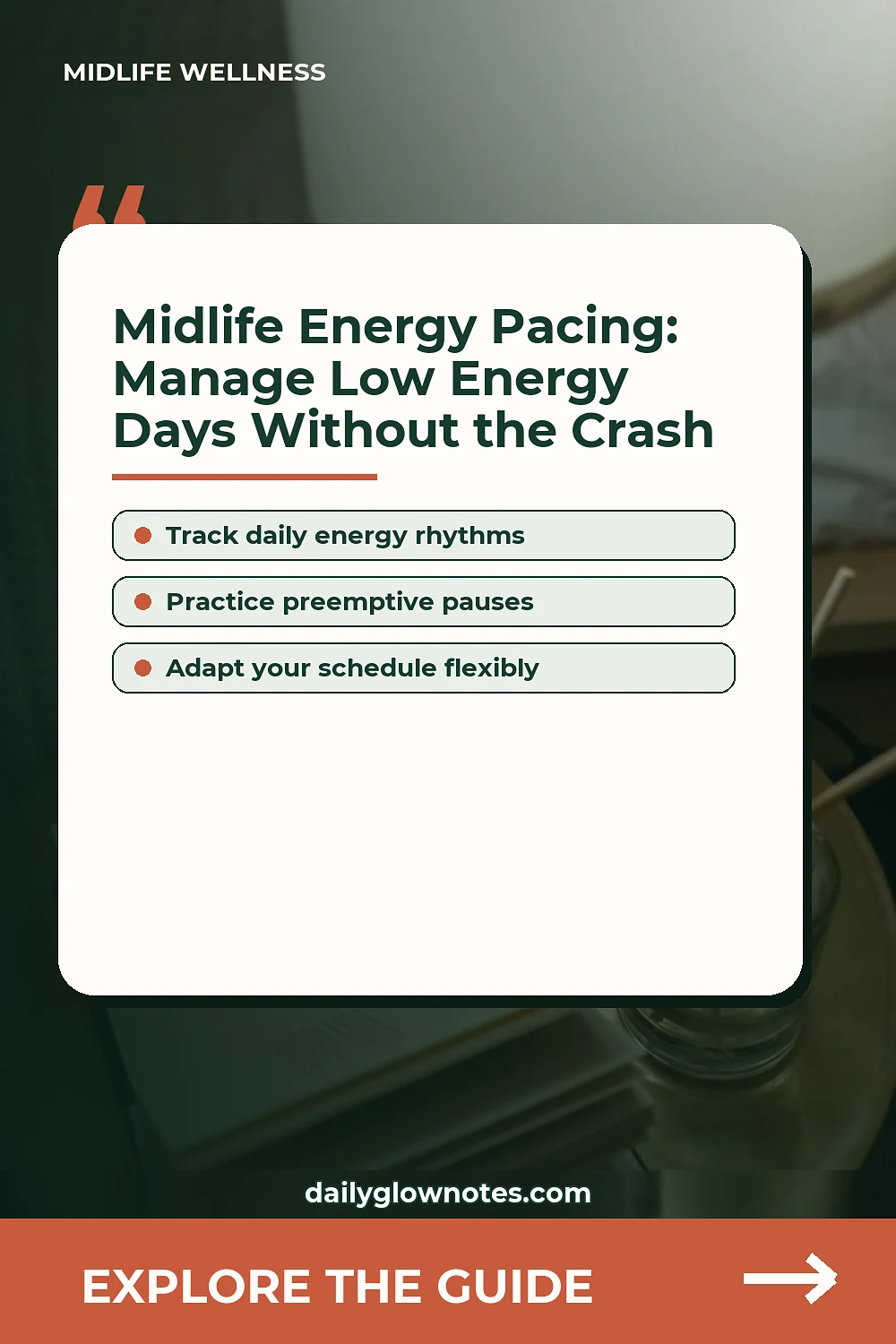
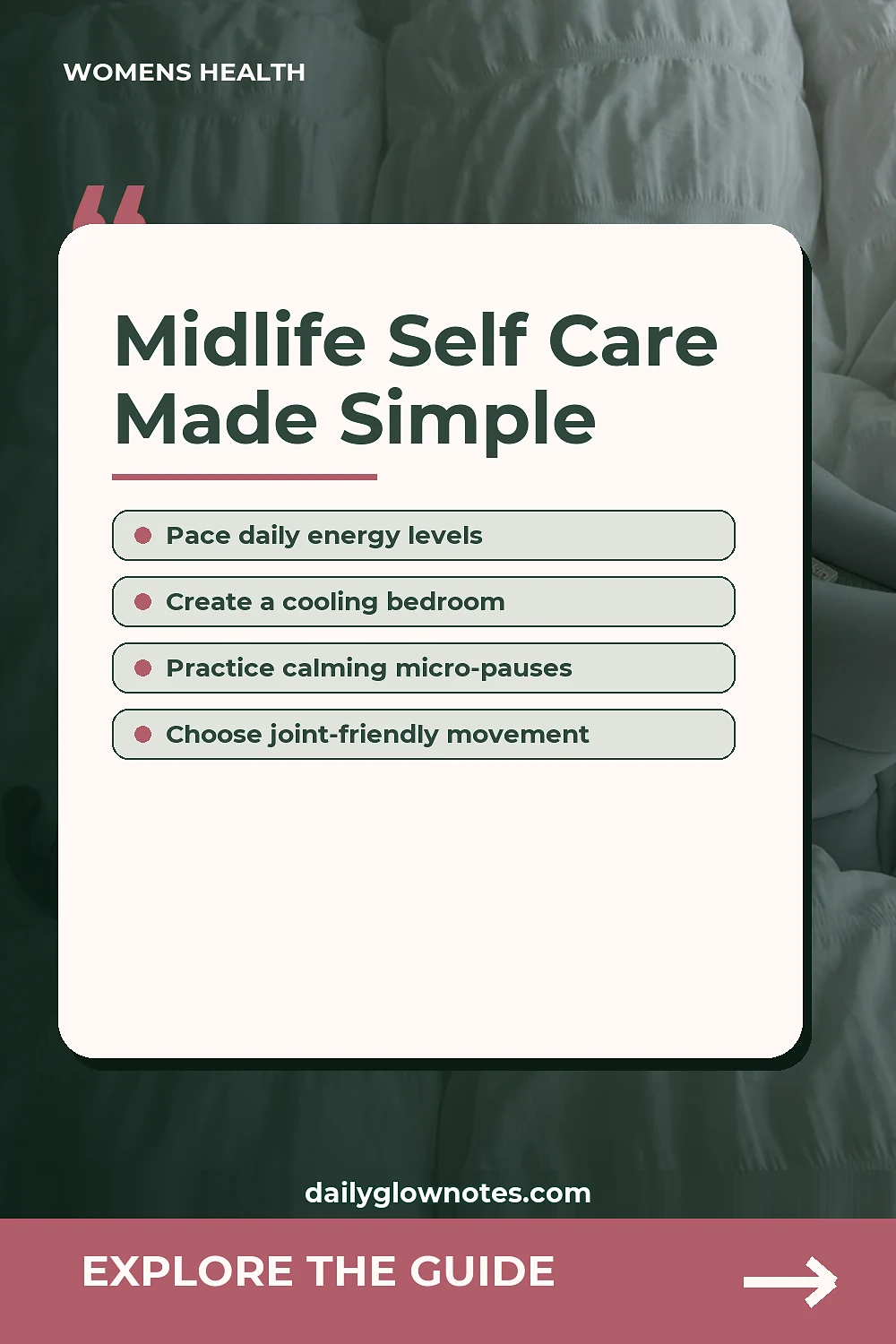
The first step in any sustainable perimenopause self care plan is learning to read your fluctuating energy reserves without judgment. For decades, you likely pushed through fatigue, relying on sheer willpower or an extra cup of coffee to get through demanding afternoons. In midlife, that approach frequently leads to sudden crashes. Instead, try dividing your day into distinct energy blocks. Notice when your natural focus peaks—often in the morning hours—and reserve those windows for tasks that require deep concentration. When the afternoon dip arrives, trade high-intensity chores for lighter administrative tasks or a brief pause to reset. You might also find inspiration in a low-pressure guide to tracking your wellbeing in midlife, which offers gentle ways to observe your body's daily signals without turning the process into another rigid tracking chore. Pacing yourself prevents the cycle of overexertion followed by total exhaustion, keeping your nervous system balanced.
Designing a Temperature-Smart Sleep Environment
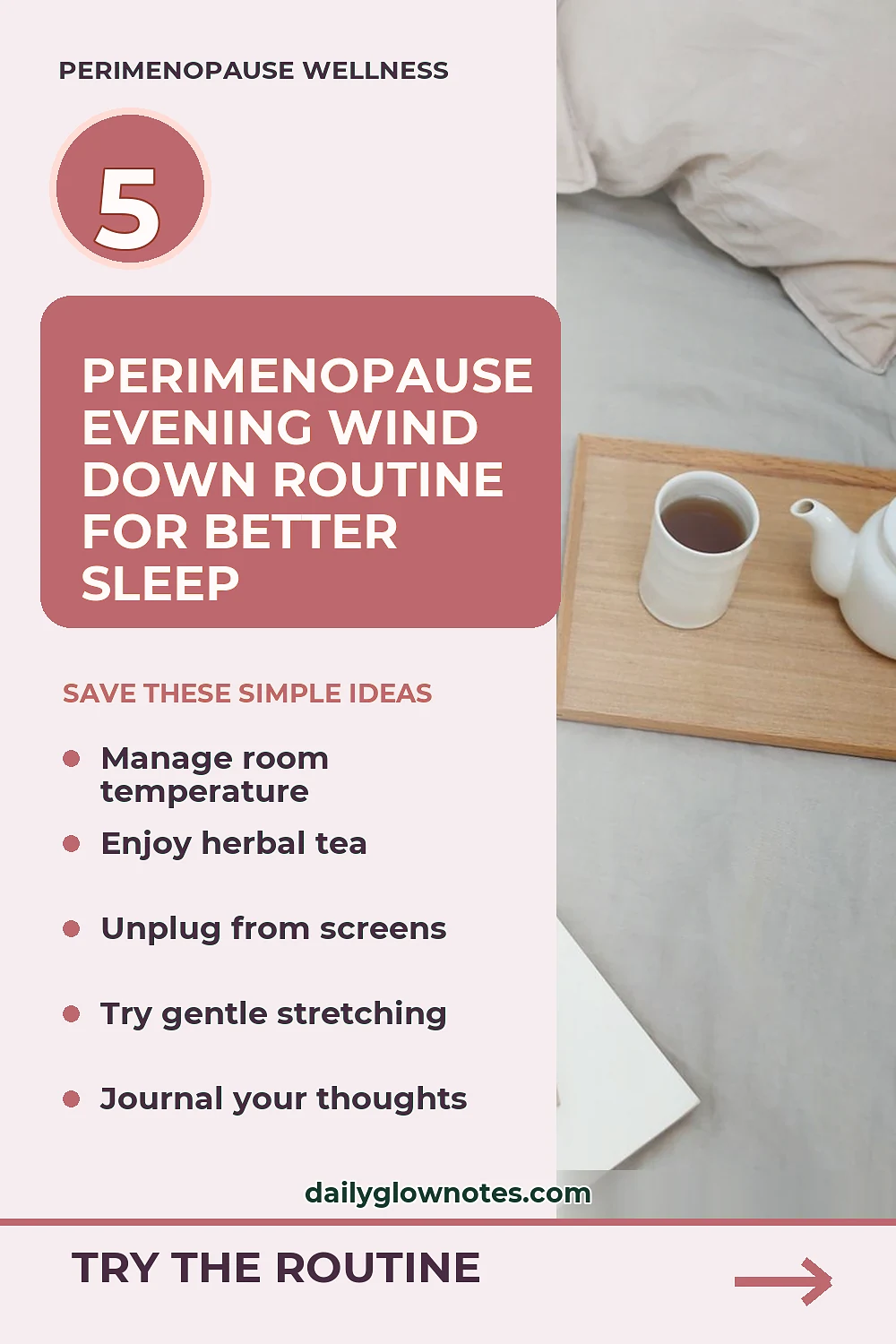
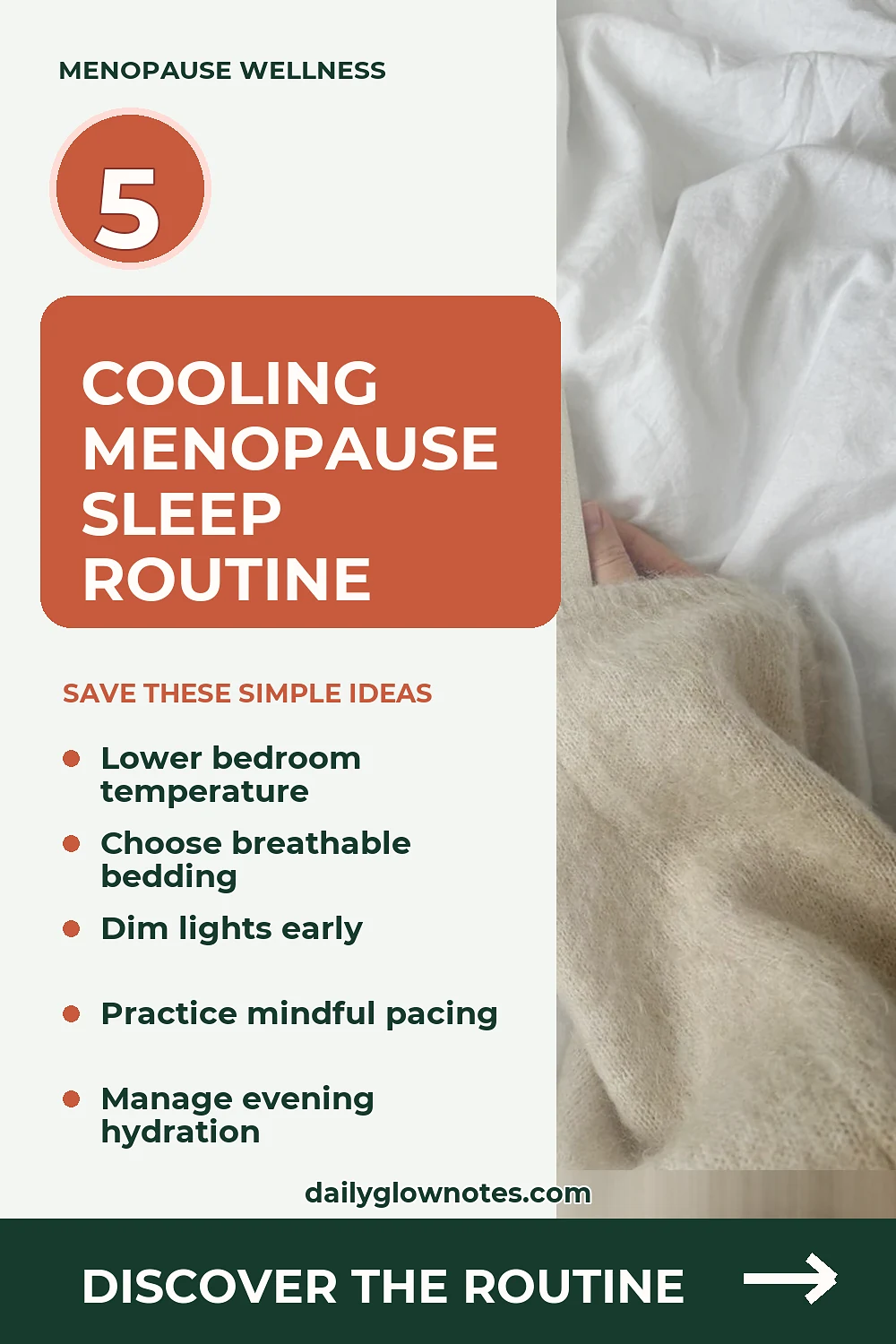
Sleep disruption is one of the most common hurdles during this transition, often triggered by sudden nighttime temperature shifts. Addressing this requires a deliberate redesign of your bedroom environment and evening rituals. Start by swapping heavy synthetic bedding for breathable, moisture-wicking natural fibers like organic cotton, linen, or bamboo. Keep a glass of ice water on your bedside table and consider placing a cooling pad beneath your pillowcase. Your evening wind-down routine plays an equally vital role. About an hour before bed, step away from bright screens, dim overhead lighting, and lower the thermostat in your room slightly. Engaging in quiet reading, deep breathing exercises, or gentle stretching signals to your brain that the day is winding down. Some women also explore supportive daily wellness supplements as part of their routine to help maintain overall balance during midlife changes, ensuring their bodies feel supported from the inside out.
Cultivating Calm Through Micro-Pauses
Stress can significantly amplify physical sensations like hot flashes and tension, making intentional relaxation a necessity rather than a luxury. However, carving out an hour for meditation is rarely realistic when you are managing a busy career, family responsibilities, and changing energy levels. Instead, build micro-pauses into your existing schedule. A micro-pause is a thirty-second to two-minute reset where you drop your shoulders, unclench your jaw, and take five slow, deep breaths. You can practice these pauses while your coffee brews, while waiting at a red light, or right before transitioning from work mode to household duties. These tiny moments of deliberate stillness help prevent stress hormones from accumulating in your body throughout the day, smoothing out the physical ripples of perimenopause.