
Closing the laptop at the end of the day rarely means your mind stops working. For many working women, the physical workday ends in an office or at a home desk, but the mental load continues long into the evening. You might find yourself physically sitting on the sofa while mentally drafting tomorrow morning email responses or running through unresolved project lists. This lingering professional tension prevents true rest, leaving you drained before the next day even begins. Establishing a structured after work decompression routine for mental clarity helps bridge the gap between career demands and personal sanctuary.
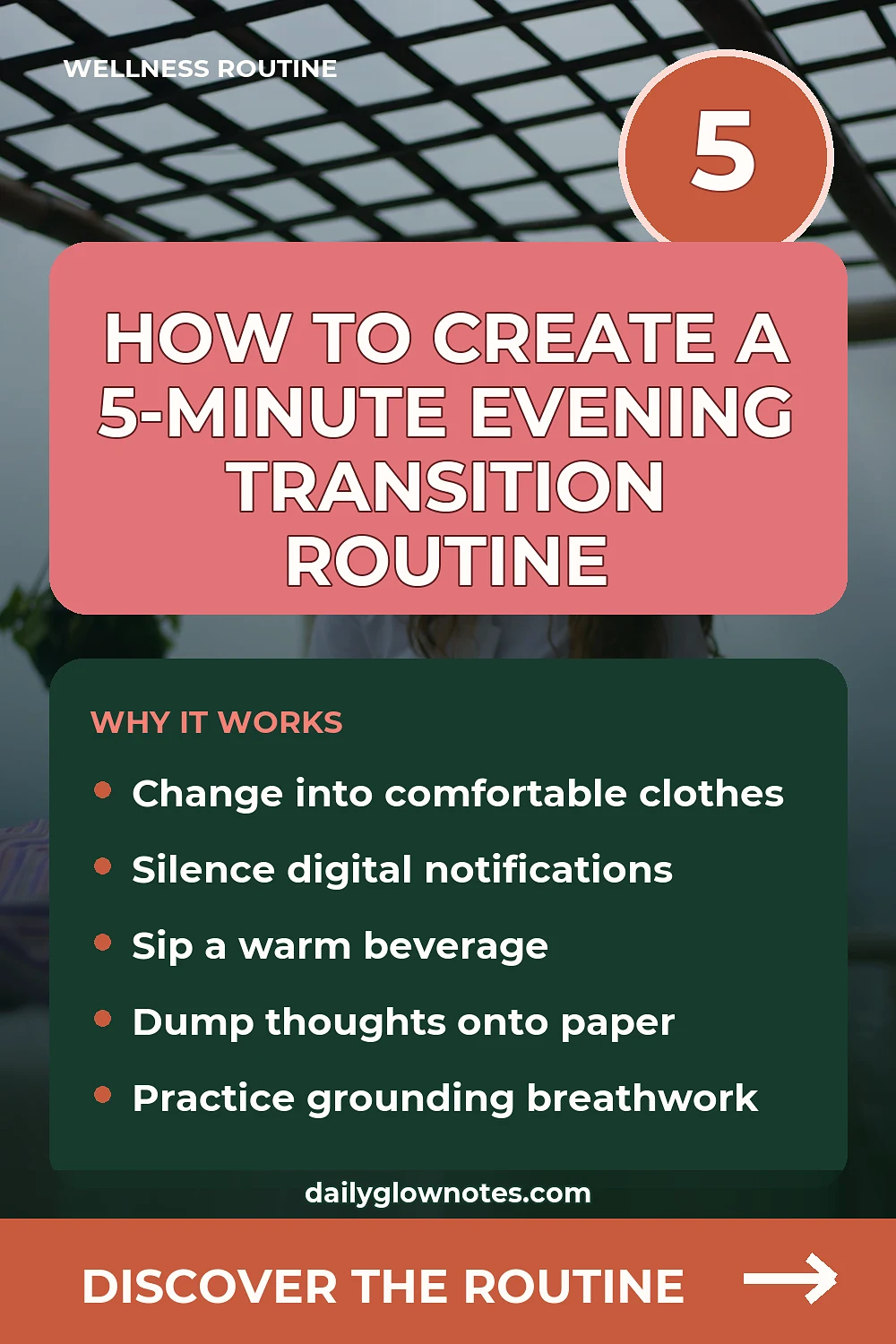
Without a deliberate boundary, the nervous system remains in a low-grade state of readiness. Creating a predictable ritual signals to your brain that the professional shift is officially over. By focusing on sensory cues, intentional movement, and quiet reflection, you can gently step out of productivity mode and into a peaceful evening state.
Signal the Shift with a Sensory Reset
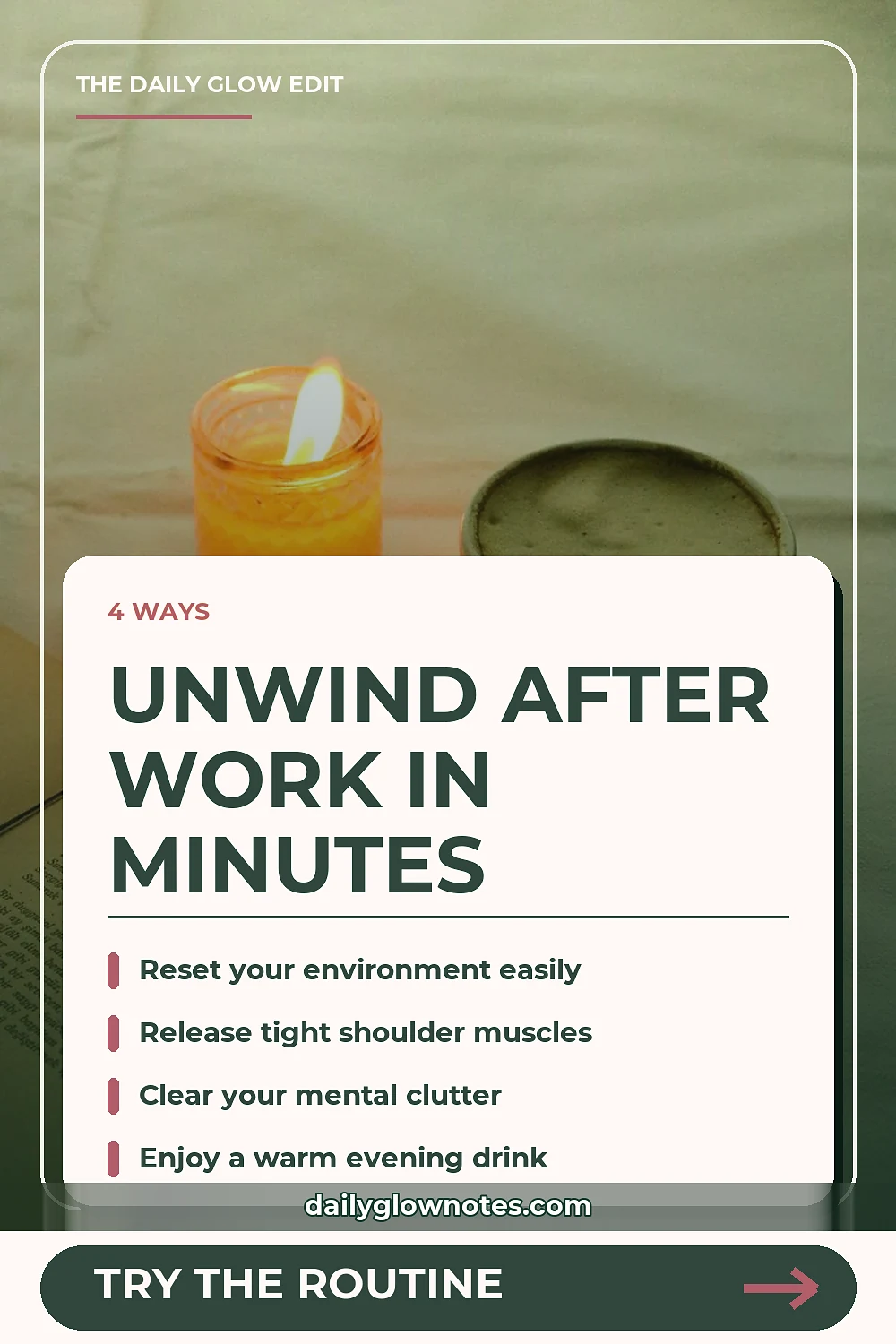
The first few minutes of your transition require shifting away from the visual and auditory cues of your workday. If your workspace is still visible from where you relax, closing a door, sliding out a desk screen, or draping a soft throw blanket over your computer setup instantly alters your environment. Sight is a powerful trigger for mental focus, so hiding the tools of your labor helps reduce subconscious stress.
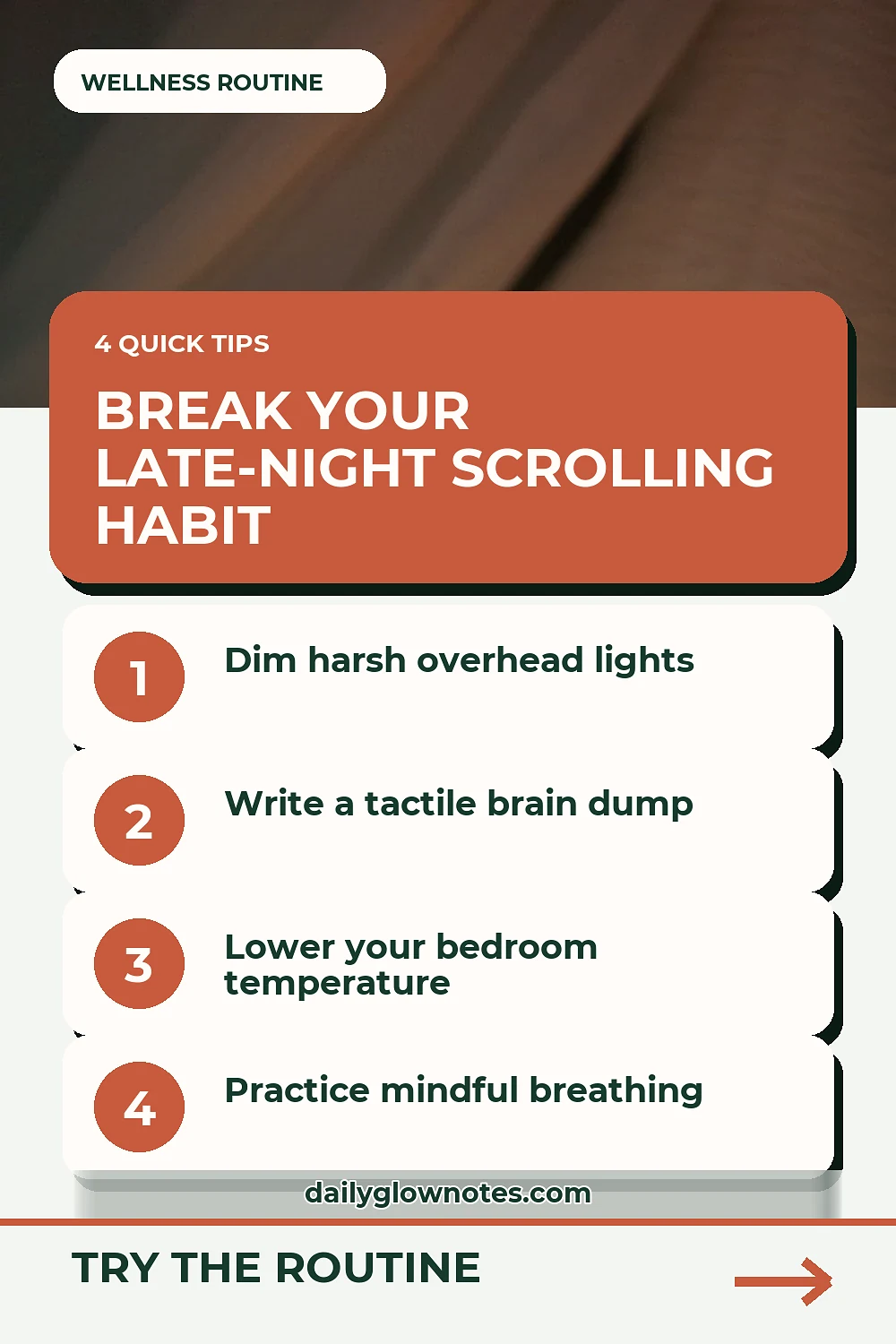
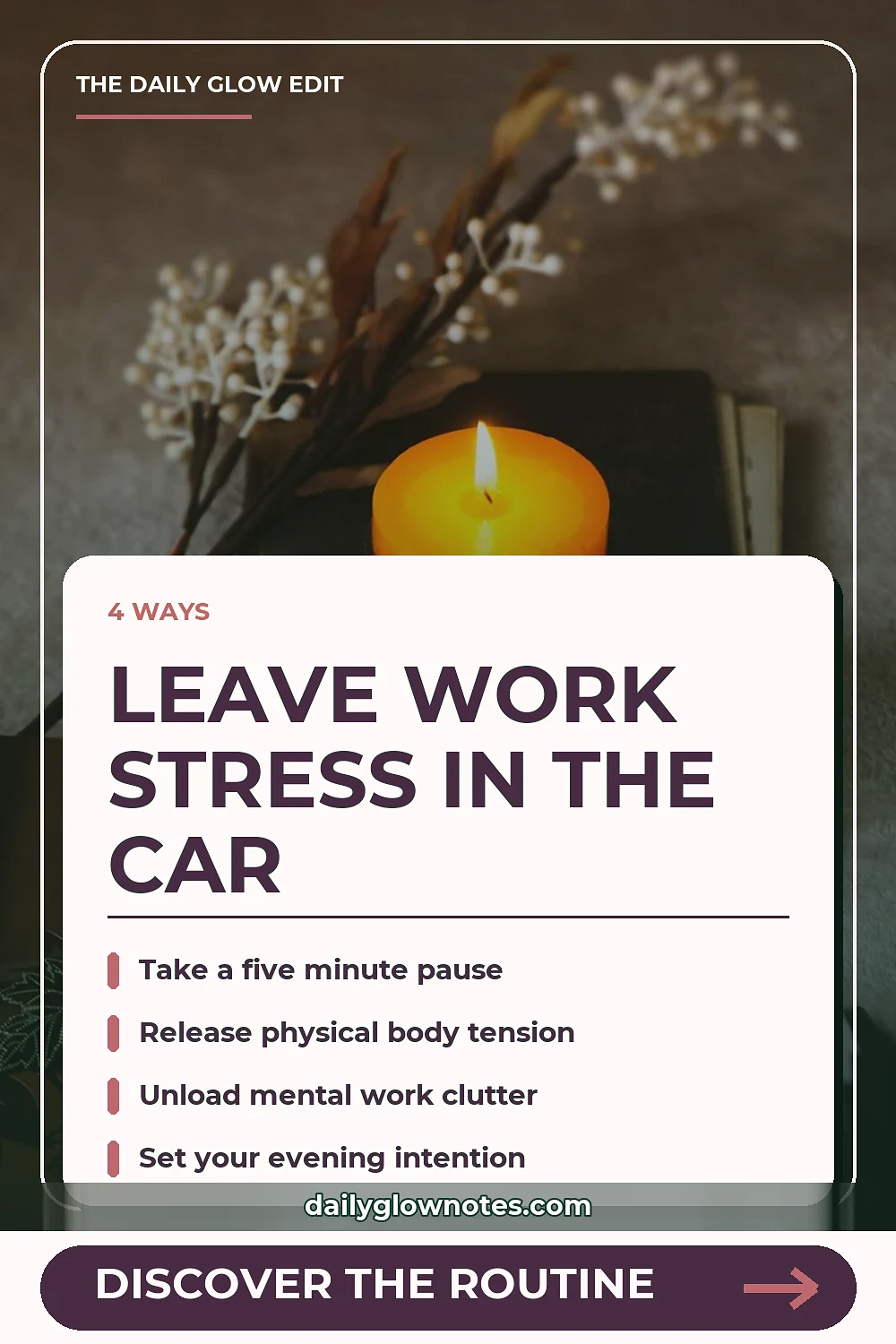
Next, engage a different set of senses. Dimming overhead lights and switching to warm, low-level lamps changes the mood of your living space immediately. Lighting a candle with a grounding scent like cedarwood, lavender, or bergamot introduces a sensory marker that belongs exclusively to your personal time. These small adjustments tell your nervous system that the demands of the day have ceased and safety has taken over.
Release Physical Tension Through Intentional Movement
Working adults often hold stress in predictable areas, including the jaw, shoulders, and lower back. After hours of sitting or maintaining posture in front of a screen, your body requires physical release before it can truly relax. Taking three to five minutes for gentle, unhurried movement helps discharge accumulated adrenaline and muscle tightness.
You do not need an intense workout or a complicated stretching regimen. Simple neck rolls, gentle spinal twists while seated on your armchair, and slow forward folds can work wonders. Focus entirely on the physical sensations of stretching rather than reviewing your to-do list. As you exhale deeply, imagine releasing the physical weight of your professional responsibilities with each breath.